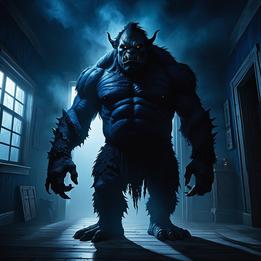
Ogre
A monstrous, often giant-like figure from folklore representing primal fears, untamed instincts, and the shadow self.
Ogre Dream Meaning
A monstrous, often giant-like figure from folklore representing primal fears, untamed instincts, and the shadow self.
Interpretive Themes
Cultural Lenses
Jungian Perspective
View Context →Represents the Shadow archetype—unconscious, repressed aspects of personality that must be integrated for wholeness. Historically linked to alchemical nigredo; modernly signifies personal growth through confronting darkness.
Freudian Perspective
View Context →Symbolizes repressed id impulses, particularly aggressive or sexual drives seeking expression. Historically viewed as primal urges; modernly represents unconscious conflicts manifesting as monstrous figures.
Gestalt Perspective
View Context →A projected part of the self representing disowned qualities or unmet needs. Historically seen as fragmented self; modernly encourages owning all aspects of personality for integration.
Cognitive Perspective
View Context →Represents cognitive schemas of threat, danger, or exaggerated fears. Historically linked to survival thinking; modernly symbolizes maladaptive thought patterns requiring restructuring.
Evolutionary Perspective
View Context →Embodies ancestral fears of predators or hostile human groups. Historically a survival mechanism; modernly represents evolved threat-detection systems misfiring in safe environments.
European Perspective
View Context →In folklore, ogres are man-eating giants representing wilderness threats and moral corruption. Historically feared as real dangers; modernly appear in fairy tales as obstacles to overcome.
East Asian Perspective
View Context →Similar to oni in Japanese folklore—demonic beings representing evil, punishment, or karmic retribution. Historically temple guardians; modernly symbolize personal demons in media.
Middle Eastern Perspective
View Context →Related to jinn or ifrit—supernatural beings representing chaos, temptation, or untamed nature. Historically desert spirits; modernly symbolize uncontrollable forces.
African Perspective
View Context →In some traditions, ogre-like figures represent ancestral warnings or nature spirits testing moral character. Historically oral tradition figures; modernly symbolize societal fears.
Modern Western Perspective
View Context →Often reimagined as sympathetic or comedic figures (e.g., Shrek), representing otherness or misunderstood power. Historically monsters; modernly explore themes of acceptance.
Global/Universal Perspective
View Context →Cross-cultural monster archetype representing humanity's deepest fears—the unknown, violence, and loss of control. Historically universal bogeyman; modernly symbolizes shared psychological threats.
Latin American Perspective
View Context →Similar to cucuy or other folklore monsters used to discipline children, representing societal fears and moral boundaries. Historically cautionary tales; modernly symbolize cultural anxieties.
Want a deeper analysis?
Get a personalized interpretation of your entire dream including this symbol.
Interpret My DreamCommon Appearances & Contexts
| Context | Emotion | Interpretation |
|---|---|---|
| Context Being chased | Emotion Terror | Interpretation Avoiding inner darkness. |
| Context Fighting ogre | Emotion Anger | Interpretation Confronting repressed issues. |
| Context Talking to ogre | Emotion Curiosity | Interpretation Exploring shadow aspects. |
| Context Ogre protecting | Emotion Surprise | Interpretation Shadow as ally. |
| Context Transforming into ogre | Emotion Shame | Interpretation Fear of monstrousness. |
| Context Hiding from ogre | Emotion Anxiety | Interpretation Suppressing true self. |
| Context Ogre in home | Emotion Violation | Interpretation Inner turmoil intrudes. |
| Context Multiple ogres | Emotion Overwhelm | Interpretation Multiple fears surface. |
| Context Defeating ogre | Emotion Triumph | Interpretation Overcoming inner demons. |
| Context Ogre crying | Emotion Pity | Interpretation Shadow needs compassion. |
| Context Ogre as guide | Emotion Confusion | Interpretation Darkness holds wisdom. |
| Context Ogre eating | Emotion Disgust | Interpretation Consuming negative emotions. |
Interpret Your Full Dream
Beyond this symbol, every dream carries a unique story. Share your dream for a personalized AI-powered interpretation.