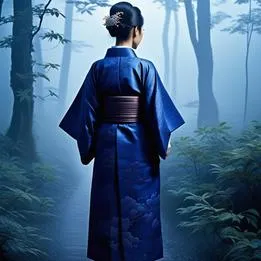
Kimono Dream Meaning
A kimono represents cultural identity, elegance, and tradition, often associated with Japanese heritage and ceremonial practices.
Common Appearances & Contexts
| Context | Emotion | Interpretation |
|---|---|---|
| Wearing a kimono at a cultural festival | Joy | A sign of pride in one's cultural roots and a desire for connection to community. |
| Seeing a kimono in a museum | Nostalgia | Reflects a longing for tradition and the past. |
| Struggling to wear a kimono correctly | Anxiety | Represents feelings of inadequacy or struggles with cultural expectations. |
| Giving a kimono as a gift | Love | Symbolizes sharing and honoring shared traditions with loved ones. |
| Admiring a beautiful kimono in a shop | Aesthetic appreciation | Highlights a desire for beauty and artistic elegance in life. |
| Attending a tea ceremony in a kimono | Peace | Conveys a yearning for tranquility and mindful living. |
| Dressing up in a kimono for a formal event | Pride | Represents confidence in one's heritage and identity. |
| Witnessing a malfunction in kimono attire | Embarrassment | Indicates fears of social judgment or pressure. |
| Transforming a modern outfit into a kimono | Optimism | Suggests a blending of tradition and modernity in self-expression. |
| Dreaming of a colorful kimono | Excitement | Symbolizes hopes and aspirations for vibrant experiences. |
| Receiving a kimono from an elder | Respect | Reflects acknowledgment of wisdom and generational knowledge. |
| Photographing kimonos on display | Observation | Represents interest in culture and artistic details. |
| Wearing a vintage kimono | Imagination | Indicates a connection to history and storytelling. |
| Conflicting colors in a kimono | Conflict | Represents inner turmoil between tradition and modern expectations. |
| Seeing people in kimonos at a cultural exchange | Curiosity | Emphasizes exploration of different cultures and perspectives. |
Interpretive Themes
Cultural Heritage
highKimonos are deeply embedded in Japanese customs and are worn during significant events.
Personal Identity
highWearing a kimono can express pride in one's heritage and personal history.
Transformation and Change
mediumKimonos are often worn during ceremonies that mark significant life transitions.
Celebration and Ritual
mediumWorn during weddings, festivals, and other formal occasions.
Artistic Expression
mediumThe intricate patterns and fabrics of kimonos showcase Japanese artistry.
Cultural Lenses
East Asian Perspective
View Context →Historically worn by all classes, kimonos signify social status and occasion. Used in various ceremonies such as weddings and tea ceremonies. [Japanese] The style and fabric used vary significantly based on regional traditions.
East Asian Perspective
View Context →Similar styles exist in various Asian cultures, often representing cultural symbols. They are used during significant cultural events oriented around spirituality or tradition. [Asian Cultures] Often exchanged as gifts during important occasions.
European Perspective
View Context →Though not a kimono, concepts of formal attire flag significant social status. Worn during festivals and celebrations. [Celtic] Similar motifs and patterns express cultural identities.
European Perspective
View Context →Kimonos have been adopted as fashion statements in Western cultures. Worn for casual but stylish occasions, often as artful attire. [Western] Current fashion trends have incorporated kimono designs into everyday wear.
Modern Western Perspective
View Context →A symbol of eclectic fashion indicating global influences. Often worn in informal settings or as part of costuming. Considered chic in both casual and formal scenarios.
Interpret Your Full Dream
Beyond this symbol, every dream carries a unique story. Share your dream for a personalized AI-powered interpretation.