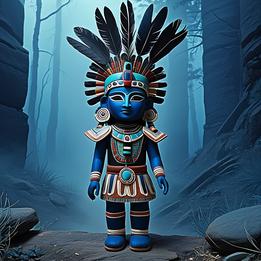
Kachina Doll
A Hopi spiritual representation of ancestral spirits, deities, and natural forces, used to teach cultural values and connect the physical and spiritual worlds.
Kachina Doll Dream Meaning
A Hopi spiritual representation of ancestral spirits, deities, and natural forces, used to teach cultural values and connect the physical and spiritual worlds.
Interpretive Themes
Ancestral Connection
highRepresents guidance from past generations.
Spiritual Guidance
highMessengers between worlds.
Cultural Transmission
mediumEducational tool for community.
Nature Reverence
mediumEmbodies elements like rain or animals.
Identity Exploration
lowMay reflect heritage curiosity.
Mythological Resonance
Katsinam
HopiThe benevolent spirit beings who live in the San Francisco Peaks, visit Hopi villages to bring rain, teach lessons, and bless the community, with dolls serving as their representations.
Ancestor Veneration Figures
GlobalParallel to Japanese 'ihai' tablets, West African 'nkisi' figures, or Roman 'lares' statues, all serving as focal points for connecting with ancestral guidance and spiritual presence.
Cultural Lenses
North American Perspective
View Context →Hopi and Pueblo sacred objects representing katsinam spirits, used in rituals and education. Historically central to ceremonies; modernly, symbols of Indigenous resilience and cultural appropriation debates.
Jungian Perspective
View Context →Archetype of the wise ancestor or spiritual guide from the collective unconscious. Represents integration of ancestral wisdom and connection to transpersonal forces for individuation.
Freudian Perspective
View Context →Symbol of parental authority or superego, possibly reflecting childhood teachings or repressed cultural influences. May indicate unresolved conflicts with tradition or authority figures.
Gestalt Perspective
View Context →Projection of inner teachers or aspects of self needing expression. The doll represents parts of the dreamer's personality or unmet needs for guidance and belonging.
Cognitive Perspective
View Context →Mental schema for cultural learning or memory processing. May reflect cognitive assimilation of heritage or problem-solving through symbolic representation of guidance.
Evolutionary Perspective
View Context →Adaptive symbol for social learning and transmission of cultural knowledge across generations. Enhances group cohesion and survival through shared spiritual narratives.
Global/Universal Perspective
View Context →Cross-cultural symbol of spiritual intermediaries, like dolls or figurines in many traditions. Represents universal human desire to connect with unseen forces and ancestors.
Modern Western Perspective
View Context →Often viewed as art or souvenir, sometimes sparking cultural appreciation vs. appropriation discussions. May symbolize search for authenticity or connection in a secular world.
Latin American Perspective
View Context →Similar to santos or milagros—folk religious objects blending Indigenous and Catholic traditions. Represents syncretic spirituality and community protection.
African Perspective
View Context →Analogous to ritual dolls like nkisi or akyeame, used for spiritual communication and healing. Embodies ancestral veneration and mediation between worlds.
East Asian Perspective
View Context →Resembles household deities or ancestor tablets in Shinto or Confucian traditions. Symbolizes respect for lineage and harmonious relationship with spiritual guardians.
European Perspective
View Context →Parallels to folk dolls like poppets or corn dollies, used in seasonal rituals. Represents agrarian cycles, protection, and folk wisdom traditions.
Historical Authorities
Want a deeper analysis?
Get a personalized interpretation of your entire dream including this symbol.
Interpret My DreamThe Oracle's Prediction
Combine multiple symbolsReceiving guidance or a teaching from an unexpected source or through ancestral memory.
Timeframe
Immediate (Next 48h)
Intensity
Deep
Common Appearances & Contexts
| Context | Emotion | Interpretation |
|---|---|---|
| Context Receiving a doll | Emotion Joyful | Interpretation Gift of wisdom. |
| Context Breaking a doll | Emotion Guilty | Interpretation Fear of disrespect. |
| Context Doll moving | Emotion Awestruck | Interpretation Spiritual awakening. |
| Context Multiple dolls | Emotion Overwhelmed | Interpretation Many influences present. |
| Context Creating a doll | Emotion Focused | Interpretation Crafting identity. |
| Context Doll speaking | Emotion Startled | Interpretation Inner voice emerging. |
| Context Losing a doll | Emotion Anxious | Interpretation Disconnection from roots. |
| Context Gifting a doll | Emotion Proud | Interpretation Sharing knowledge. |
| Context Doll in water | Emotion Peaceful | Interpretation Emotional cleansing. |
| Context Doll on fire | Emotion Terrified | Interpretation Spiritual crisis. |
| Context Doll in darkness | Emotion Lonely | Interpretation Seeking guidance. |
| Context Doll transforming | Emotion Curious | Interpretation Personal evolution. |
Interpret Your Full Dream
Beyond this symbol, every dream carries a unique story. Share your dream for a personalized AI-powered interpretation.