Incense Dream Meaning
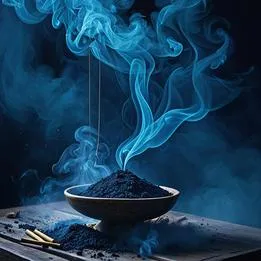
Incense represents spiritual communication, purification, and the transformation of the material into the ethereal through smoke.
Common Appearances & Contexts
| Context | Emotion | Interpretation |
|---|---|---|
| Lighting incense | Hope | Initiating spiritual connection. |
| Smoke swirling | Awe | Witnessing mystical transformation. |
| Overpowering scent | Overwhelm | Spiritual overload or warning. |
| Extinguished incense | Loss | Broken connection or ended ritual. |
| Ancient temple incense | Reverence | Connecting to timeless traditions. |
| Childhood incense memory | Nostalgia | Longing for past security. |
| Healing ritual incense | Peace | Seeking purification or recovery. |
| Forbidden incense use | Guilt | Taboo spiritual exploration. |
| Gifting incense | Love | Offering spiritual blessing. |
| Incense in storm | Anxiety | Faith tested by chaos. |
| Making incense | Creativity | Crafting personal spirituality. |
| Incense without scent | Confusion | Empty ritual or deception. |
Interpretive Themes
Cultural Lenses
Jungian Perspective
View Context →Represents the transcendent function and individuation process. The smoke symbolizes the rising of unconscious contents into consciousness, often during spiritual or psychological transformation rituals.
Freudian Perspective
View Context →Symbolizes sublimated sexual energy (phallic smoke) or repressed desires finding acceptable expression through ritual. The burning represents controlled release of primal drives.
Gestalt Perspective
View Context →Represents the dreamer's need for purification or connection. The incense is an aspect of self - ask what part of you needs to transform or communicate through scent and smoke.
Cognitive Perspective
View Context →A memory cue or sensory input processed during sleep. The brain associates incense with specific rituals, places, or emotional states, activating related neural networks during dreaming.
Evolutionary Perspective
View Context →Taps into ancient smoke-signaling mechanisms. Burning substances for communication and ritual provided survival advantages through group cohesion, territory marking, and spiritual practices that reduced anxiety.
South Asian Perspective
View Context →Essential in Hindu puja and Buddhist meditation. Represents the five elements, with smoke carrying prayers to deities. Specific scents correspond to different gods and purposes in daily and temple rituals.
East Asian Perspective
View Context →Central to Chinese temple rituals and Japanese kōdō ceremony. Represents harmony with nature, ancestor veneration, and mindfulness. The art of incense appreciation cultivates refined sensory awareness.
Middle Eastern Perspective
View Context →Ancient use in Zoroastrian fire temples and Islamic traditions. Frankincense and myrrh symbolize devotion, with smoke purifying spaces and carrying prayers upward in mosque and home rituals.
European Perspective
View Context →Christian liturgical use since antiquity, especially in Catholic and Orthodox traditions. Represents the prayers of saints rising to heaven and Christ's sacrifice. Also used historically for plague protection.
African Perspective
View Context →Used in healing ceremonies, ancestor communication, and rite-of-passage rituals across diverse traditions. Specific local herbs and resins connect communities to land spirits and mediate between worlds.
Latin American Perspective
View Context →Syncretic practices blending Indigenous copal use with Catholic incense traditions. Central to Day of the Dead ceremonies, curanderismo healing, and rituals honoring earth deities and ancestors.
Global/Universal Perspective
View Context →One of humanity's oldest spiritual technologies, found in virtually all religious traditions. Universally represents the transformation of matter to spirit, communication with the divine, and purification across cultures.
Interpret Your Full Dream
Beyond this symbol, every dream carries a unique story. Share your dream for a personalized AI-powered interpretation.