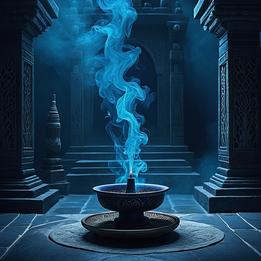
Incense Burner
A ritual vessel for burning aromatic substances, symbolizing spiritual communication, purification, and connection between earthly and divine realms.
Incense Burner Dream Meaning
A ritual vessel for burning aromatic substances, symbolizing spiritual communication, purification, and connection between earthly and divine realms.
Interpretive Themes
Spiritual Communication
highSmoke carries prayers upward symbolically.
Purification & Cleansing
highAromatic smoke purifies spaces and souls.
Memory & Ancestry
mediumRitual practices linking generations through scent.
Transformation
mediumMaterial transformation mirrors spiritual evolution.
Sacred Space Creation
highSmoke marks boundaries between mundane and sacred.
Mythological Resonance
The Oracle of Delphi
GreekPriestesses inhaled sacred fumes from a chasm to enter prophetic trances, bridging mortal and divine realms.
Agni
HinduThe fire god who carries offerings and prayers from earth to heaven through sacrificial smoke.
Cultural Lenses
Jungian Perspective
View Context →Represents the transcendent function—transforming unconscious contents into conscious awareness through symbolic ritual. The smoke symbolizes rising consciousness from material to spiritual understanding.
Freudian Perspective
View Context →Phallic symbol representing sublimated sexual energy redirected into spiritual pursuits. The burning process symbolizes repressed desires transformed into acceptable ritualized behavior.
Gestalt Perspective
View Context →Represents the dreamer's need for purification or connection. The burner's condition (full/empty, clean/dirty) reflects current spiritual state needing integration into conscious awareness.
Cognitive Perspective
View Context →Memory trigger connecting scent to spiritual concepts. The ritual activates schemas related to tradition, mindfulness, or sacred space creation through learned associations.
Evolutionary Perspective
View Context →Ritualized fire use for group bonding and anxiety reduction. Smoke signals evolved into spiritual communication, reducing uncertainty through shared ceremonial practices.
East Asian Perspective
View Context →Central to Buddhist and Taoist rituals for over 2,000 years. Represents harmony between heaven and earth, with specific incense types used for ancestors, deities, or meditation in temple and home altars.
South Asian Perspective
View Context →Essential in Hindu puja ceremonies for over 3,000 years. Agarbatti (incense sticks) in brass or clay burners purify spaces, honor deities, and represent the five elements in Vedic tradition.
Middle Eastern Perspective
View Context →Frankincense and myrrh burners in Zoroastrian, Jewish, and Islamic traditions since antiquity. Used in temples, mosques, and homes for purification, with specific incense mentioned in sacred texts like the Bible and Quran.
European Perspective
View Context →Catholic thuribles swinging during Mass since medieval times. Represents prayers rising to God, with frankincense symbolizing Christ's divinity. Also used in folk magic for protection and cleansing.
African Perspective
View Context →Clay or metal burners in Yoruba, Akan, and other traditions for ancestor veneration and spirit communication. Specific herbs like imphepho used to connect with ancestral realms and cleanse spiritual spaces.
Latin American Perspective
View Context →Copál resin burners in Mesoamerican rituals for millennia, continuing in modern Day of the Dead celebrations. Blends indigenous practices with Catholic incense traditions in syncretic spiritual expressions.
Modern Western Perspective
View Context →Wellness tool for meditation and stress reduction. Often divorced from religious context, used in yoga studios and homes for aromatherapy, representing mindfulness and self-care practices.
Historical Authorities
Want a deeper analysis?
Get a personalized interpretation of your entire dream including this symbol.
Interpret My DreamThe Oracle's Prediction
Combine multiple symbolsA profound spiritual insight or ancestral message will arrive.
Timeframe
Lunation (~29 Days)
Intensity
Deep
Common Appearances & Contexts
| Context | Emotion | Interpretation |
|---|---|---|
| Context Lighting incense in empty temple | Emotion loneliness | Interpretation Seeking connection with absent divine presence. |
| Context Overflowing smoke from burner | Emotion overwhelm | Interpretation Spiritual practices becoming suffocating or excessive. |
| Context Ancient family incense burner | Emotion nostalgia | Interpretation Longing for ancestral wisdom or traditions. |
| Context Broken incense burner | Emotion despair | Interpretation Feeling disconnected from spiritual practices. |
| Context Gifting incense burner | Emotion generosity | Interpretation Sharing spiritual wisdom or initiating others. |
| Context Stealing incense burner | Emotion guilt | Interpretation Appropriating spiritual authority illegitimately. |
| Context Cleaning ornate burner | Emotion devotion | Interpretation Caring for spiritual foundations meticulously. |
| Context Multiple burners synchronized | Emotion harmony | Interpretation Finding spiritual balance through ritual. |
| Context Extinguishing incense abruptly | Emotion anger | Interpretation Rejecting spiritual practices or traditions. |
| Context Choosing incense for burner | Emotion deliberation | Interpretation Consciously selecting spiritual intentions. |
| Context Forgotten burning incense | Emotion neglect | Interpretation Spiritual practices becoming automatic or meaningless. |
| Context Communal incense ceremony | Emotion unity | Interpretation Shared spiritual experience creating bonds. |
Interpret Your Full Dream
Beyond this symbol, every dream carries a unique story. Share your dream for a personalized AI-powered interpretation.