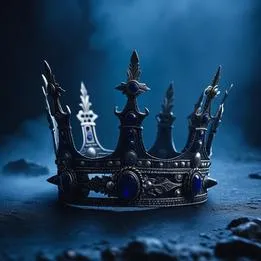
Crown
The Oracle's Essence
A crown symbolizes authority, power, and achievement, often representing an individual's aspirations, leadership, or societal role.
Interpretive Themes
✧ Archetypal Essence
Ruler
Dominant Influence ( 85%)
The crown as regal symbol embodies the Ruler's archetype of sovereignty and governance over one's domain.
The Light
The crown as regal symbol embodies the Ruler's archetype of sovereignty and governance over one's domain.
The Shadow
The crown as regal symbol embodies the Ruler's archetype of sovereignty and governance over one's domain.
Modern Visibility
In contemporary culture, crowns often signify reward for accomplishments, particularly in contexts like competitions and celebrations.
◈ Mythological Resonance
The Sword in the Stone Myth Meaning & Symbolism
Global/Universal traditionThe test where only the true king could pull the sword, with crowning as divine right rather than inheritance, representing earned sovereignty.
The Crown of Ariadne
Greek traditionThe constellation Corona Borealis, placed in heavens by Dionysus to honor his wife, representing how true love elevates rather than diminishes sovereignty.
The SidheMounds Myth Meaning & Symbolism
Celtic traditionEochaid's lost kingship represents the integrated, sovereign Self, a state of psychological wholeness he glimpses in the mound but cannot maintain in the divided world.
Ahura Mazda Myth Meaning & Symbolism
Persian traditionSymbolizes the divine sovereignty of Ahura Mazda and the legitimate authority of those who rule or act in accordance with cosmic truth and justice.
An the Sky God Myth Meaning & Symbolism
Sumerian traditionThe emblem of ultimate, divinely-sanctioned kingship and authority that flows from An to the earthly ruler.
Apolaki Myth Meaning & Symbolism
Filipino traditionThe achieved sovereignty of the integrated Self, earned not through conquest of the other, but through reconciliation and the establishment of balanced, inner rule.
Beriah the World of Creation Myth Meaning & Symbolism
Kabbalistic traditionCorresponds to the sefirah Keter as it manifests in Beriah, the crown of divine will and authority that legitimizes and directs the creative process.
Bahram the Warrior King Myth Meaning & Symbolism
Persian traditionThe symbol of legitimate authority and glory (Farr), which is only truly earned through the integration of one's shadow, not merely inherited.
Deborah the Prophetess Myth Meaning & Symbolism
Hebrew traditionThe implicit authority of Deborah, a crown not of gold but of moral clarity and recognized wisdom, bestowed by the people and the divine.
Ereškigal Queen of the Underworld Myth Meaning & Symbolism
Sumerian traditionThe symbol of legitimate rulership and identity; its removal at the gates signifies the stripping of persona, while its assumption by Nergal at the end marks shared sovereignty.
Habaek the River God Myth Meaning & Symbolism
Korean traditionThe earned symbol of inner sovereignty that results from successfully engaging with the divine challenge, representing integrated authority.
Huascar and Atahualpa Myth Meaning & Symbolism
Incan traditionThe mascapaicha fringe, representing legitimate sovereignty and cosmic order, becomes the ultimate prize in the fraternal war, its sanctity shattered by the conflict.
Iskandar Alexander in Islamic Tradition Myth Meaning & Symbolism
Islamic traditionIskandar’s kingly authority and worldly power, which must ultimately be relinquished in the face of a higher sovereignty.
Jumong Founder of Goguryeo Myth Meaning & Symbolism
Korean traditionThe achieved sovereignty of the integrated Self, the psychological authority earned not by birthright in the old world, but by foundational action in the new.
Kay Khosrow the Mystic King Myth Meaning & Symbolism
Persian traditionThe symbol of earthly power and responsibility that Kay Khosrow metaphorically lays aside, representing the ego's achievements that must be relinquished for higher wisdom.
Khormusta Tengri of the Mongol Siberian Myth Meaning & Symbolism
Siberian traditionThe emblem of Khormusta's sovereignty, representing the achieved integration and authority of the Self over the totality of the personality.
Ku God of War Myth Meaning & Symbolism
Hawaiian traditionThe feather helmet or lei of the aliʻi invoking Ku, symbolizing the sovereignty, authority, and heavy responsibility that comes with the power to command and protect.
Metatron Archangel Myth Meaning & Symbolism
Hebrew traditionDenotes the bestowed sovereignty, the completion of the individuation process, and the responsibility that comes with elevated consciousness.
Metatron in Kabbalah Myth Meaning & Symbolism
Kabbalistic traditionThe crown placed upon Metatron's brow symbolizes the assumption of ultimate spiritual authority and the completion of the individuation process, where the Self is recognized as the sovereign center.
Nigihayahi Star God Myth Meaning & Symbolism
Shinto traditionThe symbol of the sovereignty achieved not through domination, but through the sacred covenant of integration.
Ondal and Princess Pyeonggang Myth Meaning & Symbolism
Korean traditionThe symbol of achieved identity and rightful authority, which is not given by birthright in this myth, but forged through inner marriage and courageous action.
Olodumare Myth Meaning & Symbolism
Yoruba traditionSymbolizes the Ade, the embodiment of bestowed authority and the visible connection to the divine source worn by rulers and deities.
Pachacuti and the Empire Myth Meaning & Symbolism
Incan traditionThe llautu of the Sapa Inca; the assumed sovereignty of the conscious ego over the realm of the personal psyche.
Queen Nzinga Warrior Queen Myth Meaning & Symbolism
African traditionThe visible symbol of sovereignty and achieved identity; in this myth, the crown is not inherited but forged in the fires of confrontation and self-creation.
Sandalphon Twin Angel Myth Meaning & Symbolism
Hebrew traditionThe finished product of spiritual labor (Keter), representing achieved wholeness, sovereignty of the Self, and the honoring of earthly struggle as divine glory.
Sinchi Roca Myth Meaning & Symbolism
Incan traditionThe mascapaycha fringe, representing the sacred burden of sovereignty, the transformation of personal power into institutional, responsible authority.
Sogbo Thunder God Myth Meaning & Symbolism
West African traditionThe implicit symbol of Sogbo’s sovereignty over the sky, representing achieved authority, rightful rule, and the responsibility that comes with mastered power.
Songtsen Gampo Myth Meaning & Symbolism
Tibetan Buddhist traditionThe symbol of Songtsen Gampo's sovereignty, which is transformed from a sign of temporal power to that of a chakravartin's spiritual duty.
Sundiata the Lion King Myth Meaning & Symbolism
West African traditionThe rightful authority claimed not by birthright alone, but earned through the transformative trials of exile, struggle, and the integration of shadow.
Suleiman and the Wind Myth Meaning & Symbolism
Arabian traditionRepresents the archetype of the Ruler, the burden and authority of conscious ego, and the potential for that authority to become either tyrannical or wise and receptive.
Sundiata Keita Epic Myth Meaning & Symbolism
African traditionThe rightful sovereignty Sundiata reclaims and redefines, symbolizing the achieved integration of the personality and the conscious assumption of responsibility for one’s inner and outer kingdom.
The Black Hat Ceremony Myth Meaning & Symbolism
Tibetan Buddhist traditionSymbolizes the mastery and conscious assumption of power, specifically the transformative power that comes from integrating one's darkest aspects, as embodied by the black hat.
The Enchanted Horse Arabian Myth Meaning & Symbolism
Arabian traditionThe earned sovereignty at the tale's end, representing the integrated Self that rules the inner kingdom with wisdom, having mastered both the magical and the mundane.
The Dragon King Zahhak Myth Meaning & Symbolism
Persian traditionThe symbol of legitimate and illegitimate sovereignty, representing the authority that is either earned through justice or stolen through a pact with darkness.
The Kabbalah Tree of Life Myth Meaning & Symbolism
Jewish traditionThe Sefirah of Keter, representing transcendence, pure potential, and the origin point of the Self.
The Messiah Stories Myth Meaning & Symbolism
Jewish traditionThe rightful sovereignty of the Davidic line and the achieved authority of the integrated Self, ruling with justice and compassion.
The Snow Lion of Tibet Myth Meaning & Symbolism
Tibetan Buddhist traditionSymbolizes the sovereign rule of wisdom over the kingdom of one's own psyche, with the Snow Lion as the guardian of this royal dignity.
The Tree of Life Kabbalistic
Kabbalistic traditionCorresponds directly to Keter, the highest sphere, symbolizing pure potential, the divine will, and the origin point of all creation.
Wangu wa Makeri Kikuyu Legend Myth Meaning & Symbolism
African traditionThe symbol of sovereign authority and rulership that Wangu wa Makeri embodied, representing both legitimate power and the isolation it can bring.
Xango in Candomble Myth Meaning & Symbolism
African Diaspora traditionThe symbol of Xango's sovereignty, kingship, and the burden of ultimate responsibility that comes with wielded power.
Akan Golden Stool
West African traditionThe traditional Western symbol of sovereign authority, paralleled by the stool as the ultimate embodiment of royal and spiritual power.
Atziluth the World of Emanation
Kabbalistic traditionSymbolizing Keter, the first Sefirah of Atziluth, representing the divine will and the ineffable point where the infinite touches the finite.
Ekur Sacred Mountain House
Sumerian traditionThe symbol of enacted sovereignty, the earthly reflection of the authority that has its true source in the divine assembly upon the mountain.
Enlil
Sumerian traditionThe visible emblem of sanctioned rulership, earned through trial and conveying the right and burden to command destiny.
Fenghuang the Chinese Phoenix
Taoist traditionAn emblem of sovereign virtue and legitimate authority, reflecting the Fenghuang’s role as the validator of benevolent, heaven-blessed rule.
Feridun and the Three Sons
Persian traditionThe visible emblem of the invisible farr (divine glory); its bestowal upon Iraj signifies the transmission of legitimate spiritual authority, misunderstood by those who see only material power.
Inanna and Enki
Sumerian traditionThe symbol of legitimized authority and lordship, one of the paramount me that Inanna claims for her city and herself.
Inanna's Descent to the Underworld
Sumerian traditionThe shugurra crown of sovereignty, representing the empowered persona and social identity that must be relinquished to enter a transformative space.
Inti Raymi Sun Festival
Incan traditionThe mascapaicha, symbol of the Sapa Inca’s divine authority and his sacred responsibility as the living link between humanity and the solar father.
Ishtar's Descent
Babylonian traditionThe symbol of conscious identity, achieved status, and worldly power, which must often be relinquished to gain deeper wisdom.
Kether the Crown
Kabbalistic traditionThe emblem of supreme authority and spiritual sovereignty, representing the connection between the human and the divine, the attainment of the highest state of consciousness.
Marduk Forty Nine Names
Babylonian traditionThe visible emblem of hard-won sovereignty and the mandate to rule, bestowed by the collective upon the one who confronts the collective terror.
Marduk the City God
Babylonian traditionThe symbol of legitimized sovereignty and the mandate to rule, conferred by the inner assembly of psychic forces.
Oduduwa West African
West African traditionThe beaded symbol of authority given to Oduduwa's descendants, representing delegated sovereignty, sacred duty, and the radiant power of kingship.
Puma the Sacred Animal
Incan traditionThe manifest symbol of rightful rule and sovereignty, paralleling the puma's natural kingship over the earthly domain and its association with the Sapa Inca.
Ruth and Naomi
Hebrew traditionThe royal destiny that emerges from a story of poverty and devotion, hidden within the ordinary harvest of barley.
Shango of the Akan
West African traditionThe burden and authority of sovereignty, representing both legitimate rule and the isolation and accountability of ultimate power.
Shango Becomes Thunder
Yoruba traditionThe symbol of sovereign authority and conscious identity, which must sometimes be surrendered for a higher integration to occur.
The Dragon Kings of the Four Seas
Taoist traditionThe symbol of legitimate sovereignty and divine mandate, representing the Dragon King's authority to rule his domain.
The Exaltation of Inanna
Sumerian traditionThe manifest symbol of hard-won sovereignty and the right to wield the powers of order, claimed rather than merely inherited.
The Heart as the Throne of God
Sufi traditionThe emblem of divine authority and kingship, which is not worn on the head but realized within the heart of the sincere seeker.
The Jade Emperor
Taoist traditionThe manifest symbol of sovereign authority and the burden of ultimate responsibility, representing the fully integrated conscious ego serving the Self.
The Phoenix Bongwang
Korean traditionThe manifest symbol of earthly sovereignty and responsibility, directly linked to the Bongwang’s role as the legitimizing virtue of the monarch.
The Queen of Sheba Bilqis
Islamic traditionThe visible symbol of legitimate authority and responsibility, which Bilqis never relinquishes but whose source she redefines.
The Sixteen Kingdoms of Yoruba
Yoruba traditionThe vessel of sacred authority and ancestral Ase, representing the burden and legitimacy of ruling one’s own inner or outer domain.
The Ten Sefirot
Kabbalistic traditionThe highest principle of authority and connection to the transcendent; the symbol of fulfilled potential and the divine will that initiates all cycles.
The Three Sacred Treasures of Japan
Shinto traditionThe visible emblem of invisible authority, representing the burden, duty, and divine sanction of sovereignty.
The War of Ogun and Shango
Yoruba traditionThe symbol of sovereign authority and visible kingship, which carries weight only if supported by unseen foundations and rightful power.
Cultural Lenses
European
Learn More →Crowns made of laurel and other natural elements symbolized kingship and divine right. Crowns were often present in coronations and festivals. [Celtic] Celtic crowns often reflected societal values of balance and harmony.
Middle Eastern
Learn More →Crowns represented the authority of monarchs and were adorned for important ceremonies. Associated with religious and political power. Elements within crowns often reflected trade networks and cultural exchange.
✦ The Oracle's Prediction
Assumption of leadership role or significant professional recognition.
Temptation to abuse power or face challenges to your authority.
Contextual Nuances
Wearing a crown
This may signify acknowledgment of your achievements or self-worth.
Seeing a crown on display
Represents ambition or an aspiration to attain greatness.
Losing a crown
Indicates fears about losing status or recognition.
Crowning someone else
Represents support for others' achievements and celebrating their success.
Crafting a crown
Signifies the desire to assume power over one’s destiny.
Integrative Mantra
"Affirmation"
Integration Ritual
Ritual Practice
Take a plain paper crown template (easily found online) and assemble it. Light a candle and place the crown before it. With eyes closed, place your hands on your head where a crown would sit. Breathe deeply for one minute, feeling the weight of your own authority. Open your eyes, put on the paper crown, and speak aloud one decision you've been avoiding, declaring it with finality. Burn the crown in the candle flame while saying 'I release what I must to rule wisely.'
Questions for Reflection
- "What ambitions or achievements am I currently pursuing?"
- "How do I perceive my role and responsibilities in my community?"
Related Weavings
The Portal is Always Open
Every dream is a personalized dispatch from the deep. Don't let yours fade into static.
Interpret Full Dream