Clove Dream Meaning
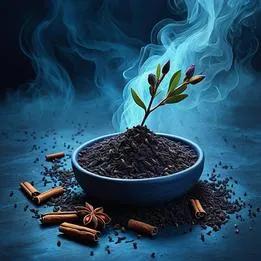
A pungent spice symbolizing preservation, healing, and spiritual protection across cultures, often linked to memory and transformation.
Common Appearances & Contexts
| Context | Emotion | Interpretation |
|---|---|---|
| Cooking with cloves | Nostalgia | Connecting to family traditions. |
| Smelling cloves | Comfort | Feeling safe and grounded. |
| Planting clove tree | Hope | Investing in future growth. |
| Cloves in medicine | Relief | Seeking healing solutions. |
| Cloves as gift | Love | Offering care and protection. |
| Burning cloves | Purification | Cleansing negative energy. |
| Cloves in conflict | Anxiety | Need for preservation. |
| Finding old cloves | Longing | Recalling lost moments. |
| Cloves in storm | Fear | Seeking spiritual shelter. |
| Sharing cloves | Connection | Building community bonds. |
| Cloves rotting | Loss | Decay of protection. |
| Cloves in celebration | Joy | Honoring life cycles. |
Interpretive Themes
Cultural Lenses
Jungian Perspective
View Context →Represents the Self's wholeness—integrating opposites like pain (pungency) and healing. Symbolizes individuation through preserved wisdom and archetypal protection against psychic fragmentation.
Freudian Perspective
View Context →Phallic symbol due to shape; oral fixation linked to its use in dentistry (pain relief). Represents repressed desires for nurturing or aggression masked as comfort.
Gestalt Perspective
View Context →The dreamer's projection of self—perhaps as a preserver, healer, or protector. The clove's parts (bud, stem, oil) reflect fragmented aspects seeking integration in awareness.
Cognitive Perspective
View Context →Memory cue: strong scent triggers episodic memories (e.g., holidays). Problem-solving symbol for preservation or health issues, reflecting waking-life concerns about stability or wellness.
Evolutionary Perspective
View Context →Survival advantage: antimicrobial properties signaled safety in food/medicine. Dreaming of cloves may activate innate preferences for resources that enhance health and group cohesion.
South Asian Perspective
View Context →Sacred in Ayurveda for healing digestion and pain; used in rituals (e.g., weddings) for protection and prosperity. Modernly, a staple in cuisine and natural remedies.
Middle Eastern Perspective
View Context →Historically traded as luxury spice; used in perfumes and mummification for preservation. Today, symbolizes hospitality in coffee rituals and protection in folk traditions.
East Asian Perspective
View Context →In Chinese medicine, warms the body and treats cold ailments; associated with longevity. In modern Japan, used in incense for purification and memory evocation.
European Perspective
View Context →Medieval symbol of wealth and preservation; used to ward off plague. Now evokes Christmas traditions (e.g., mulled wine), representing nostalgia and seasonal warmth.
African Perspective
View Context →Ritual use in Swahili coast for spiritual cleansing and protection; traded historically. Contemporary: key in cuisine and natural medicine, symbolizing resilience and community health.
Latin American Perspective
View Context →Fused indigenous and colonial uses: healing in folk medicine, flavor in moles. Modernly, represents cultural fusion, memory of ancestors, and celebratory foods like tamales.
Global/Universal Perspective
View Context →Cross-cultural symbol of preservation (food, rituals), healing (natural remedy), and protection (spiritual). Universally tied to memory via potent scent and transformation in culinary/ritual contexts.
Interpret Your Full Dream
Beyond this symbol, every dream carries a unique story. Share your dream for a personalized AI-powered interpretation.