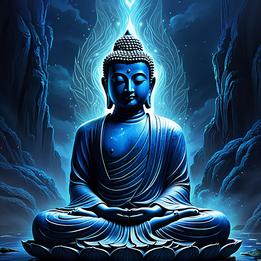
Buddha Statue
A representation of Siddhartha Gautama, symbolizing enlightenment, inner peace, and spiritual awakening across Buddhist traditions.
Buddha Statue Dream Meaning
A representation of Siddhartha Gautama, symbolizing enlightenment, inner peace, and spiritual awakening across Buddhist traditions.
Interpretive Themes
Spiritual Awakening
highDream may signal a call to spiritual growth.
Inner Peace
highSuggests a need for tranquility in life.
Guidance
mediumMay indicate uncertainty requiring insight.
Detachment
mediumCould reflect a need to simplify.
Cultural Connection
lowMay represent exposure to new ideas.
Mythological Resonance
Siddhartha Gautama
BuddhistA prince who renounced luxury, achieved enlightenment under the Bodhi tree, and taught the path to end suffering.
Athena
GreekGoddess of wisdom and strategic warfare, born from Zeus's head, representing enlightened intellect and justice.
Cultural Lenses
Jungian Perspective
View Context →Archetype of the Self or wise old man, representing individuation and the integration of consciousness with the unconscious, guiding toward wholeness.
Freudian Perspective
View Context →May symbolize paternal authority or superego, reflecting internalized moral standards, with the serene expression masking repressed desires or conflicts.
Gestalt Perspective
View Context →Projection of the dreamer's need for peace or wisdom; the statue represents an aspect of the self that is calm, detached, or enlightened.
Cognitive Perspective
View Context →Mental schema for tranquility or spirituality, activated during sleep to process stress, cultural exposure, or aspirations for emotional regulation.
Evolutionary Perspective
View Context →Symbol of social cohesion and ritual, tapping into innate human tendencies for reverence, hierarchy, and seeking guidance from perceived wise figures.
South Asian Perspective
View Context →Sacred icon in Buddhism and Hinduism, representing enlightenment (nirvana), compassion, and the historical Buddha's teachings, deeply embedded in rituals and art.
East Asian Perspective
View Context →Venerated in Mahayana Buddhism, often seen as a protector and guide (e.g., Amitabha), with statues in temples symbolizing blessings and spiritual merit.
Modern Western Perspective
View Context →Frequently secularized as a decor item associated with mindfulness, wellness trends, and exotic aesthetics, sometimes lacking religious context.
Global/Universal Perspective
View Context →Widely recognized symbol of peace, meditation, and Eastern philosophy, transcending specific cultures to represent universal human quests for meaning.
European Perspective
View Context →Historically viewed through colonial or orientalist lenses, now often embraced in New Age or spiritual practices as an emblem of alternative wisdom.
North American Perspective
View Context →Popular in mindfulness and yoga cultures, sometimes commercialized, while also respected in Buddhist immigrant communities as a religious object.
African Perspective
View Context →Less common traditionally, but growing presence through global Buddhism, often interpreted alongside local spiritual symbols of ancestors or deities.
Historical Authorities
Want a deeper analysis?
Get a personalized interpretation of your entire dream including this symbol.
Interpret My DreamThe Oracle's Prediction
Combine multiple symbolsA period of deep inner clarity and peace will emerge.
Timeframe
Seasonal (~3 Months)
Intensity
Deep
Common Appearances & Contexts
| Context | Emotion | Interpretation |
|---|---|---|
| Context Meditating before the statue | Emotion calm | Interpretation Indicates a desire for mindfulness or spiritual practice. |
| Context Statue cracking or breaking | Emotion anxiety | Interpretation Suggests spiritual doubt or inner conflict. |
| Context Statue glowing or radiating light | Emotion awe | Interpretation Symbolizes profound insight or enlightenment. |
| Context Buying or receiving the statue | Emotion joy | Interpretation Represents embracing peace or new wisdom. |
| Context Statue in a chaotic environment | Emotion confusion | Interpretation Highlights a need for calm amid turmoil. |
| Context Statue speaking or moving | Emotion wonder | Interpretation Implies receiving direct spiritual guidance. |
| Context Ignoring or walking past the statue | Emotion indifference | Interpretation May reflect neglecting inner peace. |
| Context Cleaning or polishing the statue | Emotion contentment | Interpretation Suggests nurturing spiritual growth. |
| Context Statue in a museum or shop | Emotion curiosity | Interpretation Indicates intellectual or cultural exploration. |
| Context Statue surrounded by nature | Emotion serenity | Interpretation Symbolizes harmony with the natural world. |
| Context Statue being stolen or lost | Emotion distress | Interpretation Represents fear of losing inner peace. |
| Context Multiple Buddha statues | Emotion overwhelm | Interpretation May indicate conflicting spiritual paths. |
Interpret Your Full Dream
Beyond this symbol, every dream carries a unique story. Share your dream for a personalized AI-powered interpretation.