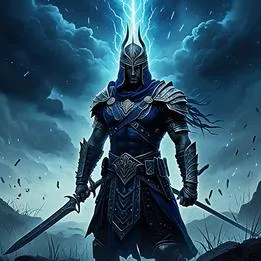
Warrior
The Oracle's Essence
A spiritual archetype representing inner strength, discipline, and the struggle for higher purpose or self-mastery.
Interpretive Themes
✧ Archetypal Essence
Hero
Dominant Influence ( 85%)
The spiritual Warrior aligns with the Hero's journey of mastering the self and confronting inner and outer challenges for a higher purpose.
The Light
The spiritual Warrior aligns with the Hero's journey of mastering the self and confronting inner and outer challenges for a higher purpose.
The Shadow
The spiritual Warrior aligns with the Hero's journey of mastering the self and confronting inner and outer challenges for a higher purpose.
Modern Visibility
Often seen as a metaphor for personal resilience, activism, or overcoming life's challenges, detached from literal combat.
◈ Mythological Resonance
Athena Myth Meaning & Symbolism
Global/Universal traditionThe goddess of strategic warfare, wisdom, and crafts, representing the Warrior principle guided by intellect and just cause, not mere brutality.
Galahad Myth Meaning & Symbolism
Arthurian traditionThe pure knight whose strength is in his spiritual integrity and quest for the Holy Grail, embodying the Warrior in service to the divine.
Berserkers Myth Meaning & Symbolism
Norse traditionThe archetypal container for this energy, one who engages directly with conflict and chaos, both externally and within the psyche.
Ahura Mazda Myth Meaning & Symbolism
Persian traditionThe archetype of the human being who actively chooses to fight for Asha against Druj, aligning their will with the divine purpose in the great cosmic battle.
Apolaki Myth Meaning & Symbolism
Filipino traditionThe archetypal energy of Apolaki, representing the necessary fight to establish boundaries, defend values, and forge an independent identity.
Bulgasari Iron Eating Monster Myth Meaning & Symbolism
Korean traditionThe protective, defensive aspect of the integrated Self that stands firm against external tyranny, forged through internal struggle.
Coyolxauhqui Moon Goddess Myth Meaning & Symbolism
Aztec traditionHuitzilopochtli as the archetypal force of decisive, conscious action that defends the nascent Self against the attacking forces of the entrenched psyche.
Dorje Shugden Myth Meaning & Symbolism
Tibetan Buddhist traditionThe archetypal energy of Dorje Shugden, embodying focused discipline, fierce protection of boundaries, and the courage to confront inner and outer adversaries.
Deborah the Prophetess Myth Meaning & Symbolism
Hebrew traditionBarak, the necessary active principle who must execute the vision, though his courage requires the anchoring presence of the prophetic spirit.
Erra and Ishum Myth Meaning & Symbolism
Babylonian traditionThe aspect of Erra and his Sebitti, representing the aggressive, combative energy required to dismantle entrenched psychic structures.
Fudo-Myoo Myth Meaning & Symbolism
Shinto traditionThe essential archetype embodied by Fudo-Myoo, representing the fierce, disciplined, and compassionate resolve needed for the inner battle of spiritual and psychological development.
Haka Origin Myth Meaning & Symbolism
Maori traditionThe archetype of courage, discipline, and focused power required to face inner and outer challenges, central to the Haka's spirit.
Huascar and Atahualpa Myth Meaning & Symbolism
Incan traditionThe archetype fully embodied by Atahualpa and his generals, representing the potent, martial aspect of the self that is necessary for defense but catastrophic when turned inward against the psyche's own center.
Illapa Thunder God Myth Meaning & Symbolism
Incan traditionThe archetype of disciplined power in service to a higher order, embodying the courage to initiate necessary conflict for the sake of renewal and balance.
Ixtaccihuatl and Popocatepetl Myth Meaning & Symbolism
Aztec traditionThe archetype embodied by Popocatépetl, whose ultimate battle is not against external enemies, but against the finality of loss, fought with the weapons of vigil and memory.
Ilya Muromets Myth Meaning & Symbolism
Slavic traditionThe archetypal identity Ilya assumes, embodying disciplined strength, protection, and the eternal struggle to maintain order against chaos.
Kawelo the Warrior Myth Meaning & Symbolism
Hawaiian traditionThe archetype Kawelo embodies, representing the disciplined channeling of aggressive energy into protective action and the mastery of one's own inner chaos.
Ku God of War Myth Meaning & Symbolism
Hawaiian traditionThe human embodiment of the Ku principle, representing disciplined action, courage, protection, and the willingness to engage in necessary conflict for a defined purpose.
Ogou Warrior Spirit Myth Meaning & Symbolism
West African traditionThe archetypal embodiment of focused will, courage, and the capacity to defend boundaries, directly mirroring Ogou's primary role as a protector and enforcer of justice.
Ogou Ferraille Myth Meaning & Symbolism
African Diaspora traditionThe archetype of disciplined action and protection, embodying the courage to confront chaos and fight for a principle, whether in the outer world or the inner psyche.
Ondal and Princess Pyeonggang Myth Meaning & Symbolism
Korean traditionThe aspect of the psyche that engages with conflict and challenge, emerging from the integration of love's guidance and raw courage.
Queen Nzinga Warrior Queen Myth Meaning & Symbolism
African traditionThe principle of focused will, defense of boundaries, and strategic action; Nzinga integrated this not as brute force, but as an essential aspect of her rulership.
Shambhala Myth Meaning & Symbolism
Tibetan Buddhist traditionThe enlightened host of Shambhala, representing the active, courageous, and disciplined aspects of consciousness mustered to confront and transform inner darkness and ignorance.
Sinchi Roca Myth Meaning & Symbolism
Incan traditionThe primal aspect of Sinchi Roca's identity, the raw strength and defensive energy that must be integrated and transcended for true rule.
Srikandi Myth Meaning & Symbolism
Indonesian traditionThe archetype of disciplined courage and skilled action that Srikandi perfectly embodies, showing that the warrior’s path is one of mastery, not mere aggression.
The Feathered God Ku Myth Meaning & Symbolism
Hawaiian traditionThe initial, unrefined aspect of Ku, representing the psychic energy of assertion, protection, and will that is the raw material for the transformative work.
The Legend of the Sleeping Woman Myth Meaning & Symbolism
Aztec traditionThe aspect of the psyche that commits to a duty of protection and witness, transforming brute strength into enduring, conscious devotion.
The Maroons and Nanny of the Maroons Myth Meaning & Symbolism
African Diaspora traditionThe embodiment of active resistance, courage, and the skilled application of force (both physical and spiritual) to defend one's freedom and integrity.
The Sword of Ali Myth Meaning & Symbolism
Arabian traditionThe spiritual warrior who fights not for conquest, but for the protection of truth and the community, with discipline and piety.
Tlahuizcalpantecuhtli Dawn Star Myth Meaning & Symbolism
Aztec traditionHis primary aspect as a celestial combatant who engages in a doomed, cosmic duel to define the hierarchy of the heavens.
Tūmatauenga Myth Meaning & Symbolism
Maori traditionThe embodied archetype of Tūmatauenga, representing the capacity for conscious confrontation, boundary-setting, and the focused application of will.
Tu God of War Myth Meaning & Symbolism
Maori traditionThe archetype embodied by Tū, representing the psychological capacity for focused will, confrontation, and the defense of one's boundaries and values.
Vajrapani Myth Meaning & Symbolism
Tibetan Buddhist traditionVajrapani is the archetypal spiritual warrior, whose battlefield is the mind and whose weapon is enlightened resolve against the forces of delusion.
Zumbi of Palmares Myth Meaning & Symbolism
African Diaspora traditionThe archetype of disciplined, principled resistance; the part of the psyche that must fight to protect its boundaries and its right to exist.
Akan Golden Stool
West African traditionThe protector of the sacred center, embodied by figures like Yaa Asantewaa, who wages war in defense of the soul of her people.
Al-Uzza the Goddess of Venus
Arabian traditionThe embodiment of focused, ruthless strength invoked before battle, representing the archetypal will to confront and overcome.
Arjuna's Meditation
Indonesian traditionThe archetype of disciplined action and courage, who must first conquer the inner landscape of fear and doubt before engaging any external battle.
Geburah Divine Severity
Kabbalistic traditionThe embodiment of disciplined force, courage in conflict, and the willingness to engage in struggle for a higher principle.
Guan Yu God of War
Taoist traditionThe archetype of disciplined strength and protection, who fights not for chaos but for a defined order and justice.
Imuk the General of Hell
Korean traditionThe embodiment of disciplined strength and courage in conflict, facing darkness with resolve in service of a sovereign principle.
Ogun in Cuba
African Diaspora traditionThe archetype of focused strength and resilience, embodying the fight to protect one’s community, culture, and inner truth against forces of erasure.
Puma the Sacred Animal
Incan traditionThe archetype of disciplined strength and protective force, embodied by the puma's role as the guardian of cosmic order and the empire's martial ideal.
The Yellow Emperor Huangdi
Taoist traditionThe aspect of the self that must engage in the necessary battle to subdue inner chaos and disorder.
Cultural Lenses
Global/Universal
Learn More →Archetypal figure across cultures representing human struggle against adversity, often linked to initiation rites, hero myths, and moral codes of honor and sacrifice.
Jungian
Learn More →The Warrior archetype within the psyche, part of the Self's struggle for individuation. Represents assertiveness, discipline, and confronting the Shadow. Modern: channeling aggression constructively.
Freudian
Learn More →Symbol of repressed aggression, libidinal energy, or unresolved Oedipal conflicts. The warrior's weapons may represent phallic symbols; battles reflect internal psychic conflicts between id and superego.
Gestalt
Learn More →Projection of the dreamer's own assertive or combative qualities. The warrior represents parts of self in conflict or aspects needing integration. Modern: owning one's power or aggression.
Cognitive
Learn More →Mental schema for problem-solving, threat response, or goal pursuit. The warrior symbolizes cognitive strategies for overcoming obstacles, reflecting brain's threat-detection and executive function systems.
Evolutionary
Learn More →Ancient adaptation for survival, group defense, and status competition. The warrior dream taps into deep-seated instincts for protection, territoriality, and social hierarchy from our ancestral past.
East Asian
Learn More →In traditions like Bushido or Wu Wei, the warrior balances martial skill with spiritual cultivation. Modern: corporate 'salaryman' as warrior, emphasizing discipline, loyalty, and harmonious action through minimal force.
South Asian
Learn More →Dharma-yuddha (righteous war) in texts like Bhagavad Gita: warrior as spiritual duty. Historical Kshatriya caste; modern: activist fighting social injustice as contemporary warrior path.
Middle Eastern
Learn More →Historical ghazi or fursan (holy warriors); modern reinterpretations include resistance fighters or defenders of cultural identity. Often tied to honor codes and community protection.
European
Learn More →Medieval knightly virtues, Norse berserker traditions, or classical Greek hoplite ideals. Modern: sports athletes as warriors, or political activists engaged in ideological battles.
African
Learn More →Diverse traditions from Maasai moran to Zulu impi, emphasizing community protection, initiation rites, and ancestral connection. Modern: freedom fighters or cultural preservationists as warriors.
North American
Learn More →Indigenous warrior societies with spiritual dimensions; contemporary veterans' experiences. Modern: social justice warriors, first responders, or individuals battling addiction as personal warriors.
✦ The Oracle's Prediction
A significant challenge or test of your competence that, if met, leads to greater respect or authority.
Contextual Nuances
Leading an army
Taking charge of life.
Training alone
Self-improvement journey.
Defending a village
Guarding personal values.
Losing a battle
Inner conflict overwhelming.
Receiving a weapon
Gaining new strength.
Integrative Mantra
"Affirmation"
Integration Ritual
Ritual Practice
Light a candle. Stand facing it. For one minute, hold a strong, grounded posture (like a mountain stance). With each exhale, visualize your breath fanning the candle's flame brighter, not extinguishing it. Extinguish the candle by snuffing, not blowing.
Questions for Reflection
- "What inner battle is this warrior fighting in your psyche?"
- "How can you channel warrior energy constructively in daily life?"
- "What values or people are you protecting as your 'village'?"
- "Where might you need more discipline or courage?"
- "Is this warrior fighting for or against your true self?"
Related Weavings
The Portal is Always Open
Every dream is a personalized dispatch from the deep. Don't let yours fade into static.
Interpret Full Dream