The Dream of Nourishment: Feeding the Soul's Deepest Hunger
The Somatic Echo
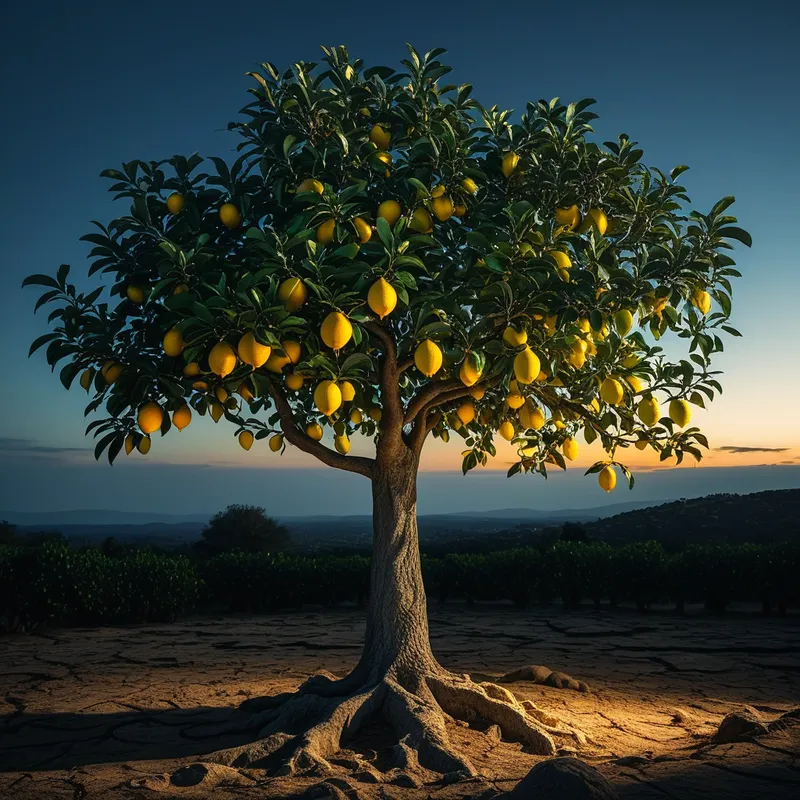
Before the image of a feast or a famine forms, the dream of nourishment announces itself in the body. It is a hollowing. A specific, resonant emptiness that is not in the stomach but in the chest, behind the sternum—a cavity that seems to echo. It is the ache of a root system searching for water in dry soil. It is a low-grade tremor in the hands, a subtle yearning to receive, to be filled. This is not the pang of skipped meals; it is the somatic truth of a part of you, long exiled from the banquet of your own life, pressing its face against the glass of your consciousness. It whispers of a nutrient deficiency of the soul.
The Dreamer's Log
The dreamer stands in a stark, futuristic kitchen. All the cabinets are sealed with glowing, unbreakable locks. On the cold steel counter lies a single, perfect fruit, pulsing with a soft inner light. They are starving, but their hands refuse to pick it up. This is the dream of nourishment at its most poignant: sustenance present, yet inaccessible. The alchemy here is the realization that the lock is not on the cabinet, but on the will to feed oneself.

The False Lead
This theme is not about literal diet, financial lack, or the simple desire for comfort food. To mistake the soul’s banquet for a grocery list is to remain forever hungry. The dream is not signaling an external shortage, but an internal distribution crisis. It points to a system within you where certain parts—the ambitious worker, the responsible parent—are overfed on obligation, while others—the creative, the playful, the restful—are languishing in a state of psychic malnutrition. The famine is selective, and therefore, a profound structural choice.
Psychological Architecture
The work here is Shadow work of the most intimate kind: the reintegration of the starved self. Within your internal family, there are exiles—parts of you deemed too needy, too luxurious, too vulnerable to be allowed at the common table. The dream of nourishment is their petition. The individuation process demands you become the sovereign who surveys their entire kingdom, not just the prosperous cities, but the forgotten, arid provinces. It requires you to ask, not “What do I want?” but “Which part of me is hungry?” and “What does that part truly need to thrive?” To nourish is to recognize that the relentless drive for productivity is a part starving for validation, and the cynicism is a part starving for hope. Feeding them requires the counter-intuitive act: rest for the driver, beauty for the cynic.
Mythic Resonance
We see this in the myth of Persephone. Her descent into the Underworld is not merely an abduction; it is a profound hunger. In the depths, she eats six pomegranate seeds—not a full meal, but a decisive act of receiving nourishment from a forbidden, dark source. This single act transforms her. She is no longer just the maiden of the spring field; she becomes Queen of a hidden realm. The myth tells us that true nourishment often requires a descent into what we have denied, and that partaking of that shadowy fruit is what grants us sovereignty over our whole, bifurcated life.
Symbolic Nodes
- Feasts & Famines: Overflowing tables you cannot reach, or barren landscapes.
- Forbidden or Inedible Food: Food made of stone, glass, or rot; sustenance that is locked away or poisonous.
- Cooking & Preparation: Endlessly preparing a meal you never eat, symbolizing potential nourishment stuck in the planning phase.
- Feeding Others While Starving: The classic dynamic of the caregiver nourishing everyone but themselves.
- Living Sustenance: Fruit with a heartbeat, bread that breathes, water that glows—pointing to nourishment as a living, reciprocal relationship.
- Broken Vessels: Cups with holes, cracked bowls, symbolizing an inability to hold the nourishment received.
Archetypal Resonance
The energy of this theme resonates most deeply with The Caregiver Archetype, specifically in its shadow manifestation. The Shadow Caregiver—the Martyr or Smotherer—operates on a faulty internal economy: it believes love and worth are earned only through the constant provision of nourishment to others, while its own core is hollowed out by neglect. The somatic echo of emptiness is its native state. The alchemical potential lies in the Caregiver’s redemption: turning that profound capacity for attention, nurture, and provision inward. The journey is from martyrdom to stewardship—becoming the wise ruler who ensures all provinces of the self, especially the neglected ones, receive their rightful allotment. It is the archetype learning that the most radical act of care is to feed the feeder.
The Alchemical Process
The alchemical transmutation of Nourishment is the process of Sacred Reciprocity. The base material is the raw grief of emptiness and the terror of neediness. The heat is applied when you consciously sit with that hollow echo in your chest and refuse to numb it with distraction or substitute it with superficial feeding. The pressure builds as you identify which internal part is famished and listen to its specific request—which is never for more busyness, but often for stillness, beauty, play, or tears.
The transmutation occurs in the moment you, as the conscious self, choose to provide that specific nutrient. You give the inner driver permission to rest. You offer the inner critic a moment of beauty. This internal act of feeding creates a closed loop: the giver and receiver exist within the same psyche. The energy of lack is recycled into the energy of fulfillment. The hollow becomes a crucible, and from it, you forge a new, sovereign authority: the ability to nourish your own being from the inside out, making you immune to the famines of the external world.

The Integration Protocol
Question 1: When you feel that hollow yearning, if you were to imagine it as a specific, younger part of you, what age is it? What is it holding that it needs you, now, to see?
Question 2: What is the one form of nourishment you find easiest to give to others (listening, encouragement, space, celebration) that you most rigorously ration from yourself?
Question 3: If your current life were a banquet table, which parts of you have a seat at it, and which parts are waiting outside the door? What single, simple food would you sneak out to them?
Action 1 (The Silent Offering): For one week, upon waking, before engaging with the world, place a hand over your sternum. In that silence, ask inwardly, “What do you need today?” Do not answer with your mind. Wait for a somatic or emotional whisper—a word like “peace,” “courage,” “delight.” Let that word be the nutrient you consciously carry into your day.
Action 2 (The Nourishment Map): Create a simple drawing or collage. On one side, depict images or words that represent what you currently use to “feed” yourself (e.g., work, scrolling, caffeine, exercise). On the other side, depict the nourishment your soul-echo actually craves (e.g., silence, nature, unstructured time, creative mess). Do not judge the map; simply observe the gap as an archaeologist would, noting the fascinating disconnect.
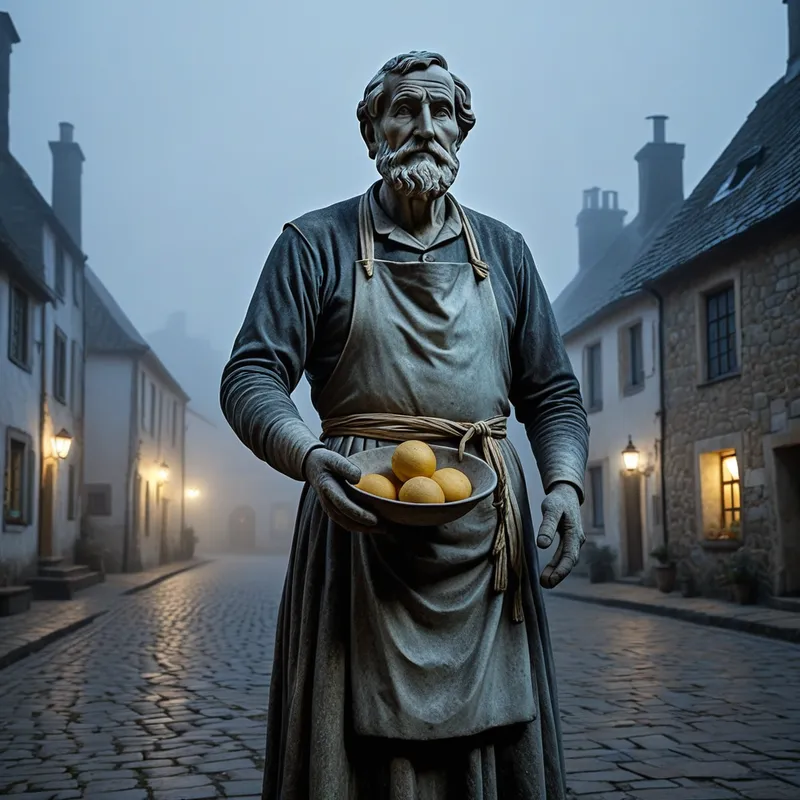
Action 3 (The Ritual Plate): Once a week, prepare a plate of food solely for yourself, with the explicit intention that it is for your inner exiled part. It need not be a feast—a piece of fruit, some cheese, a slice of bread. Before eating, hold the plate and say aloud, “This is for you. You are welcome here.” Then eat, slowly, receiving the nourishment on their behalf.
Final Validation
The hunger you feel is real. It is not a flaw or a failure of gratitude; it is the proof of a living soul within you that has not consented to a starvation diet. That ache is your wholeness calling to itself from across a distance of neglect. To begin listening to it is not self-indulgence; it is the first, sovereign act of remembering that you are not just the host of this life, but its most honored, eternal guest. You must learn to pull out the chair for yourself, to fill your own cup, and to finally, mercifully, sit down at your own feast.