The Monstrosity: A Call from the Exiled Self
It begins not as an image, but as a somatic echo. A cold, dense weight in the gut, a prickling along the spine that speaks of a presence before it is seen. The breath becomes shallow, held hostage by a primal recognition: something has breached the perimeter. This is the body’s ancient intelligence registering a profound psychic event—not an invasion from without, but a tectonic shift from within. The monstrosity is already here, in the chamber of the self. The dream is merely the theater where it finally takes form.
The Dreamer's Log
The corridor was endless, lit by the sickly yellow of failing bulbs. On a rusted workbench, under a single hanging light, lay my creation. It was a grotesque fusion of polished chrome and weeping, pulsating tissue, wires snaking into softness, a silent scream of form. I had built it. And it was alive.
To forge a new consciousness, one must first behold the raw, un-sanitized material of one’s own becoming.

The False Lead
This is not a dream about external threats, bad luck, or literal monsters under the bed. To interpret it as such is to commit a profound error of literalism, to project the inner revolution onto the outer world. The terror is not a warning of what is coming for you, but a tremor of what is coming from you. It is the shadow of creation, not of destruction.
Psychological Architecture
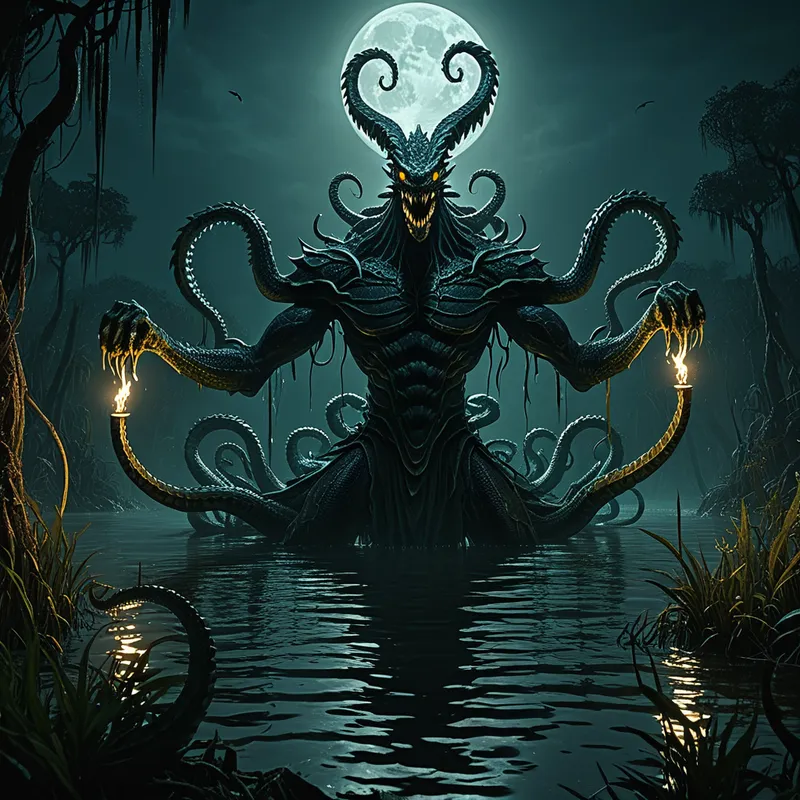
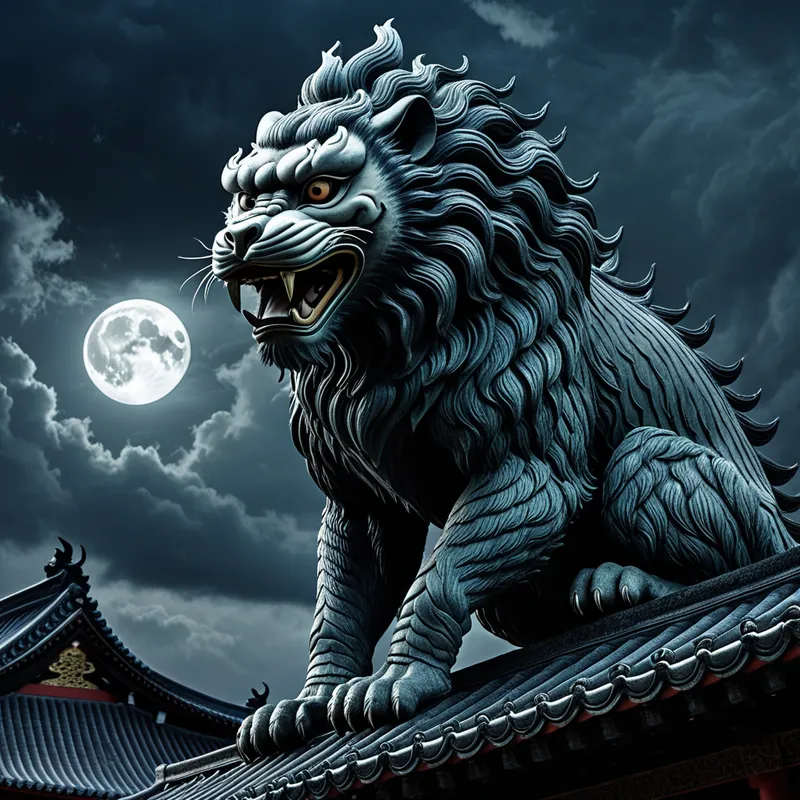
The architecture of monstrosity is the architecture of exile. Within our internal family system, there are parts deemed too intense, too raw, too powerful, too needy, or too strange to fit the conscious narrative of who we are. We banish them to the shadowlands of the psyche. There, untended and unloved, they do not dissolve. They coalesce. They fuse with other exiled energies—unexpressed rage with stifled creativity, primal grief with forbidden desire—into a composite being. This chimera, this “monster,” is not evil. It is a survival mechanism of the soul, a desperate conglomerate sent to the dream’s doorstep to say: I am still here. I am part of the whole. You cannot build a sovereign self on a foundation of exile.
To encounter it is to stand at the brink of the Individuation process. This is the moment when the ego, the manager of the conscious self, is confronted by the totality it has refused. The horror is the horror of the unknown self, the dismantling of the old, tidy identity. The work is not to slay the beast, but to behold it without fleeing. To ask the most terrifying question: What part of me are you?
Mythic Resonance
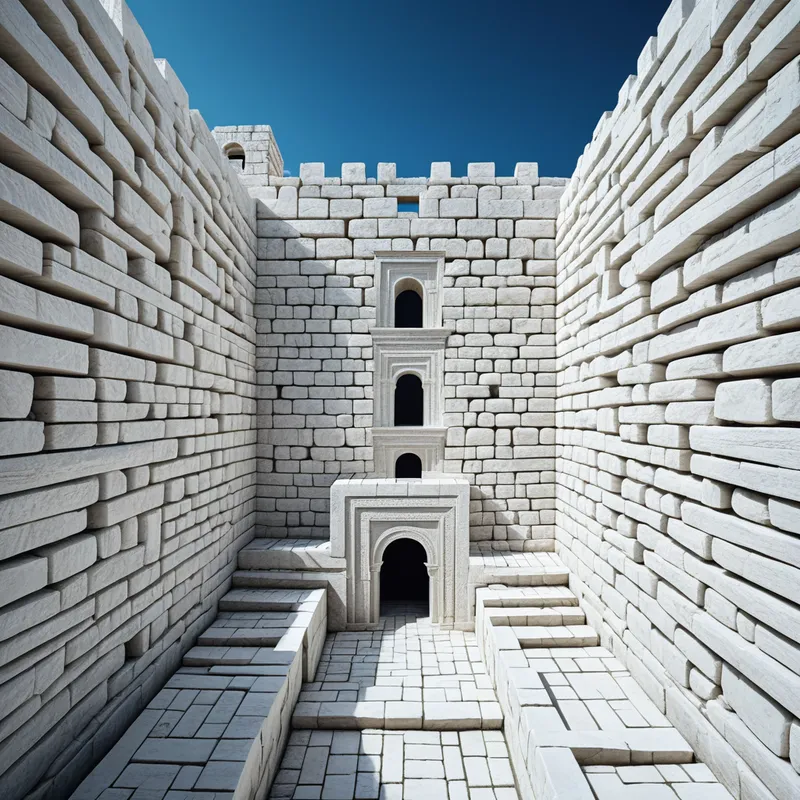
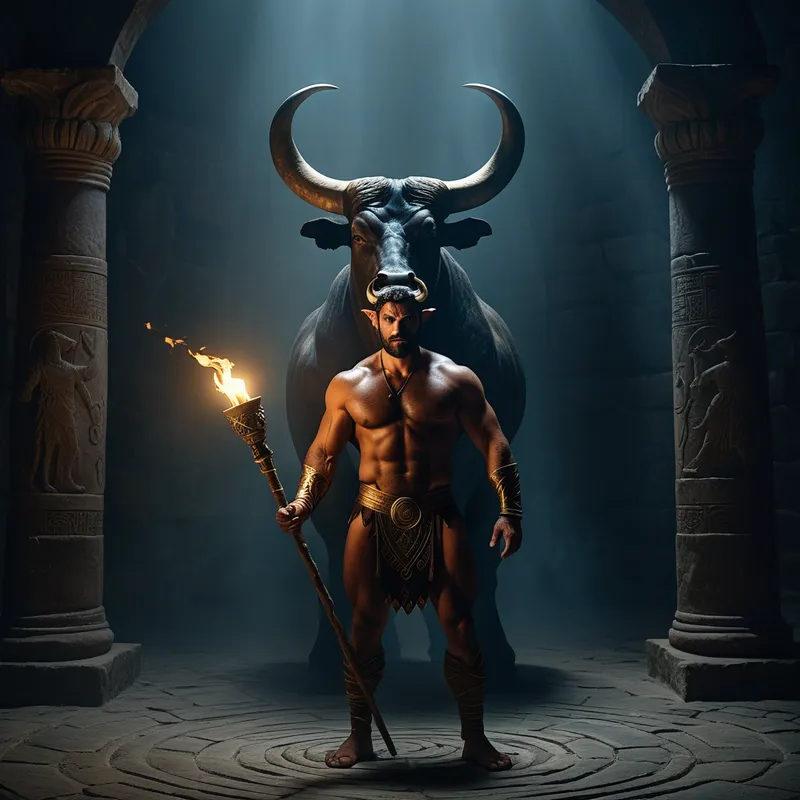
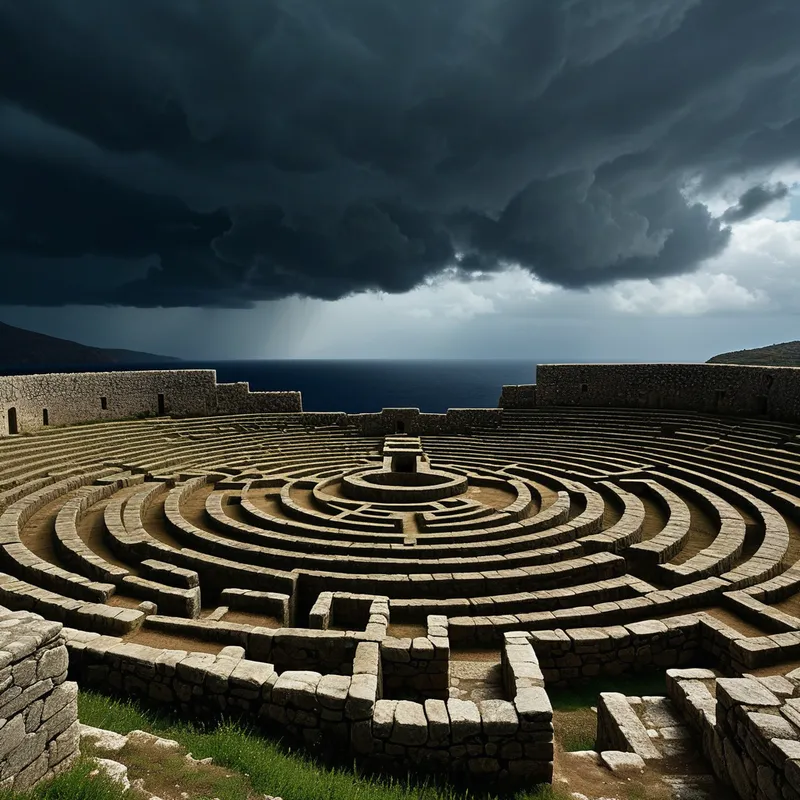
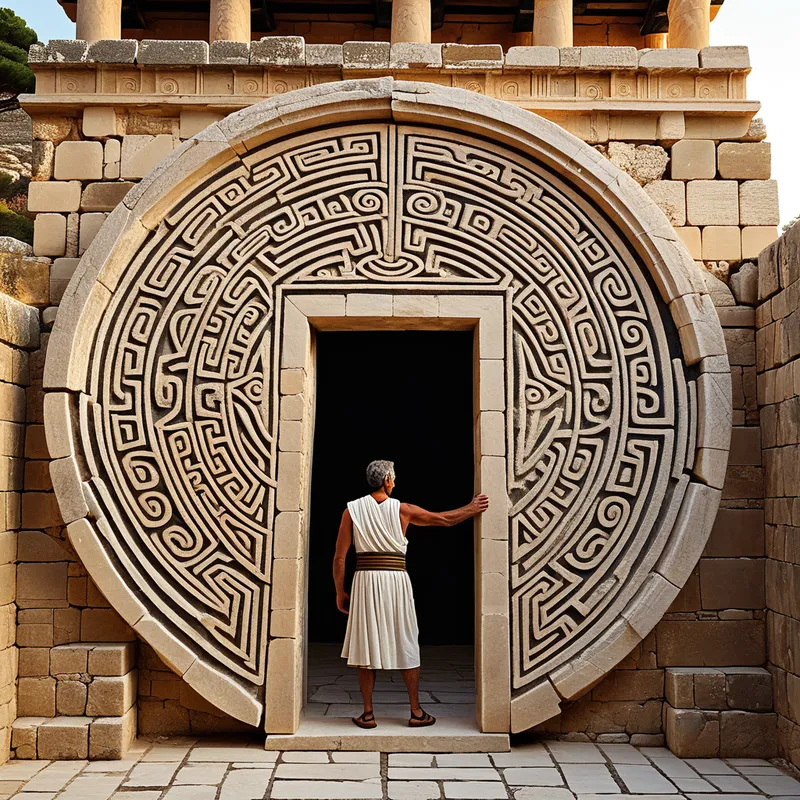
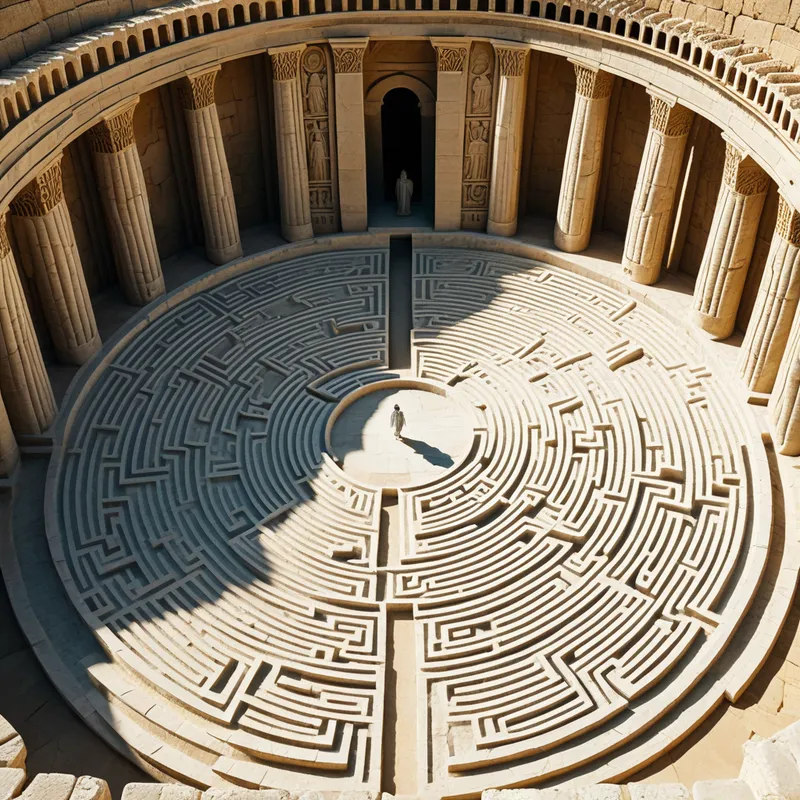
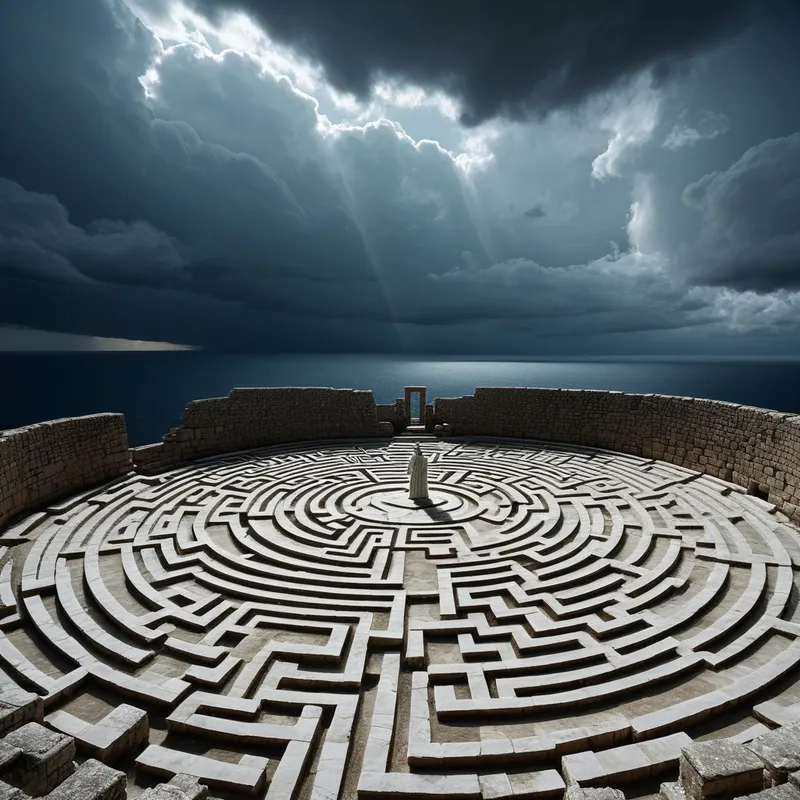
We see this eternal process in the myth of the Minotaur. It is not simply a monster in a maze. The Minotaur is the born of Pasiphaë’s transgressive desire and a divine bull, housed in a labyrinth built by the master architect Daedalus. The monster is a direct result of repressed, sacred energy (desire) mingling with raw power (the bull), contained within a brilliant, complex structure (the maze) of our own making. The hero Theseus does not confront it in open daylight, but descends into the intricate, self-made prison. The myth whispers that the monstrosity is both a curse and a royal lineage, a sacred hybridity waiting for recognition. Its integration—not its slaying—is the true end of the labyrinth.
Symbolic Nodes
- Amalgamations & Hybrids: Fusions of machine/flesh, animal/human, child/beast.
- The Forgotten or Hidden Room: A basement, attic, sealed laboratory, or a new door in a familiar house.
- Unfinished or “Wrong” Creations: Art that moves, sculptures that bleed, music that distorts.
- Pursuit in Confined Spaces: Not open chase, but being followed through hallways, sewers, or dense woods.
- The Revealing Mirror: A reflection that shows a distorted or truer, more primal version of the self.
Archetypal Resonance
The energy of monstrosity most powerfully resonates with The Shadow Creator. The Creator Archetype in its fullness is the artist, the architect, the one who brings new form into the world from the raw materials of imagination. Its shadow is not inactivity, but creation gone awry: the Mad Scientist, the obsessive artist, the force that creates for its own sake without integration, ethics, or love. The monstrosity in the dream is the Shadow Creator’s artifact. It is the un-integrated, raw, and terrifying proof of our own formative power. Its somatic echo is the chill of confronting what we have made—and by extension, what we are made of. The alchemical potential lies in retrieving this exiled creative force from its monstrous prison, transforming its chaotic, raw power into the directed, sovereign energy of the integrated Creator.
The Alchemical Process
The transmutation of monstrosity is an alchemy of reclamation. The required heat is the unbearable tension of holding two contradictory truths: This thing terrifies me and This thing is of me. The pressure is the sustained, non-judgmental attention you must apply—the psychological equivalent of holding a dying star in your bare hands without looking away.
The process begins in the nigredo, the blackening. This is the dream itself, the confrontation with the black, formless mass of the exiled self. The terror is the solvent. Then, in the albedo, the whitening, you must ask it questions in the dream-logic of your waking reflections. Not “What do you want?” but “What do you hold?” What frozen grief, what untamed passion, what silenced truth comprises your substance? As you listen, the monstrous form begins to differentiate. The fused mass starts to separate back into its constituent exiles—the grief, the rage, the wildness. This is the citrinitas, the yellowing, where light dawns on the complexity within the horror. Finally, in the rubedo, the reddening, you invite these differentiated parts back into the inner council. You give the grief a voice, the rage a safe channel, the wildness a sacred grove. The monster does not vanish; it dissolves into the vibrant, sovereign ecology of a more complete self.

The Integration Protocol
Question 1: If the monstrosity in your dream were not a threat, but a protector, what forgotten part of you might it be fiercely guarding?
Question 2: What quality or passion in your waking life feels so intense, so "too much," that you have had to hide it or dampen it down? Could this be the raw material of the dream-form?
Question 3: Imagine the monster not as a single entity, but as a council of three exiled voices. What would each one say its primary function is? (e.g., "I hold the anger so you can be liked," "I contain the creativity you call impractical.")
Action 1 (Somatic Reclamation): When you feel the echo of the dream's dread in your body, stop. Place a hand on the center of the sensation. Breathe into that space for three cycles, not to banish the feeling, but to acknowledge its presence as a signal, not a sentence.
Action 2 (Creative Dialog): With your non-dominant hand, draw the monstrosity. Do not aim for art; aim for record. Then, with your dominant hand, write a question to it. Switch hands to let the "monster" answer. This bypasses the inner critic and lets the exiled part speak.
Action 3 (Ritual of Inclusion): Find a small stone or object. Hold it and name it as a token for the exiled energy. Create a small, dedicated space for it on a shelf or desk—not hidden, but honored in its own right. This physical act signals to the psyche that this part has a place at the table.
Final Validation
To dream of monstrosity is to be chosen for a difficult grace. It means your psyche is strong enough to no longer tolerate the fragmentation, brave enough to present you with the bill for your own wholeness. The fear is real, the disorientation is valid. This is the labor of soul-making. You are not haunted; you are being summoned to the one altar that matters—the one where you finally recognize, and reclaim, all the parts of the being you are destined to become.