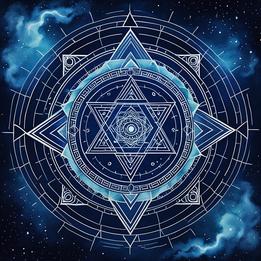
Yantra
A geometric diagram used in Hindu and Buddhist traditions for meditation, representing cosmic principles and divine energy.
Yantra Dream Meaning
A geometric diagram used in Hindu and Buddhist traditions for meditation, representing cosmic principles and divine energy.
Interpretive Themes
Mythological Resonance
Sri Yantra
HinduSacred diagram representing the cosmos and the goddess Tripura Sundari, used for meditation to realize the unity of microcosm and macrocosm.
Mandala
BuddhistGeometric representation of the universe used in meditation rituals, particularly in Vajrayana Buddhism, to guide practitioners toward enlightenment.
Cultural Lenses
South Asian Perspective
View Context →In Hinduism and Buddhism, yantras are sacred geometric instruments for meditation and ritual, representing deities and cosmic principles. Historically used in temples, now popular in global spiritual practices.
Jungian Perspective
View Context →Represents the mandala archetype—a symbol of wholeness and the Self. Indicates individuation process, integration of consciousness and unconsciousness, and psychological centering in dreamer's psyche.
Freudian Perspective
View Context →May symbolize sexual energy (libido) channeled through structured forms, representing sublimation of primal urges into spiritual or creative pursuits. Geometric patterns could suggest repressed desires.
Gestalt Perspective
View Context →The yantra represents parts of self seeking integration. Each geometric element may symbolize different aspects of personality needing recognition and harmony in the present moment.
Cognitive Perspective
View Context →Represents mental schemas for organizing spiritual concepts. Dream may reflect cognitive processes of pattern recognition, memory consolidation, or problem-solving through symbolic geometry.
Evolutionary Perspective
View Context →Taps into innate human preference for symmetrical patterns, which signal safety and order. May represent evolved need for meaning-making through visual symbolism in uncertain environments.
Modern Western Perspective
View Context →Often divorced from original context, used in meditation apps and wellness practices as tools for stress reduction. Seen as decorative art or mindfulness aids rather than sacred objects.
East Asian Perspective
View Context →Similar to mandalas in Tibetan Buddhism, used in meditation. In modern context, sometimes incorporated into feng shui practices as harmony symbols, though not traditionally East Asian.
Middle Eastern Perspective
View Context →Geometric patterns in Islamic art share similarities but serve different purposes—avoiding figuration to honor aniconism. Modern interpretations may blend with yantra concepts in New Age practices.
European Perspective
View Context →Historically, sacred geometry appeared in cathedral designs. Modern interest comes through Eastern spirituality adoption. Often interpreted through psychological or artistic lenses rather than ritual practice.
Global/Universal Perspective
View Context →As geometric meditation tool, transcends specific cultures in contemporary spirituality. Represents universal human desire for order, meaning, and connection to something greater than oneself.
African Perspective
View Context →While not traditional, geometric patterns appear in various African spiritual art forms. Modern interpretations might connect yantras to concepts of life force (like chi or ashe) in pan-African spirituality.
Historical Authorities
Want a deeper analysis?
Get a personalized interpretation of your entire dream including this symbol.
Interpret My DreamThe Oracle's Prediction
Combine multiple symbolsA moment of transcendent clarity or meditative breakthrough will occur.
Timeframe
Immediate (Next 48h)
Intensity
Deep
Improved mental focus and emotional balance will emerge.
Timeframe
Lunation (~29 Days)
Intensity
Deep
Common Appearances & Contexts
| Context | Emotion | Interpretation |
|---|---|---|
| Context Meditating before yantra | Emotion Peaceful | Interpretation Spiritual alignment present. |
| Context Yantra glowing brightly | Emotion Awe | Interpretation Divine revelation occurring. |
| Context Yantra crumbling apart | Emotion Anxious | Interpretation Foundation feels unstable. |
| Context Drawing yantra carefully | Emotion Focused | Interpretation Conscious creation process. |
| Context Yantra on wall | Emotion Protected | Interpretation Security symbol present. |
| Context Yantra rotating slowly | Emotion Mesmerized | Interpretation Cosmic cycles observed. |
| Context Yantra changing colors | Emotion Curious | Interpretation Energy shifts indicated. |
| Context Yantra floating midair | Emotion Wonder | Interpretation Transcendent experience unfolding. |
| Context Yantra too complex | Emotion Overwhelmed | Interpretation Life feels complicated. |
| Context Yantra simple clear | Emotion Clarity | Interpretation Understanding achieved simply. |
| Context Yantra vibrating powerfully | Emotion Energized | Interpretation Life force activated. |
| Context Yantra fading away | Emotion Loss | Interpretation Connection weakening symbolically. |
Interpret Your Full Dream
Beyond this symbol, every dream carries a unique story. Share your dream for a personalized AI-powered interpretation.