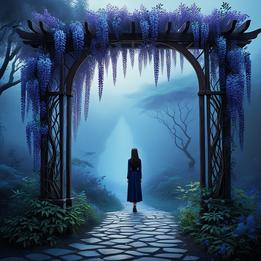
Wisteria Arbor
The Wisteria Arbor symbolizes a space of tranquility, beauty, and transformation. It often represents the intertwining of dreams and reality, inviting reflection and deep emotion.
Wisteria Arbor Dream Meaning
The Wisteria Arbor symbolizes a space of tranquility, beauty, and transformation. It often represents the intertwining of dreams and reality, inviting reflection and deep emotion.
Interpretive Themes
Nostalgia
highThe beauty of the wisteria arbor evokes memories of peaceful moments.
Transience
highWisteria blooms beautifully but for a short period, symbolizing the delicate nature of experiences.
Connection
mediumThe intertwining vines can symbolize relationships and the connections we cherish.
Hope
mediumThe serene setting encourages dreamlike thoughts and reflections.
Cyclical Nature
mediumThe arbor represents a peaceful retreat, allowing for introspection.
Mythological Resonance
Fuji (Wisteria) in Folklore
JapaneseOften associated with love, protection, and immortality; wisteria vines are said to connect earthly and spiritual realms, symbolizing enduring bonds.
Persephone's Return
GreekThe blooming of flowers like wisteria marks her ascent from the underworld, representing seasonal renewal and the intertwining of life and death.
Cultural Lenses
East Asian Perspective
View Context →Wisteria is celebrated during hanami festivals where people gather to admire the blooms. Admiration and reflection in gardens. [Japanese] Associated with depth of emotion in Japanese poetry.
East Asian Perspective
View Context →Symbolizes love, longevity, and family ties. Used in art and literature to convey deep affection. [Chinese] Often seen in traditional weddings.
Modern Western Perspective
View Context →Often used in gardens and backyards as a symbol of domestic beauty. Commonly associated with family gatherings and celebrations. [American] A popular element in landscape design.
European Perspective
View Context →Sometimes associated with feminine power and intuition. Used in rituals to celebrate life-cycle events. [Celtic] Referenced in folktales and myths.
Historical Authorities
Want a deeper analysis?
Get a personalized interpretation of your entire dream including this symbol.
Interpret My DreamThe Oracle's Prediction
Combine multiple symbolsA new or deepened romantic or creative partnership will blossom.
Timeframe
Lunation (~29 Days)
Intensity
Deep
A significant personal transformation or insight will occur.
Timeframe
Seasonal (~3 Months)
Intensity
Deep
Common Appearances & Contexts
| Context | Emotion | Interpretation |
|---|---|---|
| Context Relaxing under the arbor | Emotion Serenity | Interpretation Indicates a need for self-care and peace in waking life. |
| Context Watching the blossoms fall | Emotion Nostalgia | Interpretation A reminder of lost times and the importance of cherishing memories. |
| Context Walking through a wisteria garden | Emotion Wonder | Interpretation A call to appreciate beauty in everyday life. |
| Context Hiding under the vines from a storm | Emotion Fear | Interpretation Represents a desire to find shelter during turbulent times. |
| Context Finding a hidden path underneath the arbor | Emotion Curiosity | Interpretation Symbolizes exploration of hidden aspects of oneself. |
| Context Climbing the wisteria | Emotion Ambition | Interpretation Signifies striving toward personal growth and achieving dreams. |
| Context Meeting someone special in the arbor | Emotion Romance | Interpretation Indicates feelings of love and the importance of relationships. |
| Context Seeing wisteria in bloom during winter | Emotion Confusion | Interpretation A manifestation of hope and unexpected joy in bleak situations. |
| Context Picking blossoms | Emotion Joy | Interpretation Symbolizes the act of appreciating the beauty around you. |
| Context Building a structure around the arbor | Emotion Protection | Interpretation Reflects a desire to maintain personal space and emotional safety. |
| Context Drinking tea under the arbor | Emotion Contentment | Interpretation Represents finding balance and peace in life. |
| Context Confronting someone in the arbor | Emotion Anxiety | Interpretation Indicates unresolved issues or confrontations in waking life. |
| Context Lost in the wisteria maze | Emotion Panic | Interpretation Symbolizes feelings of being overwhelmed by life's choices. |
| Context Wisteria transforming into other flowers | Emotion Intrigue | Interpretation Represents personal change and transformation. |
| Context Witnessing others enjoy the arbor | Emotion Longing | Interpretation Reflects feelings of isolation or yearning to belong. |
Interpret Your Full Dream
Beyond this symbol, every dream carries a unique story. Share your dream for a personalized AI-powered interpretation.