Patterns & Nature

Tidalforce Dream Meaning

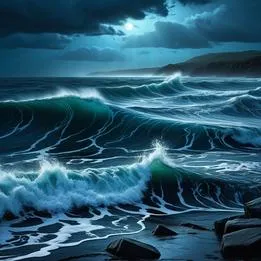
The immense, cyclical power of ocean tides, representing natural rhythms, overwhelming change, and the pull between opposing forces.

Common Appearances & Contexts

Context Emotion Interpretation
Watching tide Awe Observing life's rhythms.
Caught in tide Panic Feeling overwhelmed by change.
Riding tidal wave Exhilaration Harnessing powerful energy.
Tide receding Loss Energy or opportunity fading.
Moon controlling tide Fascination Hidden influences at work.
Tidepool discovery Curiosity Exploring hidden aspects of self.
Tide turning Hope Situation beginning to shift.
Tidal bore Anticipation A powerful change approaching.
Tide resisting Frustration Struggling against natural flow.
Tide harmonizing Peace Aligning with natural cycles.
Tide eroding shore Anxiety Foundations being worn away.
Predicting tides Control Understanding patterns of life.

Interpretive Themes

Cultural Lenses

Jungian Perspective

View Context →

Represents the collective unconscious—its vast, rhythmic, and overwhelming nature. Symbolizes archetypal forces that pull the psyche, like the tension between conscious and unconscious. Modernly, it can indicate being swept by societal or psychic currents.

Freudian Perspective

View Context →

Often symbolizes repressed sexual energy or libido, with its rhythmic, surging, and sometimes overwhelming qualities. The 'pull' may represent unconscious desires or childhood impulses breaking into consciousness. Modern context: internal drives conflicting with societal norms.

Gestalt Perspective

View Context →

Seen as a projection of the dreamer's own rhythmic forces—perhaps their energy levels, emotional cycles, or the push-pull of internal conflicts. The dreamer is asked, 'What part of you is the tidal force?' to integrate this power.

Cognitive Perspective

View Context →

May reflect the mind's attempt to process overwhelming information, cyclical stressors, or the brain's natural rhythms (like sleep cycles). In modern life, it can symbolize information overload or the relentless pace of change.

Evolutionary Perspective

View Context →

Could tap into ancient fears or awe of natural forces critical for survival—tracking tides for food/safety. Symbolizes adaptive responses to predictable yet powerful environmental cycles. Modernly, may relate to navigating social or work rhythms.

East Asian Perspective

View Context →

In Taoism and traditional thought, represents the natural flow of Qi or the Tao—the balance of Yin (receding) and Yang (advancing). Historically linked to lunar cycles and imperial harmony. Modernly, symbolizes going with life's flow or economic cycles.

European Perspective

View Context →

In Celtic and Norse traditions, tides were seen as the breath of sea gods or giants, symbolizing fate and uncontrollable destiny. In modern Western culture, it often represents emotional turbulence, the passage of time, or climate change anxieties.

Oceanian Perspective

View Context →

For Pacific Islanders and Māori, tides are vital for navigation and survival, often personified in myths as ancestors or deities. Symbolizes connection to ancestors, knowledge of natural signs, and respect for immense, life-giving power. Modern context: environmental stewardship.

African Perspective

View Context →

In some coastal West African traditions, tides are linked to deities like Olokun (Yoruba) or Mami Wata, representing wealth, emotion, and the unknown depths of the spirit world. Symbolizes the cyclical nature of life, death, and spiritual communication.

South Asian Perspective

View Context →

In Hindu cosmology, tides may symbolize the cosmic cycles of creation and destruction (like the breaths of Vishnu), or the pull of karma and samsara. The Ganges' tides are ritually significant. Modernly, can represent the ebb and flow of dharma or societal change.

Middle Eastern Perspective

View Context →

In ancient Mesopotamian and Islamic contexts, tides were less central but could symbolize divine power over nature (Allah's command over the sea) or the cyclical nature of fate (dahr). In modern interpretations, may represent geopolitical or economic shifts.

Global/Universal Perspective

View Context →

A near-universal symbol of natural rhythm, overwhelming power, and cyclical change. Historically, coastal cultures worldwide revered tides for sustenance and danger. Modernly, it's a potent metaphor for emotional states, societal forces, and environmental concerns like rising seas.

AI-Powered

Interpret Your Full Dream

Beyond this symbol, every dream carries a unique story. Share your dream for a personalized AI-powered interpretation.