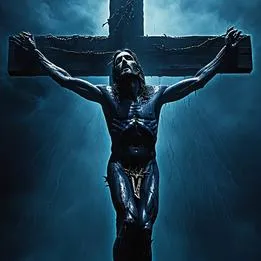
Stigmata Dream Meaning
Spontaneous appearance of wounds resembling those of Christ's crucifixion, often interpreted as a sign of divine connection, suffering, or spiritual transformation.
Common Appearances & Contexts
| Context | Emotion | Interpretation |
|---|---|---|
| Receiving stigmata | Ecstatic | Divine election experience |
| Hiding stigmata | Fearful | Social rejection anxiety |
| Healing stigmata | Relieved | End of suffering phase |
| Bleeding publicly | Exposed | Vulnerability as spectacle |
| Others witnessing | Judged | Social scrutiny intensifies |
| Pain without wounds | Confused | Invisible suffering manifested |
| Stigmata fading | Peaceful | Spiritual journey completion |
| Multiple stigmata | Overwhelmed | Intense spiritual burden |
| Stigmata in mirror | Shocked | Sudden self-recognition |
| Medical examination | Violated | Sacred made clinical |
| Stigmata spreading | Terrified | Loss of bodily control |
| Stigmata as gift | Humbled | Unearned spiritual blessing |
Interpretive Themes
Sacrificial Suffering
highLinks personal pain to redemptive meaning.
Divine Connection
highBody as vessel for transcendent experience.
Identity Transformation
mediumOld self dies, new spiritual identity emerges.
Mystical Embodiment
mediumInvisible faith becomes tangible through body.
Victimhood & Power
lowWeakness becomes source of spiritual authority.
Cultural Lenses
Jungian Perspective
View Context →Archetypal manifestation of the wounded healer, representing individuation through suffering. The body becomes canvas for collective unconscious imagery, integrating Christ archetype into personal psyche for wholeness.
Freudian Perspective
View Context →Hysterical conversion symptom expressing repressed guilt, sexual anxiety, or death wishes through somatic displacement. Wounds symbolize punishment fantasies or identification with crucified father figure.
Gestalt Perspective
View Context →Bodily expression of unfinished emotional business. The wounds represent parts of self needing integration - perhaps unexpressed pain, martyr tendencies, or longing for spiritual connection made physically present.
Cognitive Perspective
View Context →Somatic manifestation of deeply held beliefs about suffering and divinity. The brain's expectation of wounds creates physiological responses through mind-body connection, reinforced by attention and cultural narratives.
Evolutionary Perspective
View Context →Costly signaling of extreme commitment to religious group. Visible suffering demonstrates unfakeable devotion, increasing status within community while potentially indicating underlying health issues or stress responses.
European Perspective
View Context →Deeply rooted in Catholic mysticism, particularly medieval female saints like Catherine of Siena. Represents direct communion with divine, often associated with Eucharistic devotion, penance, and validation of female spiritual authority.
Middle Eastern Perspective
View Context →In Christian communities, seen as miraculous sign of holiness. In Islamic context, sometimes viewed as karāmāt (divine gifts) to saints, though crucifixion wounds specifically remain primarily Christian symbol with complex interfaith implications.
Latin American Perspective
View Context →Blends indigenous concepts of sacred wounds with Catholic mysticism. Often associated with popular saints and contemporary visionaries, representing both colonial suffering and resistance through spiritual empowerment of marginalized bodies.
Modern Western Perspective
View Context →Medicalized as psychosomatic disorder (stigmatization) or factitious disorder, while simultaneously romanticized in fiction. Represents tension between scientific skepticism and enduring fascination with mystical embodiment.
Global/Universal Perspective
View Context →Cross-cultural phenomenon of sacred wounds appearing on devotees' bodies. From Shiva devotees' ash marks to Buddhist monks' blood tears, represents universal human capacity for psychosomatic spiritual expression through bodily suffering.
East Asian Perspective
View Context →In Christian minorities, rare but significant. More broadly resonates with concepts of karmic suffering or qi imbalance manifesting physically. Sometimes compared to Buddhist self-mummification as extreme ascetic practice.
African Perspective
View Context →In African Christianity, often interpreted within deliverance theology as either divine sign or demonic attack. Blends traditional concepts of bodily spiritual manifestations with Pentecostal frameworks of spiritual warfare and healing.
Interpret Your Full Dream
Beyond this symbol, every dream carries a unique story. Share your dream for a personalized AI-powered interpretation.