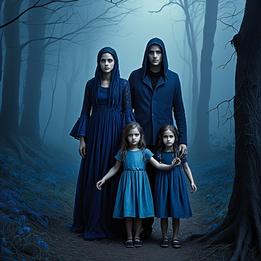
Stepchild
Represents complex family dynamics, feelings of being an outsider, or unresolved emotional attachments. Often symbolizes blended relationships and secondary status.
Stepchild Dream Meaning
Represents complex family dynamics, feelings of being an outsider, or unresolved emotional attachments. Often symbolizes blended relationships and secondary status.
Interpretive Themes
Cultural Lenses
Jungian Perspective
View Context →Represents the 'shadow family' or unintegrated aspects of the psyche. Symbolizes parts of oneself that feel unloved or rejected, requiring conscious integration for wholeness.
Freudian Perspective
View Context →Manifests Oedipal conflicts or unresolved parental attachments. May represent forbidden desires or competition for parental affection in the family dynamic.
Gestalt Perspective
View Context →Projects feelings of being 'not quite part of' something. Represents disowned parts of self or relationships where boundaries feel unclear or contested.
Cognitive Perspective
View Context →Reflects schemas about belonging and worth. May indicate cognitive distortions about family roles or processing of complex social relationships during sleep.
Evolutionary Perspective
View Context →Taps into ancient concerns about resource allocation in blended groups. Reflects adaptive anxieties about kinship, inheritance, and survival in non-biological family units.
Global/Universal Perspective
View Context →Cross-cultural symbol of complex kinship. Historically significant in inheritance laws and social status, now represents modern family diversity and identity challenges worldwide.
East Asian Perspective
View Context →In Confucian traditions, emphasizes hierarchical family roles. Stepchildren historically had ambiguous status in patrilineal systems, though modern attitudes are evolving with changing family structures.
European Perspective
View Context →Historically tied to inheritance disputes in monarchies and aristocracy. In folklore, often portrayed as mistreated (Cinderella archetype), reflecting deep cultural narratives about fairness and belonging.
Modern Western Perspective
View Context →Reflects complexities of divorce, remarriage, and blended families. Represents contemporary struggles with identity, loyalty conflicts, and navigating multiple parental relationships in individualistic societies.
African Perspective
View Context →In many traditional societies, extended family absorption was common. Stepchildren might be fully integrated into kinship networks, though modern urbanization introduces new challenges to these systems.
Middle Eastern Perspective
View Context →Historically significant in polygamous family structures and inheritance laws. Modern interpretations balance traditional family values with evolving social norms about parental responsibility and child welfare.
Latin American Perspective
View Context →In extended family cultures (familismo), stepchildren may find both challenges and support networks. Reflects tensions between traditional Catholic family ideals and modern realities of divorce and remarriage.
Want a deeper analysis?
Get a personalized interpretation of your entire dream including this symbol.
Interpret My DreamCommon Appearances & Contexts
| Context | Emotion | Interpretation |
|---|---|---|
| Context Family gathering | Emotion Anxiety | Interpretation Feeling excluded. |
| Context Inheritance dispute | Emotion Anger | Interpretation Unfair treatment. |
| Context Parental rejection | Emotion Sadness | Interpretation Emotional abandonment. |
| Context New sibling | Emotion Jealousy | Interpretation Competition for love. |
| Context Step-parent arrival | Emotion Fear | Interpretation Displacement anxiety. |
| Context Family portrait | Emotion Loneliness | Interpretation Not fitting in. |
| Context Legal proceedings | Emotion Insecurity | Interpretation Uncertain rights. |
| Context Childhood home | Emotion Nostalgia | Interpretation Mixed memories. |
| Context Parental favoritism | Emotion Resentment | Interpretation Perceived injustice. |
| Context Family traditions | Emotion Confusion | Interpretation Role ambiguity. |
| Context Step-sibling conflict | Emotion Frustration | Interpretation Rivalry tensions. |
| Context Parental illness | Emotion Worry | Interpretation Caregiving concerns. |
Interpret Your Full Dream
Beyond this symbol, every dream carries a unique story. Share your dream for a personalized AI-powered interpretation.