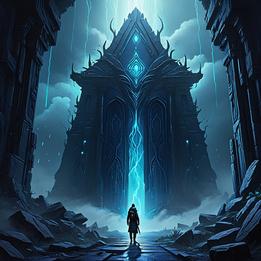
Respawn
A video game mechanic allowing a player to return to play after defeat, symbolizing second chances, resilience, and the cycle of life and death.
Respawn Dream Meaning
A video game mechanic allowing a player to return to play after defeat, symbolizing second chances, resilience, and the cycle of life and death.
Interpretive Themes
Mythological Resonance
Osiris
EgyptianDismembered and resurrected as lord of the underworld, embodying death and rebirth as fundamental cosmic cycle.
Phoenix
ChristianThe mythical bird that cyclically regenerates, rising from its own ashes renewed and transformed.
Cultural Lenses
Jungian Perspective
View Context →Archetype of rebirth and the individuation process. The 'hero' dies and is reborn, integrating the shadow. Symbolizes the psyche's capacity for renewal and transformation toward wholeness.
Freudian Perspective
View Context →May represent the death drive (Thanatos) interrupted by the life instinct (Eros), or a wish-fulfillment denying the finality of castration anxiety or punishment, offering narcissistic restoration.
Gestalt Perspective
View Context →The dreamer is all parts: the one who dies, the force that respawns, and the new self. Examines the dreamer's relationship with endings, persistence, and self-forgiveness in the here and now.
Cognitive Perspective
View Context →Mental simulation of problem-solving and failure recovery. The brain rehearses resilience strategies, updating schemas about setbacks to reduce threat perception and reinforce a growth mindset.
Evolutionary Perspective
View Context →Simulates survival scenarios, practicing threat assessment and recovery from 'death' to reduce anxiety. Reinforces adaptive behaviors for persistence and learning from mistakes in a safe, mental space.
East Asian Perspective
View Context →Echoes Buddhist and Daoist concepts of Samsara (cycle of rebirth) and continuous transformation (Wu Wei). Modern context blends this with gaming culture, viewing effort and repetition as a path to mastery.
South Asian Perspective
View Context →Directly mirrors Hindu and Buddhist doctrines of reincarnation (Samsara) and karma. A respawn is a new life shaped by past actions, emphasizing the soul's journey and the opportunity for spiritual progress.
Middle Eastern Perspective
View Context →In Abrahamic contexts, resonates with themes of resurrection and divine judgment. In modern secular settings, it may symbolize societal or personal renewal after conflict or hardship, a 'phoenix' narrative.
European Perspective
View Context →Draws from pagan cycles of seasons and Christian resurrection, alongside literary motifs of the hero's return. Modern interpretation is heavily filtered through the pervasive influence of digital gaming culture.
African Perspective
View Context →Connects to ancestral veneration and beliefs in a cyclical relationship between the living, dead, and unborn. Respawning can symbolize the return of ancestral spirit or the continuity of the community.
North American Perspective
View Context →Strongly tied to the 'second chance' ethos and self-reinvention. In its modern, gamified form, it reflects a cultural emphasis on resilience, optimism, and the democratization of opportunity through technology.
Modern Western Perspective
View Context →A quintessential digital-age symbol of mitigated consequence, instant gratification, and gamified learning. It shapes attitudes toward failure in work and life, promoting persistence but potentially devaluing stakes.
Historical Authorities
Want a deeper analysis?
Get a personalized interpretation of your entire dream including this symbol.
Interpret My DreamThe Oracle's Prediction
Combine multiple symbolsA significant personal transformation or awakening after a period of difficulty.
Timeframe
Seasonal (~3 Months)
Intensity
Deep
A second chance or recovery from a professional setback.
Timeframe
Lunation (~29 Days)
Intensity
Deep
Common Appearances & Contexts
| Context | Emotion | Interpretation |
|---|---|---|
| Context After a loss | Emotion Determined | Interpretation Ready to try again. |
| Context Watching others respawn | Emotion Envious | Interpretation Desiring their resilience. |
| Context Unable to respawn | Emotion Despair | Interpretation Fear of finality. |
| Context Respawning repeatedly | Emotion Frustrated | Interpretation Stuck in a loop. |
| Context Choosing not to respawn | Emotion Accepting | Interpretation Embracing an ending. |
| Context Respawning stronger | Emotion Empowered | Interpretation Growth from failure. |
| Context Respawning in a new place | Emotion Hopeful | Interpretation Fresh start offered. |
| Context Forced to respawn | Emotion Resentful | Interpretation Lack of control. |
| Context Guiding someone to respawn | Emotion Compassionate | Interpretation Offering support. |
| Context Respawning instantly | Emotion Relieved | Interpretation Quick recovery possible. |
| Context Respawning with a cost | Emotion Anxious | Interpretation Second chance has price. |
| Context Respawning as someone else | Emotion Curious | Interpretation Identity transformation. |
Interpret Your Full Dream
Beyond this symbol, every dream carries a unique story. Share your dream for a personalized AI-powered interpretation.