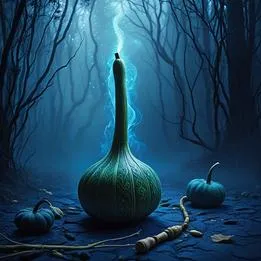
Rattle Gourd Dream Meaning
A sacred instrument used in rituals, ceremonies, and healing practices across cultures, symbolizing spiritual connection, purification, and communication with the divine.
Common Appearances & Contexts
| Context | Emotion | Interpretation |
|---|---|---|
| Holding rattle | Empowered | Personal spiritual authority. |
| Rattle breaking | Anxious | Disrupted connection. |
| Shaking rattle | Focused | Active spiritual work. |
| Receiving rattle | Blessed | Spiritual gift. |
| Ancient ceremony | Awed | Timeless tradition. |
| Modern healing session | Hopeful | Contemporary spiritual practice. |
| Teaching with rattle | Responsible | Passing knowledge. |
| Lost rattle | Disconnected | Spiritual disorientation. |
| Multiple rattles | Overwhelmed | Many spiritual paths. |
| Silent rattle | Frustrated | Blocked communication. |
| Gourd growing | Patient | Spiritual development. |
| Decorating rattle | Creative | Personalizing spirituality. |
Interpretive Themes
Cultural Lenses
Jungian Perspective
View Context →Archetypal symbol of the Self's rhythm, representing individuation process. The sound connects conscious and unconscious, while the gourd symbolizes containment of psychic energy and spiritual growth.
Freudian Perspective
View Context →Phallic symbol representing sexual energy and primal rhythms. The shaking motion suggests repressed desires or childhood memories, while the hollow interior symbolizes womb or maternal connection.
Gestalt Perspective
View Context →Represents the dreamer's need for expression or communication. The rattle's parts (gourd, seeds, handle) symbolize different aspects of self needing integration through active engagement with environment.
Cognitive Perspective
View Context →Memory trigger for ritual or ceremony experiences. The sound creates neural patterns associated with spiritual states, while the object serves as cognitive anchor for belief systems and cultural programming.
Evolutionary Perspective
View Context →Primitive tool for group cohesion and threat detection. Rhythmic sound triggers ancient brain responses for social bonding, while the instrument represents early human need for ritual and community safety.
African Perspective
View Context →Essential in ancestral communication and healing ceremonies across many traditions. Used by shamans to call spirits, diagnose illness, and mark ritual transitions, embodying community spiritual heritage.
Latin American Perspective
View Context →Central in curanderismo and indigenous ceremonies for cleansing and protection. Often combined with herbs in healing rituals, representing syncretic blend of indigenous and colonial spiritual practices.
North American Perspective
View Context →Sacred in many Native American traditions for prayer, healing, and ceremony. Different tribes have specific designs and uses, often representing connection to earth and ancestral wisdom in contemporary cultural revival.
South Asian Perspective
View Context →Used in tantric and folk traditions for ritual purification and deity invocation. Sometimes associated with Shiva's damaru, representing cosmic sound and creation/destruction cycles in spiritual practice.
Modern Western Perspective
View Context →Adopted in New Age and holistic healing practices for meditation and energy work. Often divorced from cultural context, representing individual spiritual exploration and alternative wellness movements.
Global/Universal Perspective
View Context →Cross-cultural symbol of ritual sound and spiritual communication. Found in shamanic traditions worldwide, representing human universal need for sacred instruments in connecting with transcendent realms.
East Asian Perspective
View Context →Less common but present in some folk traditions and Buddhist rituals for purification. Sometimes used in folk healing to drive away evil spirits, representing protective spiritual functions.
Interpret Your Full Dream
Beyond this symbol, every dream carries a unique story. Share your dream for a personalized AI-powered interpretation.