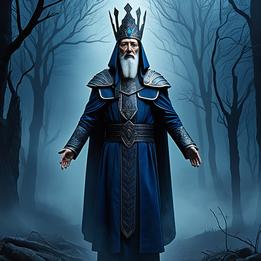
Patriarch
A male authority figure representing traditional leadership, family structure, and societal hierarchy. Often symbolizes control, protection, or inherited systems.
Patriarch Dream Meaning
A male authority figure representing traditional leadership, family structure, and societal hierarchy. Often symbolizes control, protection, or inherited systems.
Interpretive Themes
Cultural Lenses
Global/Universal Perspective
View Context →Universal symbol of male authority and family leadership across human societies. Historically central to kinship systems, now evolving with gender equality movements while retaining psychological significance.
Jungian Perspective
View Context →Archetype of the Wise Old Man or Father principle. Represents logos, order, and consciousness. Shadow aspects include tyranny and rigidity. Integration brings wisdom and structure to the psyche.
Freudian Perspective
View Context →Oedipal father figure representing superego and societal prohibitions. Dreams may reveal unresolved father conflicts, castration anxiety, or internalized authority struggles from childhood development.
Gestalt Perspective
View Context →Projection of internal authority or control aspects. The patriarch represents parts of self needing integration - perhaps rigid rules or protective instincts. Dialogue reveals self-relationship.
Cognitive Perspective
View Context →Mental schema for authority and hierarchy processing. Dreams organize experiences with power figures, rehearsing social navigation or consolidating beliefs about leadership and responsibility.
Evolutionary Perspective
View Context →Adaptive concern with hierarchy and resource control. Patriarch dreams may process status competition, alliance formation, or kin protection instincts fundamental to human social survival strategies.
East Asian Perspective
View Context →Confucian filial piety ideal emphasizing respect for elders and family harmony. Historically central to social order, now balancing tradition with modernization while retaining cultural reverence for patriarchal wisdom.
South Asian Perspective
View Context →Dharma-based householder ideal in Hindu tradition. The patriarch maintains family rituals, economic stability, and social standing. Modern tensions between traditional authority and individual aspirations.
Middle Eastern Perspective
View Context →Bedouin and tribal leadership traditions emphasizing honor, protection, and family unity. Patriarch as mediator and decision-maker, now navigating between religious traditions and contemporary social changes.
European Perspective
View Context →Historical feudal and monarchical authority structures. Enlightenment challenged divine right, but patriarchal symbolism persists in institutions. Modern focus on deconstructing patriarchal systems in social critique.
African Perspective
View Context →Elder wisdom and communal leadership in many traditions. Patriarch as keeper of oral history and cultural continuity. Contemporary renegotiation of authority within post-colonial and urban contexts.
Modern Western Perspective
View Context →Often critiqued as oppressive system in feminist and queer theory. Yet also valued for stability in fragmented societies. Dreams reflect ambivalence toward traditional authority in individualistic culture.
Want a deeper analysis?
Get a personalized interpretation of your entire dream including this symbol.
Interpret My DreamCommon Appearances & Contexts
| Context | Emotion | Interpretation |
|---|---|---|
| Context Family gathering | Emotion Comfort | Interpretation Stability and belonging. |
| Context Conflict with patriarch | Emotion Anger | Interpretation Power struggle emerging. |
| Context Patriarch giving advice | Emotion Relief | Interpretation Seeking guidance. |
| Context Patriarch absent | Emotion Anxiety | Interpretation Lack of structure. |
| Context Challenging patriarch | Emotion Courage | Interpretation Asserting independence. |
| Context Patriarch ill/dying | Emotion Fear | Interpretation System collapse fear. |
| Context Becoming patriarch | Emotion Pride | Interpretation Assuming responsibility. |
| Context Patriarch disapproving | Emotion Shame | Interpretation Failing expectations. |
| Context Multiple patriarchs | Emotion Confusion | Interpretation Conflicting authorities. |
| Context Ancient patriarch | Emotion Awe | Interpretation Timeless wisdom. |
| Context Patriarch transforming | Emotion Wonder | Interpretation Evolving authority. |
| Context Patriarch as child | Emotion Amusement | Interpretation Authority vulnerability. |
Interpret Your Full Dream
Beyond this symbol, every dream carries a unique story. Share your dream for a personalized AI-powered interpretation.