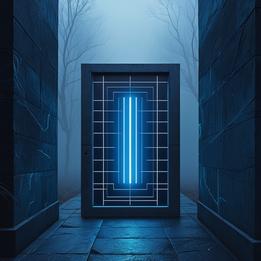
Panel
A flat, often rectangular architectural element representing boundaries, divisions, or surfaces for display and interaction.
Panel Dream Meaning
A flat, often rectangular architectural element representing boundaries, divisions, or surfaces for display and interaction.
Interpretive Themes
Separation and Boundaries
highMay indicate compartmentalization or protection.
Interface and Communication
highSuggests connection points or information flow.
Control and Authority
mediumCould reflect desire for order or power.
Fragmentation and Wholeness
mediumMay symbolize integration or disintegration.
Acceptance
lowOften relates to performance anxiety.
Cultural Lenses
Jungian Perspective
View Context →Represents the persona—the social mask presented to the world. Historically seen in ritual masks; modernly reflects identity management and social adaptation.
Freudian Perspective
View Context →Symbolizes repression or barriers between conscious and unconscious. Historically linked to taboos; modernly represents psychological defenses and hidden desires.
Gestalt Perspective
View Context →The figure-ground relationship—what stands out versus background. Historically in perception studies; modernly about focus and what commands attention in experience.
Cognitive Perspective
View Context →Mental schemas or frameworks for processing information. Historically from cognitive psychology; modernly relates to mental organization and problem-solving structures.
Evolutionary Perspective
View Context →Adaptive structures for shelter or tool use. Historically for survival; modernly symbolizes environmental mastery and technological adaptation.
East Asian Perspective
View Context →In traditional architecture, sliding panels (shoji) represent harmony with nature and flexibility. Modernly, they symbolize adaptability and the flow between public and private spaces.
European Perspective
View Context →Wooden panels in medieval halls denoted status and protection. Modernly, they symbolize heritage, craftsmanship, and social stratification in interior design.
Middle Eastern Perspective
View Context →Ornate panels in mosques and palaces reflect divine geometry and barrier between sacred/profane. Modernly, they represent spiritual boundaries and artistic devotion.
African Perspective
View Context →Carved panels in communal spaces tell ancestral stories and enforce social norms. Modernly, they symbolize cultural memory and collective identity in diaspora art.
Latin American Perspective
View Context →Retablos (devotional panels) blend indigenous and Catholic traditions for protection. Modernly, they represent syncretism and personal appeals to higher powers in folk art.
Modern Western Perspective
View Context →Digital panels (screens, dashboards) mediate reality and control. Historically from industrialization; now symbolize information overload, connectivity, and interface dependency.
Global/Universal Perspective
View Context →Basic architectural element for division and display across cultures. Historically for shelter and ritual; modernly a universal symbol of human-made boundaries and interaction surfaces.
Want a deeper analysis?
Get a personalized interpretation of your entire dream including this symbol.
Interpret My DreamCommon Appearances & Contexts
| Context | Emotion | Interpretation |
|---|---|---|
| Context Broken panel | Emotion Anxious | Interpretation Loss of control. |
| Context Touching panel | Emotion Curious | Interpretation Exploring boundaries. |
| Context Panel discussion | Emotion Exposed | Interpretation Being judged publicly. |
| Context Control panel | Emotion Powerful | Interpretation Mastery over environment. |
| Context Hidden panel | Emotion Intrigued | Interpretation Discovering secrets. |
| Context Solar panel | Emotion Hopeful | Interpretation Harnessing energy. |
| Context Panel wall | Emotion Confined | Interpretation Feeling trapped. |
| Context Art panel | Emotion Inspired | Interpretation Creative expression. |
| Context Removing panel | Emotion Liberated | Interpretation Breaking barriers. |
| Context Panel door | Emotion Anticipatory | Interpretation Transition awaiting. |
| Context Panel missing | Emotion Vulnerable | Interpretation Lack of protection. |
| Context Panel assembly | Emotion Productive | Interpretation Building structure. |
Interpret Your Full Dream
Beyond this symbol, every dream carries a unique story. Share your dream for a personalized AI-powered interpretation.