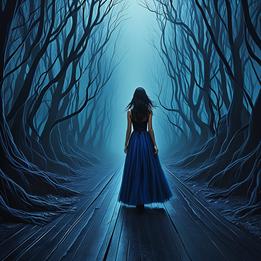
Pacing
A rhythmic, repetitive movement often indicating anxiety, anticipation, or creative process in artistic contexts.
Pacing Dream Meaning
A rhythmic, repetitive movement often indicating anxiety, anticipation, or creative process in artistic contexts.
Interpretive Themes
Mythological Resonance
Prometheus
GreekChained to a rock, pacing eternity as punishment for bringing fire to humanity, embodying the restless tension between creation and consequence.
Odin
NorsePaced for nine nights on the World Tree Yggdrasil, sacrificing himself to gain wisdom, representing the ritual pacing of transformation.
Cultural Lenses
Jungian Perspective
View Context →Pacing represents the tension between conscious artistic creation and unconscious archetypal patterns. The rhythmic movement symbolizes the individuation process in creative work, where the artist mediates between personal expression and collective unconscious influences.
Freudian Perspective
View Context →Pacing signifies sublimated sexual energy redirected into artistic production. The repetitive motion represents unresolved childhood conflicts manifesting as creative anxiety, with the physical movement serving as displacement activity for repressed desires.
Gestalt Perspective
View Context →Pacing is the foreground expression of unfinished artistic business. The movement represents the tension between what the artist wants to create and what remains unexpressed, with each step marking incremental progress toward creative completion.
Cognitive Perspective
View Context →Pacing serves as cognitive offloading during creative problem-solving. The rhythmic movement helps regulate emotional arousal while freeing cognitive resources for artistic decision-making, acting as a physical manifestation of mental processing.
Evolutionary Perspective
View Context →Pacing represents ritualized displacement behavior evolved from predator vigilance. In artistic contexts, it serves as adaptive anxiety management, with rhythmic movement reducing stress hormones while maintaining alertness for creative opportunities.
East Asian Perspective
View Context →In traditional Chinese theater, pacing (duó bù) is a disciplined movement form representing emotional states through controlled steps. Modern interpretations view it as meditation in motion, balancing creative energy (qi) through rhythmic physical expression.
European Perspective
View Context →Historically associated with Romantic era artists' creative torment, pacing symbolizes the tortured genius trope. Contemporary European theater views it as Stanislavski's 'physical action' technique, where movement externalizes internal artistic conflicts.
Modern Western Perspective
View Context →Pacing is normalized as creative process behavior, often reframed as 'productive fidgeting.' In performance arts, it's studied as pre-show ritual that regulates arousal levels, with some artists intentionally incorporating it into their creative practice.
African Perspective
View Context →In many African performance traditions, pacing incorporates ancestral rhythmic patterns. The movement connects contemporary artists to oral history traditions, with specific footwork patterns encoding cultural memory and serving as creative invocation rituals.
Middle Eastern Perspective
View Context →In Sufi-inspired artistic practices, pacing represents spiritual preparation through rhythmic movement. The repetitive steps induce trance-like states conducive to creative inspiration, blending artistic and devotional practices in traditional performance contexts.
Latin American Perspective
View Context →Pacing incorporates indigenous and colonial movement syncretism. In magical realism traditions, it represents the artist's navigation between reality and imagination, with specific pacing patterns used in preparation for creative trance states.
Global/Universal Perspective
View Context →Across cultures, pacing universally represents the physical manifestation of creative tension. While specific interpretations vary, the rhythmic movement consistently symbolizes the transition from internal artistic conception to external expression, serving as cross-cultural creative ritual.
Historical Authorities
Want a deeper analysis?
Get a personalized interpretation of your entire dream including this symbol.
Interpret My DreamThe Oracle's Prediction
Combine multiple symbolsA creative breakthrough or performance opportunity requiring intense preparation.
Timeframe
Lunation (~29 Days)
Intensity
Deep
Common Appearances & Contexts
| Context | Emotion | Interpretation |
|---|---|---|
| Context Backstage waiting | Emotion Anxious | Interpretation Performance anticipation builds. |
| Context Composing music | Emotion Frustrated | Interpretation Creative block manifests physically. |
| Context Rehearsal space | Emotion Focused | Interpretation Artistic concentration embodied. |
| Context Audition room | Emotion Nervous | Interpretation Judgment anxiety surfaces. |
| Context Recording studio | Emotion Impatient | Interpretation Creative timing pressure. |
| Context Gallery opening | Emotion Restless | Interpretation Artistic reception anxiety. |
| Context Writing session | Emotion Stuck | Interpretation Writer's block physicalized. |
| Context Dance rehearsal | Emotion Determined | Interpretation Choreographic problem-solving. |
| Context Concert hall | Emotion Excited | Interpretation Pre-show energy release. |
| Context Artist's studio | Emotion Contemplative | Interpretation Creative decision-making process. |
| Context Film set | Emotion Anticipatory | Interpretation Scene preparation ritual. |
| Context Poetry reading | Emotion Apprehensive | Interpretation Vulnerability before sharing. |
Interpret Your Full Dream
Beyond this symbol, every dream carries a unique story. Share your dream for a personalized AI-powered interpretation.