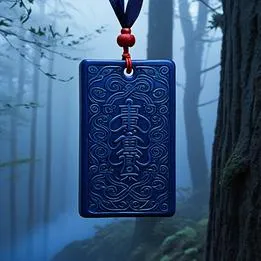
Omamori Charm Dream Meaning
A Japanese amulet for protection, luck, or specific blessings, typically purchased at Shinto shrines or Buddhist temples.
Common Appearances & Contexts
| Context | Emotion | Interpretation |
|---|---|---|
| Receiving an omamori | Grateful | Blessing or guidance received. |
| Losing an omamori | Anxious | Fear of lost protection. |
| A damaged omamori | Guilty | Belief protection was exhausted. |
| Buying an omamori | Hopeful | Actively seeking improvement. |
| Giving an omamori | Caring | Wishing well for another. |
| An old omamori | Nostalgic | Connection to past self. |
| Many omamori | Overwhelmed | Multiple concerns or desires. |
| A forbidden omamori | Tempted | Seeking illicit advantage. |
| Omamori not working | Doubtful | Questioning faith or method. |
| Returning an omamori | Relieved | Completing a cycle, gratitude. |
| A glowing omamori | Awed | Direct spiritual presence felt. |
| Omamori from stranger | Cautious | Uncertainty about unknown influence. |
Interpretive Themes
Protection
highCore function of most omamori.
Hope and Aspiration
highTied to specific wishes (e.g., exams, love).
Connection to the Sacred
mediumCharm is consecrated at a shrine.
Ancestral Tradition
mediumPassed down or purchased ritually.
Personal Agency in Fate
lowChoosing and carrying the charm.
Cultural Lenses
Global/Universal Perspective
View Context →Represents the universal human desire for talismanic protection and agency over luck, a physical object embodying hope against life's uncertainties.
Jungian Perspective
View Context →A symbol of the Self or the transcendent function, integrating consciousness with the protective, guiding wisdom of the unconscious. It may represent a mana-charged object from the collective unconscious.
East Asian Perspective
View Context →In Japan, a consecrated Shinto/Buddhist amulet for specific blessings (safety, exams, love). Historically, paper or wood charms; modern ones are cloth pouches. Ritually returned to the shrine after a year.
South Asian Perspective
View Context →Analogous to a 'taweez' (Islamic amulet) or 'kavacha' (Hindu protective charm)—blessed inscriptions or objects worn for divine protection, health, or warding off evil eye, deeply embedded in folk practice.
Middle Eastern Perspective
View Context →Similar to the 'hamsa' hand or verses from the Quran carried for protection ('hirz'). Represents faith as a shield against harm and the evil eye, blending religious piety with daily life.
European Perspective
View Context →Echoes medieval Christian relics, pilgrim badges, or St. Christopher medals—blessed objects carried for saintly intercession and protection during travel or danger, merging folk belief with orthodox religion.
African Perspective
View Context →Resonates with protective 'gris-gris' bags or spirit-inhabited objects in various traditions. They are consecrated by ritual experts for safety, luck, or spiritual power, acting as a conduit to ancestral forces.
North American Perspective
View Context →In some Indigenous traditions, resembles medicine bundles or protective charms made of sacred materials. In modern secular context, often viewed as a souvenir or decorative lucky charm.
Latin American Perspective
View Context →Parallels to milagros (ex-votos) or protective saints' medals. Represents a tangible pact with the divine for specific favors or protection, central to syncretic folk Catholicism and spiritual practices.
Modern Western Perspective
View Context →Often aestheticized or commodified as a fashion accessory or mindfulness totem. May symbolize a personal 'ritual' for mental comfort, anxiety reduction, or connection to perceived Japanese minimalism and wellness culture.
Freudian Perspective
View Context →A phallic or womb-like symbol representing subconscious desires for security and wish-fulfillment. Its pouch form may symbolize containment of anxiety or repressed wishes for omnipotent protection.
Gestalt Perspective
View Context →The dreamer's projection of their need for support or self-generated luck. The omamori is an aspect of the self—the part that believes in external aid or creates its own protective boundaries.
Cognitive Perspective
View Context →Represents a cognitive schema for 'controlled luck' or a coping mechanism for uncertainty. The brain uses it as a tangible focus to reduce anxiety and reinforce positive outcome expectations through ritualistic association.
Evolutionary Perspective
View Context →A modern manifestation of an ancient adaptive trait: the use of superstitious objects to reduce anxiety about uncontrollable threats (predators, illness), promoting risk-averse behavior and group cohesion through shared ritual.
Interpret Your Full Dream
Beyond this symbol, every dream carries a unique story. Share your dream for a personalized AI-powered interpretation.