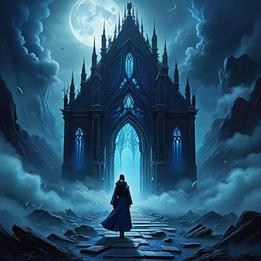
Modality
In arts and music, modality refers to systems of organizing tones, scales, or modes, often evoking distinct emotional atmospheres or cultural traditions.
Modality Dream Meaning
In arts and music, modality refers to systems of organizing tones, scales, or modes, often evoking distinct emotional atmospheres or cultural traditions.
Interpretive Themes
Structure and Freedom
highModality provides rules yet allows improvisation.
Cultural Identity
highModes often carry specific cultural signatures.
Emotional Atmosphere
mediumDifferent modes evoke varied emotional landscapes.
Transcendence
mediumModal music can suggest spiritual elevation.
Cultural Heritage
lowModes may represent inherited knowledge.
Mythological Resonance
Orpheus
GreekOrpheus used modal music to charm gods, animals, and stones, demonstrating music's power to create emotional atmospheres and transcend ordinary reality.
Ragas
HinduAncient Indian ragas are modal systems believed to evoke specific emotions, seasons, and times of day, connecting music to cosmic rhythms.
Cultural Lenses
Jungian Perspective
View Context →Represents archetypal patterns of the collective unconscious. Different modes correspond to psychological complexes or universal emotional states that transcend individual experience.
Freudian Perspective
View Context →Symbolizes structured expression of repressed desires. The tension between modal rules and improvisation reflects the ego mediating between id impulses and superego constraints.
Gestalt Perspective
View Context →Represents the whole being greater than parts. The dreamer's relationship to modality shows how they organize experience into meaningful patterns versus fragmented perceptions.
Cognitive Perspective
View Context →Reflects mental schemas for processing emotional information. Modal systems in dreams represent cognitive frameworks for organizing and interpreting affective experiences.
Evolutionary Perspective
View Context →Represents adaptive communication systems. Modal structures may echo ancient vocalizations used for social bonding, territory marking, or emotional signaling in human evolution.
Middle Eastern Perspective
View Context →In Maqam systems, modes carry specific emotional and spiritual meanings, used historically in religious rituals and court music, now preserved in classical and popular traditions.
European Perspective
View Context →Medieval church modes (Dorian, Phrygian etc.) structured sacred music, later evolving into major-minor system. Now associated with early music revival and folk traditions.
East Asian Perspective
View Context →In Chinese music, pentatonic modes reflect philosophical principles (yin-yang, five elements). Japanese modes like In scale evoke specific seasons and emotional states in traditional arts.
African Perspective
View Context →Complex modal systems in West African music serve social functions, with specific modes for rituals, storytelling, and community events, maintaining oral traditions through generations.
South Asian Perspective
View Context →Raga systems prescribe modes for times of day, seasons, and emotions, with spiritual dimensions in Hindu and Sufi traditions, now thriving in classical and film music.
Modern Western Perspective
View Context →Modal jazz (Miles Davis, John Coltrane) rebelled against tonal conventions, representing freedom and innovation. Now used in film scores to evoke specific atmospheres.
Global/Universal Perspective
View Context →Found in all musical traditions as fundamental organizing principle. Represents human need to structure sound meaningfully, balancing predictability with expressive variation across cultures.
Historical Authorities
Want a deeper analysis?
Get a personalized interpretation of your entire dream including this symbol.
Interpret My DreamThe Oracle's Prediction
Combine multiple symbolsA deepening connection to ancestral or cultural roots will emerge.
Timeframe
Seasonal (~3 Months)
Intensity
Deep
Common Appearances & Contexts
| Context | Emotion | Interpretation |
|---|---|---|
| Context Playing modal music | Emotion Joyful | Interpretation Creative expression flourishing |
| Context Hearing unfamiliar modes | Emotion Confused | Interpretation Navigating unknown emotional territory |
| Context Teaching modes | Emotion Empowered | Interpretation Sharing cultural knowledge |
| Context Modes shifting unexpectedly | Emotion Anxious | Interpretation Emotional stability threatened |
| Context Ancient modal chant | Emotion Awed | Interpretation Connecting to primal roots |
| Context Creating new mode | Emotion Inspired | Interpretation Innovating within tradition |
| Context Mode breaking down | Emotion Fearful | Interpretation Structure collapsing |
| Context Modal harmony resolving | Emotion Peaceful | Interpretation Finding emotional resolution |
| Context Forgetting a mode | Emotion Frustrated | Interpretation Losing cultural connection |
| Context Multiple modes clashing | Emotion Overwhelmed | Interpretation Conflicting identities present |
| Context Modal perfection achieved | Emotion Euphoric | Interpretation Artistic ideal realized |
| Context Mode transforming gradually | Emotion Hopeful | Interpretation Personal evolution occurring |
Interpret Your Full Dream
Beyond this symbol, every dream carries a unique story. Share your dream for a personalized AI-powered interpretation.