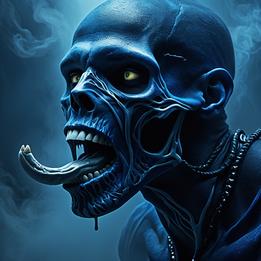
Mandible
The lower jawbone, symbolizing communication, consumption, aggression, and foundational strength in the self.
Mandible Dream Meaning
The lower jawbone, symbolizing communication, consumption, aggression, and foundational strength in the self.
Interpretive Themes
Communication & Expression
highIssues may indicate blocked expression.
Consumption & Assimilation
highRelates to digesting ideas or experiences.
Aggression & Defense
mediumCan symbolize repressed anger or need for boundaries.
Foundation & Structure
mediumRepresents core identity and resilience.
Control & Restraint
lowSuggests tension or forced composure.
Cultural Lenses
Jungian Perspective
View Context →Represents the archetype of the warrior or the shadow aspect of aggression. The mandible can symbolize the animus (masculine principle) in its assertive, structuring function. Historically linked to the jawbone of an ass as a weapon (Samson), it denotes raw, instinctual power that must be integrated consciously.
Freudian Perspective
View Context →Primarily associated with the oral stage of psychosexual development. The mandible symbolizes oral fixation, dependency, and unresolved needs from infancy. It can represent latent aggression (oral-sadistic phase) or a regression to passive, consuming desires. Modern context: stress-related oral habits like smoking or nail-biting.
Gestalt Perspective
View Context →The dreamer is the mandible. It represents a part of the self that bites, chews, or holds. What is it trying to consume or say? The symbol asks the dreamer to own their aggression, voice, or need to 'digest' an experience fully in the present moment.
Cognitive Perspective
View Context →A mental schema related to communication efficacy or threat response. Dreaming of the mandible may reflect waking-life cognitive preoccupations with being heard, asserting an argument, or anxieties about social consumption (criticism). It processes procedural memory related to speech or eating.
Evolutionary Perspective
View Context →A direct link to survival mechanisms: mastication for nourishment and the jaw as a vital tool for defense/aggression. The symbol taps into deep-seated fears of being unable to eat (starve) or fight (vulnerability). In modern context, it manifests as stress about resources or social standing.
Global/Universal Perspective
View Context →A near-universal symbol of sustenance, speech, and primal force. Historically, jawbones of animals or ancestors were used as tools, trophies, or ritual objects. In modern dreams, it commonly relates to the tension between the need to consume (resources, information) and the need to assert or defend.
East Asian Perspective
View Context →In traditional Chinese medicine and Taoist thought, the jaw is connected to the Stomach meridian, governing digestion of food and ideas. A strong jaw indicates good 'Earth' element energy (stability, nourishment). A weak or pained jaw suggests imbalance, inability to 'stomach' a situation, or gossip ('loose jaw').
European Perspective
View Context →Historically, in Norse and Celtic lore, the jaw was a seat of strength and ferocity (e.g., berserkers). In medieval Christian iconography, the gaping jaws of hell (Hellmouth) symbolized consumption by sin. Modern interpretation retains themes of moral fortitude, biting criticism, or being 'consumed' by work or worry.
African Perspective
View Context →In many traditions, the jawbone of powerful animals (lion, crocodile) is a potent charm for strength, protection, and authoritative speech. It can represent ancestral wisdom passed orally. A dreaming mandible may call attention to one's lineage, the power of one's word, or a need for spiritual 'nourishment' from elders.
North American Perspective
View Context →In various Indigenous traditions, the jaw is part of the 'mask' of identity. In some Pacific Northwest cultures, transformation masks include moving jaws. Modern secular context heavily ties it to stress (bruxism), the performance of masculinity/femininity ('strong jawline'), and the anxiety of public speaking or being 'chewed out.'
Modern Western Perspective
View Context →Overwhelmingly viewed through a biomedical and psychological lens: a site of stress-related tension (TMJ disorders). Symbolizes the pressure to constantly communicate and consume in a digital age. A 'set jaw' signifies grim determination, while 'dropping one's jaw' indicates shock at overwhelming information or spectacle.
Middle Eastern Perspective
View Context →In ancient Mesopotamian and Egyptian belief, the jaw (often of a bull or lion) symbolized royal power and the terrifying aspect of deities. The act of opening the jaw was linked to utterance of creation or judgment. In modern context, it relates to the weight of one's word in social and familial honor codes.
Want a deeper analysis?
Get a personalized interpretation of your entire dream including this symbol.
Interpret My DreamCommon Appearances & Contexts
| Context | Emotion | Interpretation |
|---|---|---|
| Context Talking but silent | Emotion Frustration | Interpretation Voice or message stifled. |
| Context Biting something hard | Emotion Determination | Interpretation Tackling a difficult challenge. |
| Context Jaw locked shut | Emotion Anxiety | Interpretation Feeling trapped or unable to speak. |
| Context Jaw falling off | Emotion Shock | Interpretation Loss of control or identity. |
| Context Strengthening the jaw | Emotion Pride | Interpretation Building personal power. |
| Context Someone grabbing jaw | Emotion Violation | Interpretation External control over expression. |
| Context Chewing endlessly | Emotion Overwhelm | Interpretation Struggling to process something. |
| Context Golden or shining jaw | Emotion Awe | Interpretation Valued strength or truth-telling. |
| Context Jaw in pain | Emotion Anguish | Interpretation Cost of repression or effort. |
| Context Animal jaw appearing | Emotion Fear | Interpretation Primal instincts surfacing. |
| Context Jaw unhinging widely | Emotion Amazement | Interpretation Capacity to take in more. |
| Context Jaw set firmly | Emotion Resolve | Interpretation Steadfastness in stance. |
Interpret Your Full Dream
Beyond this symbol, every dream carries a unique story. Share your dream for a personalized AI-powered interpretation.