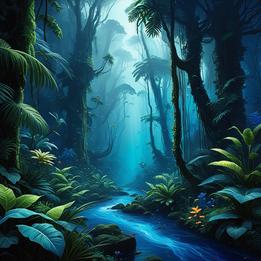
Lush Rainforest
The lush rainforest symbolizes abundance, fertility, and the interconnectedness of life, representing a vibrant ecosystem that thrives on diversity.
Lush Rainforest Dream Meaning
The lush rainforest symbolizes abundance, fertility, and the interconnectedness of life, representing a vibrant ecosystem that thrives on diversity.
Interpretive Themes
Abundance
highDreaming of a lush rainforest often signifies personal abundance in emotions or material wealth.
Interconnectedness
highA rainforest reflects how different aspects of life influence one's well-being.
Fertility and Growth
highThe lushness can imply readiness for creativity or starting new ventures.
Mystery
mediumRainforests often evoke a desire to explore one's inner psyche or potentials.
Nature's Power
mediumDreams featuring such landscapes may suggest respect or fear for nature's might.
Mythological Resonance
Mother of the Forest
AmazonianThe living spirit of the rainforest who provides medicine, food, and wisdom to those who respect her.
Gaia
GreekThe primordial earth goddess whose body becomes the living world, representing interconnected life.
Cultural Lenses
African Perspective
View Context →Rainforests were revered spaces for spiritual rituals reflecting connection to nature. Used in community gatherings to celebrate harvests and fertility. [African Cultures] Rainforests often symbolize life and the source of sustenance.
Jungian Perspective
View Context →Symbolizes the unconscious mind filled with potential and archetypes. In therapeutic settings, encouraged exploration of personal growth narratives. Associated with the process of individuation and integration.
Historical Authorities
Want a deeper analysis?
Get a personalized interpretation of your entire dream including this symbol.
Interpret My DreamThe Oracle's Prediction
Combine multiple symbolsA period of renewed vitality and physical wellbeing.
Timeframe
Lunation (~29 Days)
Intensity
Deep
Deepening of existing relationships or formation of meaningful new connections.
Timeframe
Seasonal (~3 Months)
Intensity
Deep
Common Appearances & Contexts
| Context | Emotion | Interpretation |
|---|---|---|
| Context Walking through the dense foliage | Emotion Serenity | Interpretation Feeling calm and at peace with one's surroundings, indicative of personal fulfillment. |
| Context Being lost in the rainforest | Emotion Anxiety | Interpretation Experiencing confusion and lack of direction in life, reflective of feeling overwhelmed. |
| Context Discovering a new species | Emotion Wonder | Interpretation A sense of amazement at personal potential and the possibilities of innovation. |
| Context Hearing exotic sounds | Emotion Fascination | Interpretation Indicates a deep curiosity about life or a call to explore new opportunities. |
| Context Watching wildlife interact | Emotion Joy | Interpretation Feeling elated by observing harmony and cooperation in personal relationships. |
| Context Experiencing a rainstorm in the forest | Emotion Relief | Interpretation Symbolizes cleansing and a release of pent-up emotions or stress. |
| Context Receiving guidance from a forest spirit | Emotion Awe | Interpretation Feeling connected to spiritual dimensions and receiving insight into life paths. |
| Context Planting seeds in the rainforest | Emotion Hope | Interpretation Symbolizes new beginnings and optimism regarding future endeavors. |
| Context Encountering diverse flora | Emotion Curiosity | Interpretation Encourages the exploration of different facets of oneself or life. |
| Context Climbing a tree to see the forest from above | Emotion Empowerment | Interpretation Feeling in control and gaining perspective on life's complexities. |
Interpret Your Full Dream
Beyond this symbol, every dream carries a unique story. Share your dream for a personalized AI-powered interpretation.