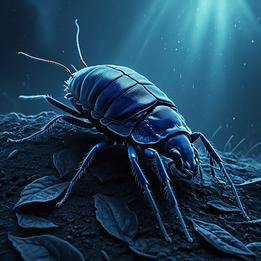
Louse
A parasitic insect symbolizing infestation, contamination, and feelings of being drained or exploited by others.
Louse Dream Meaning
A parasitic insect symbolizing infestation, contamination, and feelings of being drained or exploited by others.
Interpretive Themes
Cultural Lenses
Jungian Perspective
View Context →Shadow aspect representing repressed shame or inferiority; symbol of the 'parasitic complex' draining psychic energy, requiring conscious integration for wholeness.
Freudian Perspective
View Context →Anal stage fixation symbolizing dirt, control, and shame; may represent repressed childhood memories of hygiene training or feelings of being 'soiled' by forbidden desires.
Gestalt Perspective
View Context →Projection of self-as-parasite feelings; what part of yourself feels like it's feeding on others? Exploration of dependency and boundary issues in relationships.
Cognitive Perspective
View Context →Cognitive distortion of contamination; represents intrusive thoughts about impurity, often linked to anxiety disorders or obsessive thinking patterns about social judgment.
Evolutionary Perspective
View Context →Deep-seated disgust response to parasites; evolutionary adaptation for disease avoidance, triggering social exclusion instincts to protect group health from contamination threats.
Global/Universal Perspective
View Context →Cross-cultural symbol of impurity and social stigma; historically associated with poverty, plague, and moral judgment across civilizations as a visible sign of contamination.
East Asian Perspective
View Context →Traditional Chinese medicine views as imbalance; in Japanese culture, historical association with social class and purity rituals, modern context of school hygiene campaigns.
South Asian Perspective
View Context →Ayurvedic texts mention as dosha imbalance; Hindu mythology occasionally features as punishment or test, with modern associations to poverty and public health challenges.
Middle Eastern Perspective
View Context →Ancient Egyptian texts describe removal rituals; Islamic hygiene traditions emphasize cleanliness, with historical associations to pilgrimage conditions and modern public health concerns.
European Perspective
View Context →Medieval plague associations; Victorian era moral judgments about cleanliness and class, with modern psychological associations to anxiety and social exclusion.
African Perspective
View Context →Traditional healing practices include herbal treatments; some cultures view as test of community care, with modern associations to public health education campaigns.
Modern Western Perspective
View Context →Psychological metaphor for toxic relationships; public health focus on school outbreaks, with strong social stigma despite medical understanding of transmission.
Want a deeper analysis?
Get a personalized interpretation of your entire dream including this symbol.
Interpret My DreamCommon Appearances & Contexts
| Context | Emotion | Interpretation |
|---|---|---|
| Context Finding on self | Emotion Panic | Interpretation Personal contamination fear. |
| Context Seeing on others | Emotion Disgust | Interpretation Judgment of others. |
| Context Removing lice | Emotion Relief | Interpretation Cleansing process. |
| Context Infested hair | Emotion Shame | Interpretation Public embarrassment. |
| Context Lice spreading | Emotion Anxiety | Interpretation Loss of control. |
| Context Child with lice | Emotion Worry | Interpretation Parental concern. |
| Context Workplace infestation | Emotion Stress | Interpretation Toxic environment. |
| Context Historical plague | Emotion Fear | Interpretation Epidemic anxiety. |
| Context Pet with lice | Emotion Concern | Interpretation Vulnerability care. |
| Context School outbreak | Emotion Embarrassment | Interpretation Social exclusion. |
| Context Medical treatment | Emotion Hope | Interpretation Seeking solution. |
| Context Ancient ritual | Emotion Awe | Interpretation Historical cleansing. |
Interpret Your Full Dream
Beyond this symbol, every dream carries a unique story. Share your dream for a personalized AI-powered interpretation.