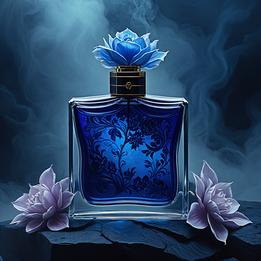
Floral Perfume
A scent associated with memory, attraction, and emotional states, often representing personal identity, desire, or nostalgia.
Floral Perfume Dream Meaning
A scent associated with memory, attraction, and emotional states, often representing personal identity, desire, or nostalgia.
Interpretive Themes
Memory & Nostalgia
highStrong link to olfactory memory systems.
Attraction & Seduction
mediumCultural and biological signaling.
Personal Identity
highChosen fragrance reflects personality.
Sensory Overload
lowPossible warning of excess.
Natural vs. Artificial
mediumModern perfume often artificial.
Mythological Resonance
Persephone and the Narcissus
GreekThe scent of the narcissus flower lured Persephone, leading to her abduction by Hades—a myth of irresistible attraction, transformation, and the duality of beauty as both gift and trap.
Krishna and the Gopis
HinduKrishna's flute music and the divine fragrance of his presence intoxicate the gopis (cowherd maidens), symbolizing the soul's ecstatic attraction to the divine through sensory bliss.
Cultural Lenses
Jungian Perspective
View Context →Represents the anima/animus or personal unconscious scents; floral perfumes may symbolize the integration of feminine archetypes or the individuation process through sensory experience.
Freudian Perspective
View Context →Often symbolizes repressed sexual desires or childhood memories; the act of applying perfume may represent sublimation of libidinal energy into socially acceptable forms.
Gestalt Perspective
View Context →The perfume represents unfinished business with scent memories; the dreamer may be projecting qualities onto the fragrance that belong to themselves or significant others.
Cognitive Perspective
View Context →Floral perfume activates memory networks and emotional associations; the brain processes scent as a cognitive cue for social evaluation and autobiographical memory retrieval.
Evolutionary Perspective
View Context →Scent signaling for mate selection and social bonding; floral notes may mimic pheromones or signal health, fertility, and genetic compatibility in evolutionary terms.
Middle Eastern Perspective
View Context →Historically central to religious rituals and social ceremonies; oud and rose perfumes carry spiritual significance, with modern luxury perfumery maintaining traditional distillation methods alongside global markets.
European Perspective
View Context →From medieval apothecary to French perfume houses; symbolizes aristocracy, romance, and artistic expression, with modern associations to fashion, luxury, and personal sophistication across classes.
East Asian Perspective
View Context →Incense and subtle floral scents in Buddhist and Shinto rituals; modern Japanese kōdō ceremony emphasizes scent appreciation, while contemporary perfumery balances tradition with minimalist aesthetics.
South Asian Perspective
View Context →Essential to Ayurveda and wedding rituals; jasmine, rose, and sandalwood perfumes have spiritual purification purposes, with modern attar industry preserving ancient distillation techniques.
African Perspective
View Context →Traditional use of natural floral essences in healing and rites of passage; modern contexts see both preservation of indigenous scent traditions and adaptation to global perfume markets.
Latin American Perspective
View Context →Pre-Columbian floral rituals merged with Catholic incense traditions; modern perfumery incorporates native flowers like plumeria while maintaining strong connections to religious and festival celebrations.
Modern Western Perspective
View Context →Commercial perfumery dominates with synthetic reproductions; represents personal branding, sensory marketing, and the paradox of artificial nature in consumer culture and identity construction.
Historical Authorities
Want a deeper analysis?
Get a personalized interpretation of your entire dream including this symbol.
Interpret My DreamThe Oracle's Prediction
Combine multiple symbolsA rekindling of an old connection or the spark of a new, meaningful attraction.
Timeframe
Seasonal (~3 Months)
Intensity
Deep
Common Appearances & Contexts
| Context | Emotion | Interpretation |
|---|---|---|
| Context Receiving perfume gift | Emotion appreciation | Interpretation Valued recognition of self. |
| Context Applying perfume heavily | Emotion insecurity | Interpretation Overcompensating for doubts. |
| Context Perfume bottle breaking | Emotion loss | Interpretation Fragile identity shattered. |
| Context Choosing perfume carefully | Emotion deliberation | Interpretation Conscious self-presentation effort. |
| Context Scent evokes memory | Emotion longing | Interpretation Yearning for past connection. |
| Context Perfume as weapon | Emotion manipulation | Interpretation Using scent to control. |
| Context Natural flower scent | Emotion purity | Interpretation Authentic, unadulterated essence. |
| Context Artificial perfume factory | Emotion disconnection | Interpretation Loss of natural authenticity. |
| Context Shared perfume scent | Emotion intimacy | Interpretation Bond through shared sensation. |
| Context Perfume causing allergy | Emotion rejection | Interpretation Identity causing discomfort. |
| Context Ancient perfume ritual | Emotion reverence | Interpretation Sacred connection to tradition. |
| Context Perfume as signature | Emotion pride | Interpretation Confident self-expression marker. |
Interpret Your Full Dream
Beyond this symbol, every dream carries a unique story. Share your dream for a personalized AI-powered interpretation.