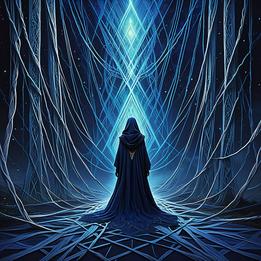
Fate's Loom
A mythological weaving device representing destiny's predetermined patterns, cosmic order, and the interconnectedness of life's threads.
Fate's Loom Dream Meaning
A mythological weaving device representing destiny's predetermined patterns, cosmic order, and the interconnectedness of life's threads.
Interpretive Themes
Mythological Resonance
The Moirai (Fates)
GreekThree goddesses who spin, measure, and cut the thread of life for every mortal, representing destiny's inescapable weave.
The Norns
NorseFemale beings who weave the web of fate at the base of Yggdrasil, determining the destinies of gods and humans alike.
Cultural Lenses
Jungian Perspective
View Context →Represents the collective unconscious weaving archetypal patterns into individual psyches. The Self integrates personal and transpersonal threads into wholeness through individuation.
Freudian Perspective
View Context →Symbolizes repressed childhood experiences weaving adult neuroses. The loom's structure represents superego constraints, while threads symbolize libidinal drives seeking expression.
Gestalt Perspective
View Context →The whole tapestry emerges from interconnected threads of present experience. Each thread represents unfinished business seeking completion in the here-and-now.
Cognitive Perspective
View Context →Represents schemas and mental models weaving perceptions into coherent narratives. The loom illustrates how beliefs pattern experience through cognitive frameworks.
Evolutionary Perspective
View Context →Symbolizes adaptive patterns woven through genetic inheritance and cultural evolution. Threads represent survival strategies passed through generations.
Global/Universal Perspective
View Context →Appears worldwide as Moirai, Norns, or cosmic weavers. Universally represents destiny's inescapable fabric connecting all existence through time.
East Asian Perspective
View Context →In Chinese mythology, the Weaving Maiden symbolizes marital destiny. In Japan, Amaterasu weaves cosmic order. Represents harmony with natural cycles.
South Asian Perspective
View Context →In Hinduism, the three gunas weave prakriti (matter). Buddhist karma weaves samsara's fabric. Jainism sees threads of living beings' destinies.
Middle Eastern Perspective
View Context →Ancient Mesopotamian goddesses wove fate tablets. In Islam, Allah's qadar (divine decree) weaves destiny. Persian mythology features cosmic spinners.
European Perspective
View Context →Greek Moirai spun, measured, cut life threads. Norse Norns wove destiny at Yggdrasil. Celtic triple goddesses wove fate's web at sacred wells.
African Perspective
View Context →Yoruba Orishas weave individual destinies before birth. Akan mythology features Nyame's cosmic web. Many traditions see ancestors weaving community fate.
North American Perspective
View Context →Navajo Spider Woman wove creation. Iroquois Sky Woman wove earth's fabric. Many nations see dreamcatchers as protective fate-weavers filtering destinies.
Historical Authorities
Want a deeper analysis?
Get a personalized interpretation of your entire dream including this symbol.
Interpret My DreamThe Oracle's Prediction
Combine multiple symbolsA revelation about life's interconnected systems will emerge.
Timeframe
Lunation (~29 Days)
Intensity
Deep
A network opportunity will manifest through unexpected connections.
Timeframe
Seasonal (~3 Months)
Intensity
Deep
Common Appearances & Contexts
| Context | Emotion | Interpretation |
|---|---|---|
| Context Weaving golden thread | Emotion Joy | Interpretation Positive destiny unfolding. |
| Context Tangled threads | Emotion Frustration | Interpretation Life complications emerging. |
| Context Cutting threads | Emotion Fear | Interpretation Breaking fate's pattern. |
| Context Empty loom | Emotion Despair | Interpretation Lack of purpose. |
| Context Watching others weave | Emotion Envy | Interpretation Comparing life paths. |
| Context Threads breaking | Emotion Panic | Interpretation Loss of control. |
| Context Colorful pattern emerging | Emotion Hope | Interpretation Beautiful future possible. |
| Context Loom on fire | Emotion Terror | Interpretation Destiny destroyed. |
| Context Adding own thread | Emotion Pride | Interpretation Shaping personal fate. |
| Context Ancient weaver present | Emotion Awe | Interpretation Divine influence felt. |
| Context Pattern repeating | Emotion Boredom | Interpretation Life feels cyclical. |
| Context Threads connecting people | Emotion Love | Interpretation Relationships as destiny. |
Interpret Your Full Dream
Beyond this symbol, every dream carries a unique story. Share your dream for a personalized AI-powered interpretation.