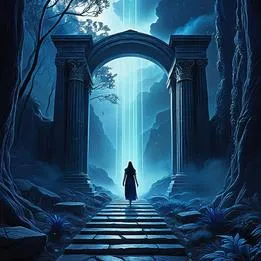
Elysium
The Oracle's Essence
A paradisiacal afterlife realm in Greek mythology, representing ultimate peace, reward, and spiritual fulfillment for the virtuous.
Interpretive Themes
Modern Visibility
Often used metaphorically for idealized states of happiness or perfection, and appears in modern media as a utopian or heavenly destination.
Cultural Lenses
Jungian
Learn More →Represents the Self archetype—individuation's goal where consciousness and unconscious unite. Symbolizes wholeness, often emerging during midlife crises as the psyche seeks integration and meaning beyond ego.
Freudian
Learn More →Manifests the pleasure principle's ultimate fantasy—a return to infantile bliss without demands. May symbolize repressed wishes for unconditional love, security, or escape from superego's moral pressures.
Gestalt
Learn More →Projects an idealized self or life situation. Dreamer may be avoiding present conflicts by fantasizing about perfect resolutions. Encourages exploring what 'paradise' represents in current relationships or goals.
Cognitive
Learn More →Reflects schemas about reward, justice, or afterlife. May emerge during stress as coping mechanism, or when processing moral dilemmas. Represents brain's simulation of optimal outcomes based on cultural narratives.
Evolutionary
Learn More →Taps into adaptive preferences for safe, resource-rich environments. Symbolizes ultimate fitness payoff—security, social status, and reproductive success. May signal mating or coalition-building motivations.
European
Learn More →Rooted in Greco-Roman eschatology as heroes' afterlife. Renaissance revived it as artistic allegory for virtue's triumph. Modern Europeans often view it secularly as metaphor for social utopias or personal fulfillment.
Middle Eastern
Learn More →Parallels Islamic Jannah or Zoroastrian Chinvat Bridge—reward for righteous deeds. In mystical Sufism, represents union with Divine. Contemporary interpretations blend religious paradise with nationalist or familial ideals.
East Asian
Learn More →Resonates with Daoist Penglai or Buddhist Pure Lands—realms attained through cultivation. In modern contexts, often symbolizes academic/professional success or familial harmony, reflecting Confucian values.
South Asian
Learn More →Echoes Hindu Svarga or Buddhist Sukhavati—temporary bliss before rebirth. In yoga traditions, symbolizes samadhi state. Modern interpretations include moksha (liberation) or nationalist visions of ideal society.
African
Learn More →Similar to ancestral realms like Yoruba Orun or Akan Asamando, where ancestors mediate with living. In contemporary Afro-futurism, represents diasporic longing for homeland or technological utopias.
Latin American
Learn More →Blends Catholic Heaven with indigenous concepts like Maya Xibalba's upper worlds. Often associated with revolutionary utopias or familial reunion. Modern usage includes magical realism's idealized spaces.
Global/Universal
Learn More →Cross-cultural archetype of perfect afterlife or utopia. Appears in video games, films, and literature as escapist fantasy. Universally represents human desire for justice, peace, and transcendence beyond mortality.
Contextual Nuances
Arriving at Elysium
Achievement or acceptance.
Leaving Elysium
Loss of ideal state.
Searching for Elysium
Quest for meaning.
Guiding others there
Mentorship or leadership.
Elysium crumbling
Lost hope or faith.
Questions for Reflection
- "What current situation in your life feels like 'paradise' or its opposite?"
- "How do your personal values align with the virtues rewarded in Elysium?"
- "If Elysium represents your ideal self, what qualities are you neglecting?"
Related Weavings
The Portal is Always Open
Every dream is a personalized dispatch from the deep. Don't let yours fade into static.
Interpret Full Dream