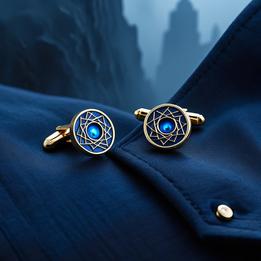
Cufflink
A small, often decorative fastener for shirt cuffs, symbolizing attention to detail, formality, and personal adornment.
Cufflink Dream Meaning
A small, often decorative fastener for shirt cuffs, symbolizing attention to detail, formality, and personal adornment.
Interpretive Themes
Attention to Detail
highSuggests meticulousness or over-focus.
Formality and Restraint
highMay indicate pressure to conform.
Personal Adornment
mediumLinks to self-image and presentation.
Connection and Bonding
mediumSymbolizes relationships or unity.
Status and Professionalism
lowReflects aspirations or insecurities.
Cultural Lenses
Jungian Perspective
View Context →Represents the persona—the social mask worn in public. Cufflinks symbolize the conscious effort to present a polished, acceptable self, often masking the shadow or true nature beneath formal attire.
Freudian Perspective
View Context →A phallic symbol associated with male sexuality and power. Fastening cufflinks may represent sexual restraint, control, or anxiety about performance and societal expectations of masculinity.
Gestalt Perspective
View Context →The dreamer is the cufflink—what role does 'fastening' or 'connecting' play in your life? It may symbolize a part of yourself that feels decorative yet functional, or a need to 'hold things together'.
Cognitive Perspective
View Context →Reflects schemas related to professionalism or social rituals. The brain processes memories of formal events, using cufflinks as a cognitive shortcut for evaluating self-presentation and situational appropriateness.
Evolutionary Perspective
View Context →Ties to social hierarchy and mate selection. Adornments like cufflinks signal attention to detail and resource investment, historically indicating status and reliability within group dynamics for cooperation or attraction.
European Perspective
View Context →Rooted in aristocratic and bourgeois traditions, cufflinks symbolize heritage, etiquette, and class distinction. Historically, they denoted wealth and refinement, evolving into markers of professional success in modern business culture.
East Asian Perspective
View Context →Influenced by Confucian values, cufflinks may represent discipline, respect for formality, and harmony in social roles. In modern contexts, they align with corporate professionalism and meticulous self-presentation.
Middle Eastern Perspective
View Context →Associated with ceremonial attire and hospitality, cufflinks can symbolize honor, dignity, and attention to appearance in social and business gatherings, reflecting cultural emphasis on respect and formality.
African Perspective
View Context →In some cultures, adornments like cufflinks may integrate traditional symbolism with modern fashion, representing identity, status, or rites of passage, while in urban settings, they denote professionalism and global connectivity.
Modern Western Perspective
View Context →Often seen as optional accessories in business or formal wear, cufflinks symbolize personal style, attention to detail, and a blend of tradition with contemporary fashion, sometimes as statements of individuality or luxury.
Global/Universal Perspective
View Context →Commonly associated with formal occasions, professionalism, and personal grooming. Universally, they represent a human desire for order, decoration, and social signaling through small, deliberate acts of self-presentation.
South Asian Perspective
View Context →In contexts like weddings or corporate life, cufflinks may symbolize auspiciousness, prosperity, and adherence to formal codes, blending traditional values of ornamentation with modern professional identity.
Want a deeper analysis?
Get a personalized interpretation of your entire dream including this symbol.
Interpret My DreamCommon Appearances & Contexts
| Context | Emotion | Interpretation |
|---|---|---|
| Context Losing a cufflink | Emotion Anxiety | Interpretation Fear of imperfection. |
| Context Receiving as gift | Emotion Pride | Interpretation Valued recognition. |
| Context Polishing cufflinks | Emotion Contentment | Interpretation Preparing meticulously. |
| Context Cufflink too tight | Emotion Frustration | Interpretation Feeling constrained. |
| Context Vintage cufflinks | Emotion Nostalgia | Interpretation Longing for past. |
| Context Mismatched cufflinks | Emotion Confusion | Interpretation Identity conflict. |
| Context Broken cufflink | Emotion Disappointment | Interpretation Failure in details. |
| Context Choosing cufflinks | Emotion Indecision | Interpretation Overthinking presentation. |
| Context Gold cufflinks | Emotion Confidence | Interpretation Feeling successful. |
| Context Forgot cufflinks | Emotion Embarrassment | Interpretation Social unpreparedness. |
| Context Cufflink as heirloom | Emotion Reverence | Interpretation Honoring tradition. |
| Context Removing cufflinks | Emotion Relief | Interpretation Releasing formality. |
Interpret Your Full Dream
Beyond this symbol, every dream carries a unique story. Share your dream for a personalized AI-powered interpretation.