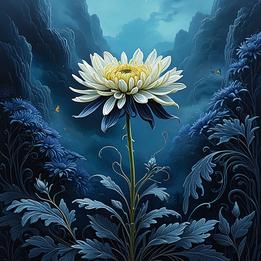
Chrysanthemum
A flower symbolizing longevity, rejuvenation, and the cycle of life and death in spiritual traditions.
Chrysanthemum Dream Meaning
A flower symbolizing longevity, rejuvenation, and the cycle of life and death in spiritual traditions.
Interpretive Themes
Life Cycle
highSymbolizes acceptance of mortality and renewal.
Spiritual Purity
mediumOften linked to meditation and enlightenment.
Adaptability
highHistorically associated with royalty and achievement.
Impermanence
mediumBlooms in autumn, reminding of seasonal change.
Healing
lowUsed in traditional medicine and rituals.
Mythological Resonance
Imperial Chrysanthemum
ChineseThe chrysanthemum was the official emblem of the Chinese imperial family, symbolizing nobility, longevity, and the power of the emperor, believed to possess life-extending properties.
Kiku (Chrysanthemum Throne)
JapaneseThe Imperial Seal of Japan is a stylized chrysanthemum, and the throne itself is named after it, representing the monarchy, longevity, and the enduring nature of the state.
Cultural Lenses
East Asian Perspective
View Context →In China and Japan, symbolizes longevity, nobility, and autumn; the Imperial Seal of Japan features a chrysanthemum, representing the emperor and perfection. Used in festivals and as a motif in art.
European Perspective
View Context →Often associated with death and mourning, especially in Mediterranean countries like Italy and France, where it is common in funerals. Also viewed as a decorative autumn flower.
Middle Eastern Perspective
View Context →Historically linked to medicinal and aromatic uses in Persian and Ottoman cultures; symbolizes beauty and resilience in poetry, with less prominent spiritual roles compared to other flowers.
North American Perspective
View Context →Primarily seen as a fall ornamental plant in gardening; in the U.S., it is the official flower of Chicago and symbolizes cheerfulness and optimism in modern contexts.
Latin American Perspective
View Context →Used in Day of the Dead celebrations in Mexico, where it guides spirits and honors the deceased; symbolizes remembrance and the cycle of life in indigenous and Catholic traditions.
African Perspective
View Context →Less culturally dominant; in some regions, it may be appreciated for its beauty or used in local herbal remedies, with interpretations often borrowed from colonial or global influences.
South Asian Perspective
View Context →In India, associated with festivals like Diwali for decoration and purity; in Ayurveda, used for medicinal properties, symbolizing health and vitality.
Oceanian Perspective
View Context →Introduced through colonization; in modern Australia and New Zealand, it is a popular garden flower with autumn connotations, lacking deep indigenous spiritual significance.
Modern Western Perspective
View Context →Viewed as a symbol of autumn, harvest, and decorative beauty; in psychology, it may represent introspection or the acceptance of life's cycles in contemporary dream analysis.
Jungian Perspective
View Context →Represents the Self and individuation, symbolizing the integration of opposites like life and death. It may appear in dreams as an archetype of wholeness and spiritual growth.
Freudian Perspective
View Context →Could symbolize latent sexual or repressed desires due to its floral nature and association with cycles; may relate to themes of fertility, decay, or unconscious conflicts.
Gestalt Perspective
View Context →Encourages exploring the dreamer's relationship with the flower; it might represent parts of the self, such as beauty, impermanence, or how one perceives change and endings.
Cognitive Perspective
View Context →Likely reflects waking life associations with autumn, aging, or rituals; the brain processes it based on personal memories and cultural knowledge, influencing emotional responses.
Evolutionary Perspective
View Context →May tap into innate responses to seasonal changes and survival; flowers like chrysanthemums could signal resource availability, social bonding, or awareness of environmental cycles.
Historical Authorities
Want a deeper analysis?
Get a personalized interpretation of your entire dream including this symbol.
Interpret My DreamThe Oracle's Prediction
Combine multiple symbolsA deepening of understanding regarding life's cyclical nature, bringing peace with impermanence.
Timeframe
Seasonal (~3 Months)
Intensity
Deep
A focus on long-term well-being and preventative care will yield benefits.
Timeframe
Distant (6+ Months)
Intensity
Deep
Common Appearances & Contexts
| Context | Emotion | Interpretation |
|---|---|---|
| Context Receiving a chrysanthemum bouquet | Emotion gratitude | Interpretation May indicate appreciation or an honor bestowed upon you. |
| Context Seeing a field of chrysanthemums | Emotion awe | Interpretation Suggests contemplation of life's beauty and transience. |
| Context Withering chrysanthemums | Emotion sadness | Interpretation Could symbolize loss, aging, or the end of a phase. |
| Context Planting chrysanthemums | Emotion hope | Interpretation Represents new beginnings or investing in future growth. |
| Context Chrysanthemum in a vase | Emotion peace | Interpretation Might reflect a desire for stability and aesthetic harmony. |
| Context Chrysanthemum crown or garland | Emotion pride | Interpretation Indicates recognition, achievement, or ceremonial significance. |
| Context Chrysanthemum tea or medicine | Emotion comfort | Interpretation Suggests healing, self-care, or seeking natural remedies. |
| Context Chrysanthemum in a graveyard | Emotion reverence | Interpretation Connects to mourning, remembrance, and honoring ancestors. |
| Context Golden chrysanthemum | Emotion joy | Interpretation Often symbolizes prosperity, success, and positive energy. |
| Context Chrysanthemum in a storm | Emotion anxiety | Interpretation May represent resilience or vulnerability in challenges. |
| Context Chrysanthemum art or embroidery | Emotion inspiration | Interpretation Reflects creativity, cultural heritage, or artistic expression. |
| Context Chrysanthemum as a gift | Emotion love | Interpretation Can signify deep affection, respect, or a meaningful bond. |
Interpret Your Full Dream
Beyond this symbol, every dream carries a unique story. Share your dream for a personalized AI-powered interpretation.