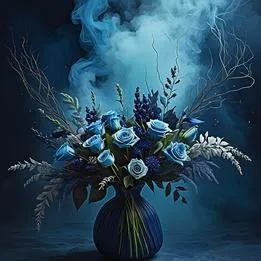
Bouquet
The Oracle's Essence
A bouquet symbolizes curated relationships, social gestures, and the presentation of emotions to others.
Interpretive Themes
Modern Visibility
In modern contexts, bouquets are often associated with celebrations, apologies, or commercialized expressions of affection, sometimes losing personal touch.
Cultural Lenses
Jungian
Learn More →Represents the persona—the curated self presented to society. A bouquet may symbolize the integration of diverse aspects (flowers) into a socially acceptable whole, or the collective unconscious's archetype of gifting.
Freudian
Learn More →Often a phallic symbol (stem) surrounded by feminine symbols (flowers), representing sexual union or repressed desires. Giving/receiving may relate to parental relationships or unfulfilled wishes.
Gestalt
Learn More →The dreamer is all parts of the bouquet: the giver, receiver, and flowers. It reflects how one organizes relationships (arrangement) and what elements (flowers) one values or neglects in social interactions.
Cognitive
Learn More →A mental schema for social rituals—the brain processes bouquets as symbols of reward, social bonding, or memory triggers for past relationships, influencing emotional responses and future social behavior.
Evolutionary
Learn More →Rooted in gift-giving to strengthen alliances and signal resource abundance (flowers as non-essential). May reflect innate drives for social reciprocity, mate attraction, or group cohesion for survival.
East Asian
Learn More →In cultures like Japan, ikebana emphasizes harmony, balance, and impermanence. A bouquet may symbolize respect for nature, social hierarchy (flower arrangement), or rituals like tea ceremonies and funerals.
European
Learn More →Historically tied to courtly love, heraldry, and religious offerings (e.g., Virgin Mary bouquets). Modernly, it signifies romance, condolences, or celebrations, with specific flowers carrying coded meanings (e.g., red roses).
Often associated with hospitality, generosity, and religious ceremonies (e.g., weddings). In some traditions, flowers like jasmine symbolize purity, and bouquets may be used in healing rituals or as peace offerings.
Latin American
Learn More →Integral to festivals (e.g., Day of the Dead marigolds), religious processions, and courtship rituals. Bouquets can symbolize community, ancestral honor, or vibrant social life, with native flowers like orchids holding cultural pride.
African
Learn More →Varies by region; often used in rites of passage, healing ceremonies, or as symbols of clan identity. In some cultures, specific flowers in bouquets convey messages or spiritual protection, linking to ancestral traditions.
Modern Western
Learn More →Commercialized for holidays (Valentine's Day), corporate events, and wellness trends. Often reflects consumerism, fleeting social gestures, or a resurgence in artisan, sustainable floral arrangements as mindful self-expression.
Global/Universal
Learn More →A cross-cultural symbol of emotion conveyance, from love to sympathy. Universally, it represents human need for beauty, ritual, and non-verbal communication in strengthening social bonds across diverse societies.
Contextual Nuances
Receiving bouquet
Validation and appreciation felt.
Giving bouquet
Fear of rejection present.
Wilting bouquet
Relationship fading away.
Throwing bouquet
Transition or new beginning.
Forgotten bouquet
Neglected social duty.
Questions for Reflection
- "What relationships in your life feel 'curated' like a bouquet?"
- "Are you giving or receiving emotional 'bouquets' in your waking life?"
- "How do you balance social presentation with authentic self-expression?"
Related Weavings
The Portal is Always Open
Every dream is a personalized dispatch from the deep. Don't let yours fade into static.
Interpret Full Dream