
The River Styx separating the Myth Meaning & Symbolism
The dark river of oaths that divides the living world from the underworld, a boundary of finality and transformation.
The Tale of The River Styx separating the
Listen, and hear the whisper of the oldest boundary. Beyond the last sigh of the living, beyond the final setting of the sun, lies a place where light fears to tread. Here, in the breathless dark, coils the river of hatred, the River Styx.
Its waters are not water as we know it. They are a slow, cold syrup of shadow, a liquid silence that drinks all sound. No fish swim in its depths; no reeds grace its banks. The air hangs heavy with the scent of damp stone and forgotten promises. This is the unbreakable circle drawn around the realm of Hades, the first and final frontier.
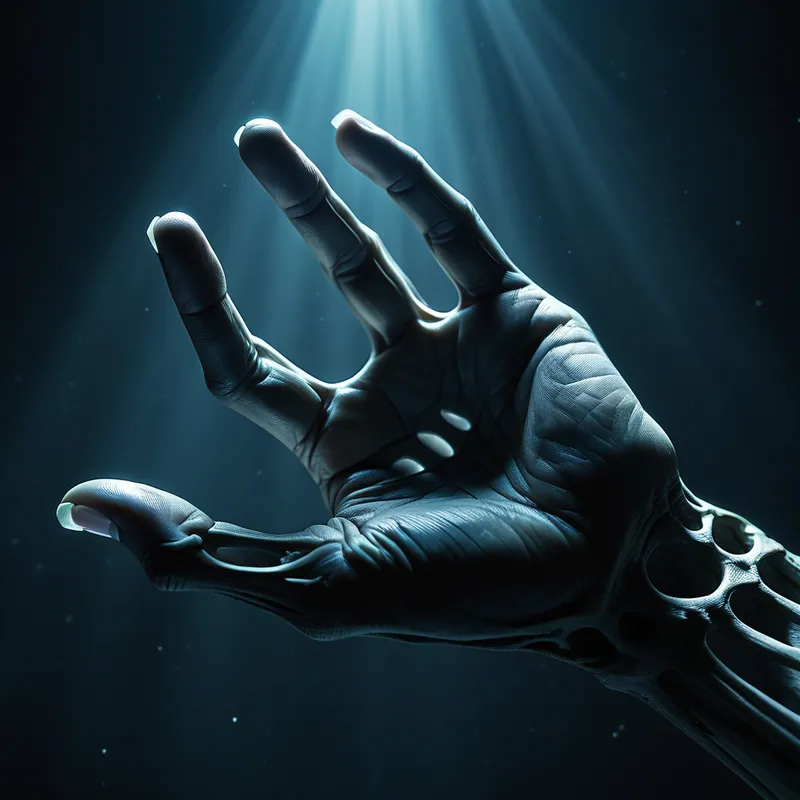
To this desolate shore come all souls, stripped of their earthly vigor. They gather, a murmuring crowd of shades, their forms like smoke, their eyes holding the last memory of the sun. Their guide is not a god of mercy, but a principle of exchange: Charon. He is antiquity made flesh—or rather, made bone and tattered cloak. His eyes are hollow pits, his hand a skeletal claw resting on his pole.
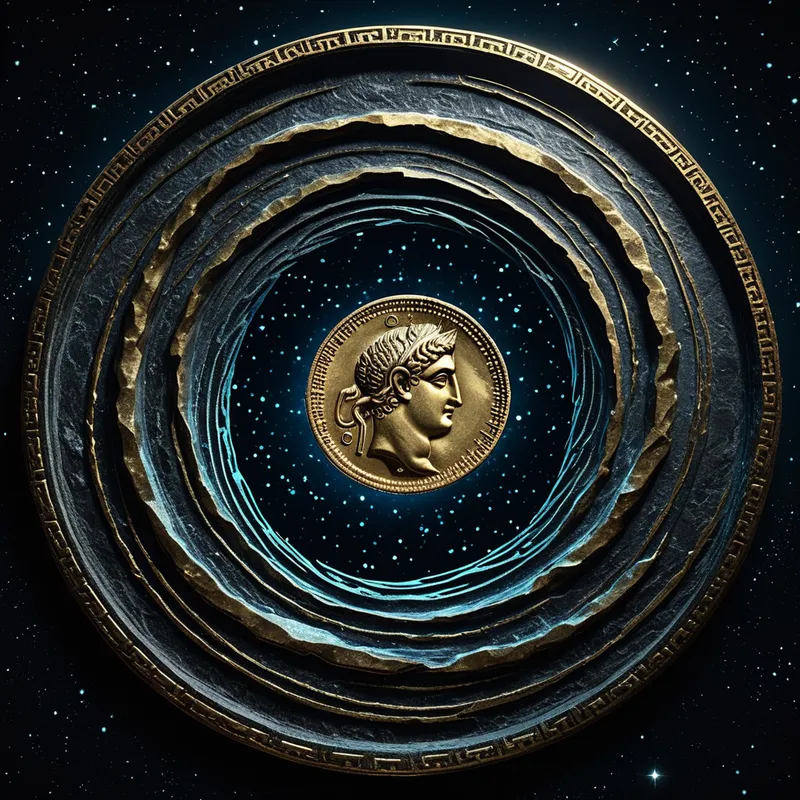
No word of welcome passes his lipless mouth. Only the silent demand, an ancient ritual as old as death itself: the passage-fee. A single obol, placed upon the tongue of the dead before burial. The coin is the key, the only hope. Those who have it, whose rites were observed, feel the cold, damp wood of his boat beneath their insubstantial feet. Those without… they are left to wander the bank for a hundred years, their whispers joining the river’s mournful sigh.
Then, the crossing. The pole dips into the blackness, and the craft glides forward with a dreadful, smooth silence. The far shore, a blur of grey cliffs and deeper shadow, grows closer. The waters themselves seem to watch. For this is no ordinary river. It is a witness. The gods themselves swear their most binding oaths by its dread name. To swear by the Styx is to invoke a curse upon one’s own divine essence should the oath be broken. Its water is the ultimate arbiter, the liquid seal of cosmic truth.
As the boat scrapes upon the gravel of the far shore, the soul’s journey into the underworld truly begins, leaving the last memory of life behind in the silent wake. The river has done its work. It has separated. It has confirmed. It has transformed.
Cultural Origins & Context
The myth of the Styx is a cornerstone of ancient Greek eschatology—the study of the final things. It is not a single story from one author, but a collective, evolving understanding woven through the epic poetry of Homer and the theogonic works of Hesiod, and later refined by Roman poets like Virgil. It was a functional myth, providing a concrete, albeit grim, geography for the afterlife that addressed profound human anxieties: What happens after the last breath? Is there order beyond the chaos of death?
The myth was passed down by bards and poets, its details cementing funeral practices. The placement of the obol in the mouth was a direct, physical response to this narrative, a final act of care by the living to ensure the beloved’s safe passage. Societally, it reinforced the sacred importance of proper burial rites and familial duty. More than a scary story, it was a map of the unknown, offering a procedure for the greatest transition, thus providing a measure of psychological comfort and cultural order in the face of mortality’s abyss.
Symbolic Architecture
The River Styx is the ultimate symbol of the liminal threshold. It is not death itself, but the process of dying—the irreversible journey from one state of being to another. Psychologically, it represents every profound, irrevocable transition we face: the end of childhood, the dissolution of a deep relationship, the death of a cherished identity, or the confrontation with our own mortality.
The coin is the symbol of preparation, the psychic currency we must have earned and stored to navigate life’s ultimate transitions.
Charon is the archetypal gatekeeper of the unconscious. He does not judge the soul’s virtue, only its preparedness—the presence of the “coin.” This symbolizes the psychological truth that we cannot integrate a major life change (a descent into the “underworld” of depression, grief, or deep introspection) without having first developed some inner resource, some acknowledgment (the “coin”) of what must be left behind. The oath-swearing function of the Styx elevates it from a mere boundary to a principle of absolute integrity. It represents the inviolable contracts we make with ourselves—the vows to our deepest values which, if broken, cause a kind of spiritual death.
The Dreamer’s Resonance
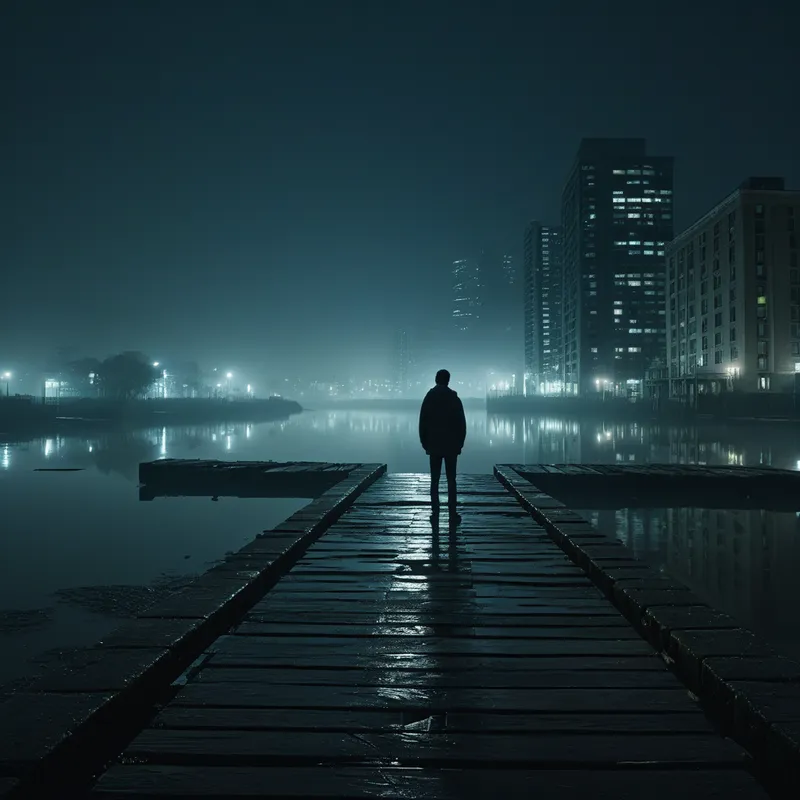
When the Styx flows through modern dreams, it rarely appears as a classical Greek river. Instead, it manifests as any formidable, dark body of water that must be crossed: a flooded city street at midnight, a wide, black moat around a forbidding castle, a vast, still lake under a moonless sky. The dreamer often stands on the brink, feeling a somatic chill and a weight of profound reluctance. The “boat” might be a crumbling bridge, a shaky raft, or a shadowy figure in a vehicle.
This dream signals that the psyche is at a critical juncture. The unconscious is presenting a necessary but feared transition. The anxiety is not about the far shore (the new state), but about the crossing itself—the letting go, the surrender of a known identity. The somatic feeling of cold and dread is the body resonating with the soul’s recognition of an ending. The dream asks: What coin do you need to pay? What old self must you acknowledge as dead to afford this passage? It is the psyche’s ritual preparation for a real-life process of dying and becoming.
Alchemical Translation
In the alchemical process of individuation—becoming one’s true, whole self—the journey to the underworld (nekyia) is essential. The Styx models the first, non-negotiable phase of this psychic transmutation: the separation.
To swear by the Styx is to make an oath to the depths of one’s own being, where breaking faith means stagnation in the shallows of the unrealized self.
The conscious ego, identified with its life and roles, must be “ferried” across into the realm of the shadow and the unconscious. The “obol” is the honest acknowledgment of one’s need for this journey—the humility to admit one does not know oneself fully. Charon is the internal guardian, the part of the psyche that will not allow cheap passage; it demands the sincere payment of self-awareness.
Crossing the Styx is the act of committing to the process. It is the point of no return where intellectual curiosity about the self becomes a lived, often painful, immersion in it. The “oath” sworn by these waters is the vow to see the process through, to honor the truths that will emerge from the depths, however uncomfortable. Once crossed, the old, naive identity is truly behind you. The work on the far shore—confronting shadows, integrating complexes—can begin. The river’s alchemical function is thus solutio (dissolution) and separatio: it dissolves the old attachments and cleanly separates the psyche from its former, purely conscious orientation, preparing the raw material of the soul for its eventual reconstitution into a more authentic, durable form.
Associated Symbols
Explore related symbols from the CaleaDream lexicon: