Nidavellir Myth Meaning & Symbolism
The myth of the dwarven realm where master smiths forge destiny's tools in darkness, embodying the psyche's creative and foundational powers.
The Tale of Nidavellir
Hear now a tale not of the sun-drenched fields of Asgard, nor of the misty forests of Vanaheim. Listen instead to the song of the deep places, the hymn of the stone and the spark. This is the tale of Nidavellir, the Dark Fields.
In the beginning, when the giant Ymir was slain and his flesh became the earth, his blood the seas, his bones the mountains, the gods Odin and his brothers walked the new shores. From the fertile soil, they found maggots that writhed in the light. But these were no mere worms. They held a spark, a cunning intelligence born from the very marrow of the world. The gods decreed: those that sought the sun would become the light elves of Alfheim, fair and fleeting. But those that turned away, that burrowed back into the welcoming dark of the mountains and the deep crevices of the earth—these would be the dwarves.
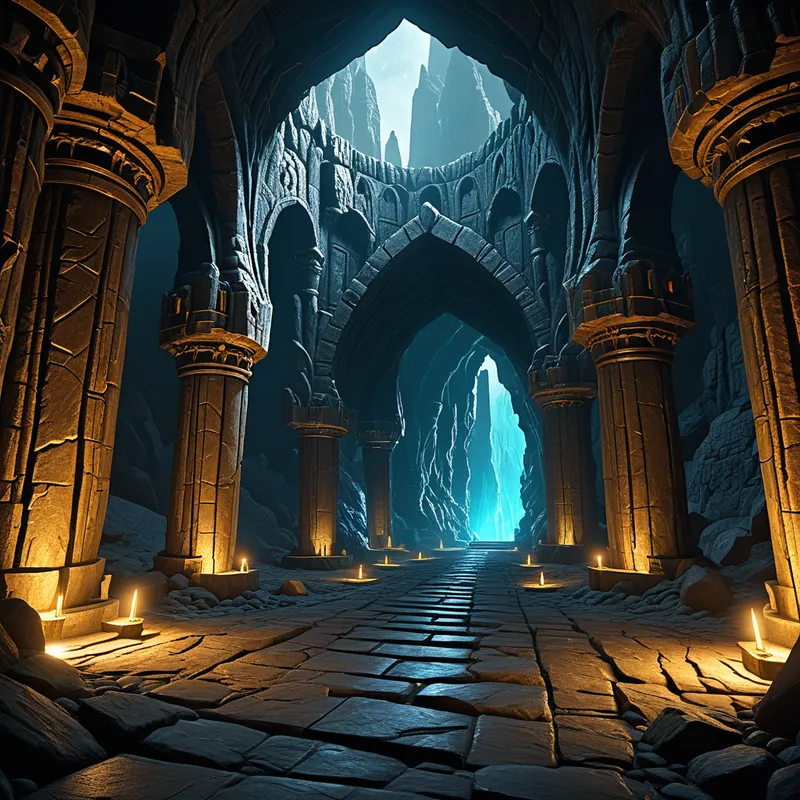
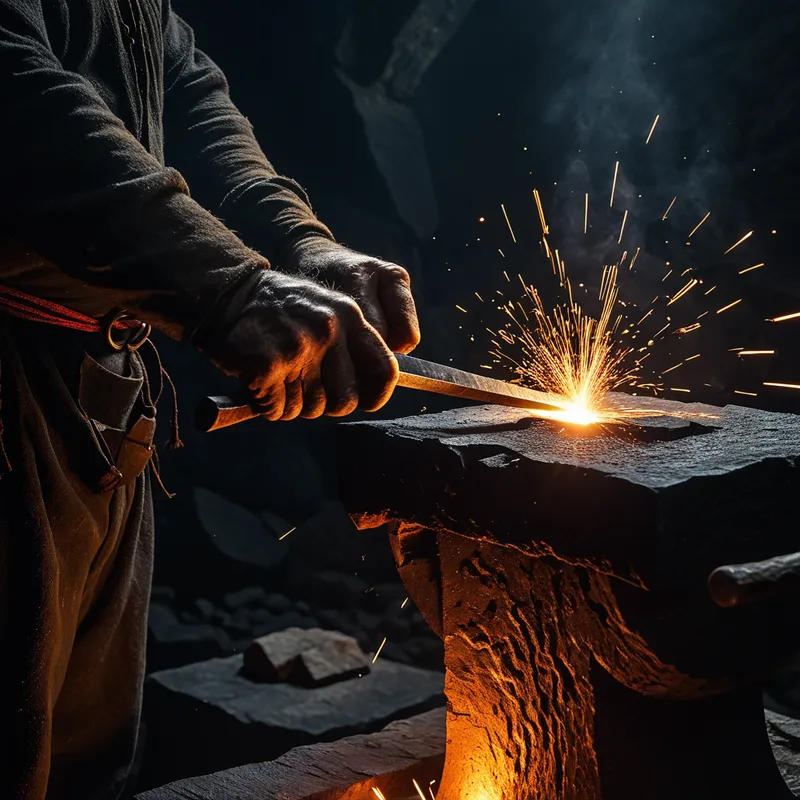
And so Nidavellir was born, not as a gift, but as a destiny chosen in shadow. Here, in caverns so vast their ceilings were lost in eternal night, lit only by the fierce glow of their own forges, the dwarven clans took root. The air hummed with the relentless clang-clang-clang of hammer on anvil, a heartbeat from the world’s core. They did not farm or hunt as others did. Their sustenance was ore, their passion was craft, their worship was the perfect strike.
Their greatest conflict was not with gods or giants, but with the raw essence of the world itself. They wrestled with seams of iron, coaxed secrets from veins of gold, and mastered the song of silver. From this struggle, miracles were born. It was in the deepest forge-hall of Nidavellir that the sons of the dwarf Ivaldi, their faces lit by molten metal, fashioned Gungnir, the spear that binds all oaths. It was here that the brilliant, cursed smiths Brokkr and Sindri labored, their bellows worked by a magical fly (Loki in disguise), to create treasures beyond compare: Mjolnir, the unbreakable hammer; Skidbladnir, the ship that finds its own wind; and Gullinbursti, the living golden boar.
The resolution of their tales is never final, for the work is never done. The forges of Nidavellir burn eternal. Their triumph is not in a battle won, but in an object perfected—a ring that holds a curse, a chain that can bind a god, a weapon that will one day help slay a world-serpent. They are the shapers of fate’s very tools, working in darkness so that others might wield their creations in the light.
Cultural Origins & Context
The myths of Nidavellir and the dwarves come to us primarily from the Poetic Edda and the Prose Edda of Snorri Sturluson. These were not tales told in the grand halls of kings for mere entertainment, but integral parts of a cosmological worldview. In the harsh, demanding environment of the Norse world, craftsmanship was not a hobby but a survival skill and a sacred art. The smith held a near-magical status, transforming the dangerous, raw wilderness (ore) into the tools of civilization (swords, ploughshares, jewelry).
The dwarves personified this process, but elevated it to a divine scale. They were the explanation for the existence of extraordinary objects—heirlooms, legendary swords, intricate jewelry—whose craftsmanship seemed to surpass human ability. By placing the origin of the gods’ most powerful artifacts in Nidavellir, the myths grounded divine power in a process of intense, skilled labor. The stories served a societal function of venerating craft, patience, and specialized knowledge, while also exploring the ambiguous price of such creations, often paid in trickery, greed, or a curse.
Symbolic Architecture
Nidavellir is not merely a place; it is a psychic state. It represents the foundational, often unconscious, layer of the psyche where raw potential is hammered into conscious form.
The dwarf at his anvil is the ego confronting the prima materia of the soul—the chaotic, heavy, yet precious ore of unlived life and innate potential.
The darkness of the realm is not evil, but the necessary condition of the unconscious, the womb-like space where creation occurs away from the critical eye of the conscious mind (the “sun”). The forge is the transformative fire of focused attention and effort—the heat of passion, frustration, and perseverance required for psychological work. The hammer and anvil symbolize the dynamic tension between active will (hammer) and the resistant, defining structure of reality or the self (anvil). True shape only emerges under this pressure.
The dwarves themselves are archetypes of the shadow. They are beings of immense skill and power who dwell “below,” often considered “other,” ugly, or greedy by the gods of the upper worlds. Yet, the gods are utterly dependent on them. This illustrates a core psychological truth: our conscious identity (the ego) is reliant on, and often crafted by, forces within our own shadow—our repressed talents, instincts, and primal creative drives.
The Dreamer's Resonance
When the imagery of Nidavellir arises in modern dreams, it signals a profound engagement with the creative, foundational layers of the self. To dream of being in a vast, dark cavern is to sense the scale of one’s own unconscious. To hear the distant clang of a forge is to perceive a transformative process already underway deep within.
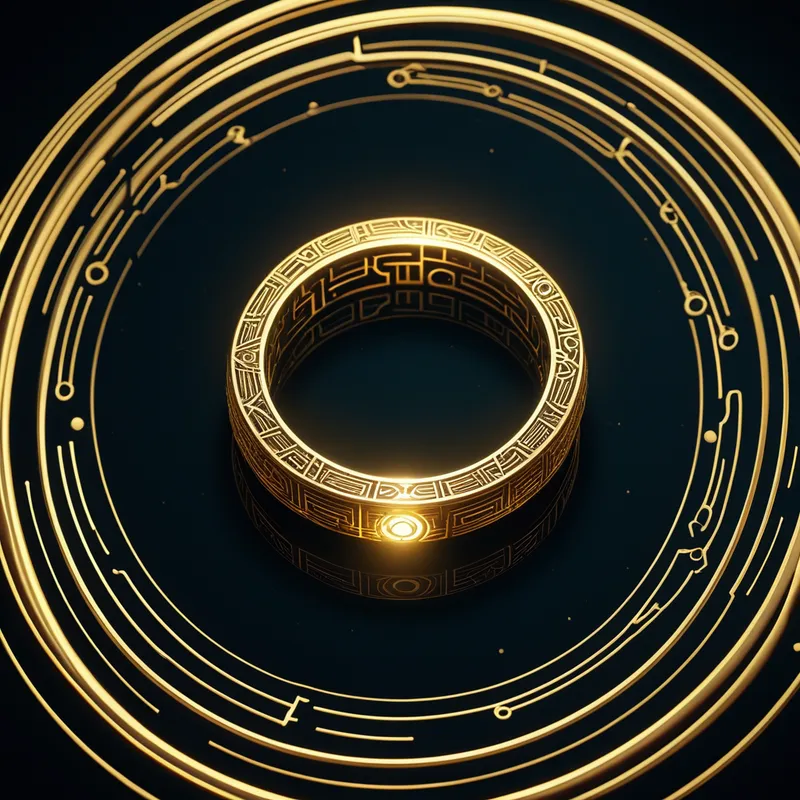
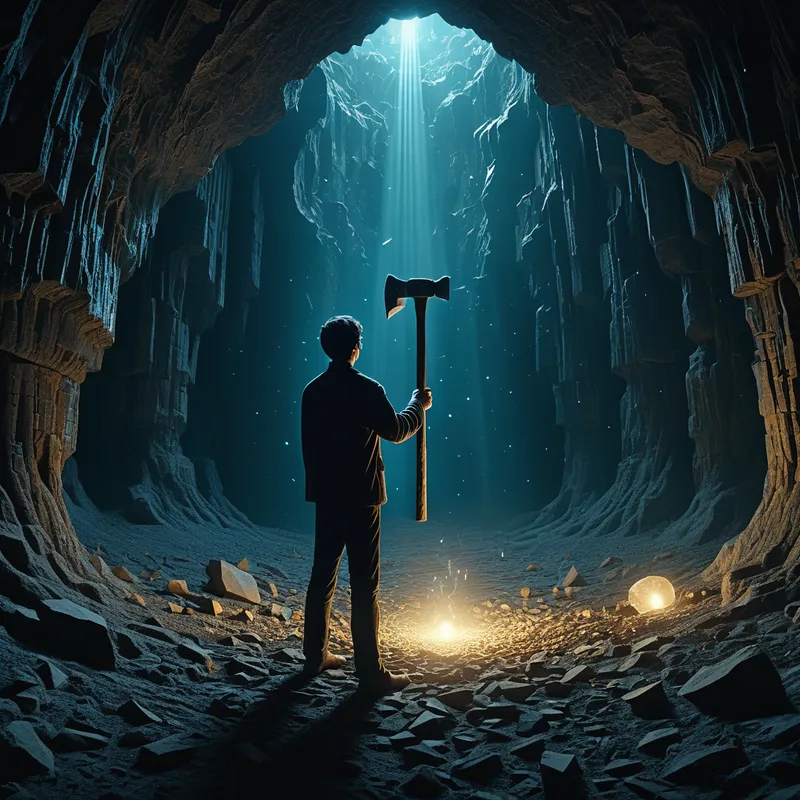
Dreaming of laboring at a forge suggests the dreamer is in the strenuous, often isolating, process of “forging” something new: an identity, a career, a piece of art, or a way through grief. There is somatic weight here—a feeling of pressure, heat, and repetitive strain. Dreaming of finding a dwarven-made object—a glowing ring, a sharp axe, a intricate lock—points to a nascent capacity or insight (the “artifact”) that has been formed in the unconscious and is now ready to be brought into the light of consciousness. It is a gift from the shadow, but like all dwarf-wrought items, it may carry a condition or a cost, asking for integration, not just possession.
Alchemical Translation
The myth of Nidavellir is a perfect map for the alchemical process of individuation. The journey is not outward to a mountain peak, but inward to the deep cavern.
The first stage, nigredo, is represented by the raw, dark ore and the blackness of the caves—the initial confrontation with the shadow, the chaotic mass of unprocessed experience and potential. The albedo, or whitening, is seen in the intense, purifying heat of the forge—the application of conscious analysis and the fire of emotional experience to begin purification. The citrinitas, or yellowing, is the metal beginning to glow, taking on a destined form—the emergence of a clearer, more defined sense of purpose or self. Finally, the rubedo, the reddening, is the perfected artifact glowing red-hot before quenching—the achieved integration, a new psychic capability forged in the depths and now ready for use in the world.
To individuate is to become the smith of Nidavellir within one’s own soul. It is to descend, not in defeat, but in purpose, to engage patiently and skillfully with the heavy, shadowy ore of one’s nature, and to dare to strike it until it rings true.
The modern individual is called not to flee their personal Nidavellir—their depths of anger, creativity, instinct, or grief—but to light a forge there. The goal is not to become a dwarf, but to learn their craft: to hold the tension, endure the heat, and through relentless, honest work, transform the base materials of a given life into a conscious, authentic, and wieldable creation. The treasures of the gods were all born in the dark. So too are the treasures of the Self.
Associated Symbols
Explore related symbols from the CaleaDream lexicon: