The Unseen Architect: Dreams of the Shadow
The Somatic Echo
It begins not as an image, but as a gravity. A weight in the solar plexus, a coldness along the spine that has nothing to do with temperature. It is the feeling of being watched from within your own skin. The breath catches, not in fear of something external, but in the visceral recognition of an internal stranger—a presence that is you, yet not the you you claim to be. This is the somatic echo of the Shadow: the body’s ancient, wordless knowing of the exiled self. It is the psychic gravity of all you have disowned, denied, and deemed unacceptable, now pooling in the dark marrow of your being, waiting for its audience.
The Dreamer's Log
The dream is of a cavernous, abandoned server room. The walls are lined with obsidian-black racks, humming with a low, visceral pulse of red light. I am searching for a corrupted file, a piece of lost data. As I approach the central terminal, its screen is cracked, displaying only fragmented, indecipherable text that scrambles as I try to read it. From the deepest aisle of servers, I hear my own voice, whispering a truth I have spent years silencing.
Alchemical Interpretation: The dream reveals the psyche’s infrastructure, where the disowned self (the corrupted file) is not deleted but quarantined, its truth (the whispering voice) persisting as a disruptive, energetic fact within the system.

The False Lead
This is not a dream about mere "bad luck" or an external enemy. To interpret the shadow as a villain, a monster, or a simple portent of misfortune is to commit the very act of projection the dream warns against. The shadow is not your critic, your rival, or your past trauma personified—though it may wear their masks. It is, fundamentally, a structural component of your own wholeness that has been cast into darkness. The terror it evokes is not the fear of attack, but the profound dread of re-acquaintance. It is the fear of meeting the part of you that holds the grief, the rage, the wildness, or the power you once had to exile in order to belong.
Psychological Architecture
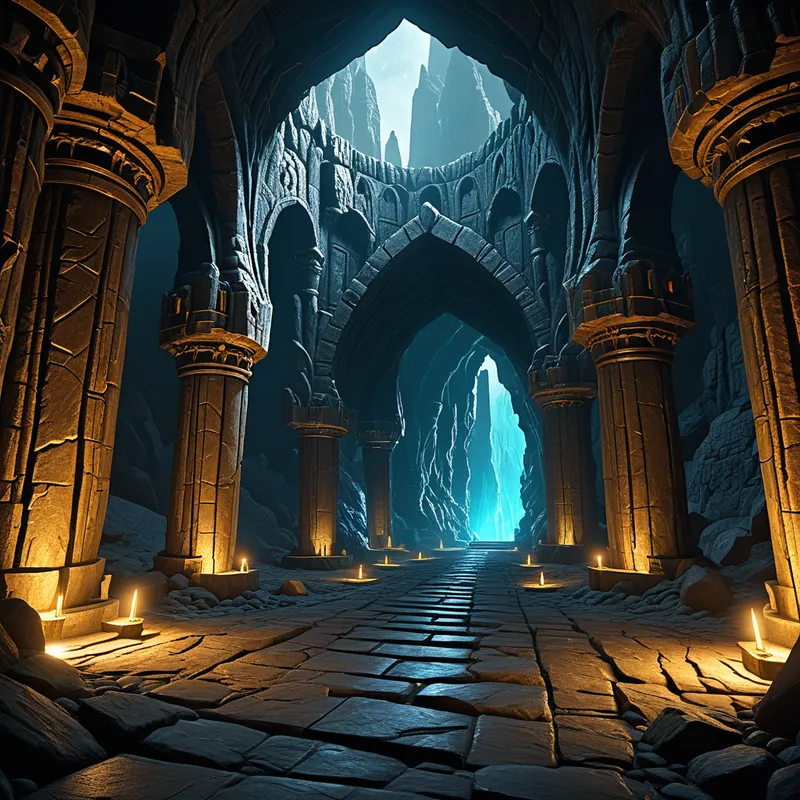
To engage the shadow is to initiate the psyche’s most profound civil war, where the commander and the rebel are born of the same source. This is the core of Individuation: not becoming perfect, but becoming complete. The process is one of reclamation. Think of your conscious personality as a well-lit room. The shadow is everything that didn’t fit the decor—the awkward furniture, the unsettling art, the raw building materials—shoved into a locked cellar. Depth psychology is not about beautifying the room upstairs; it is about descending the stairs, turning on the light in the cellar, and realizing that the house cannot stand without that foundational space. The shadow holds your latent capacities, your forbidden anger that could assert boundaries, your hidden grief that could grant compassion, your raw instinct that could guide action. Integrating it is not an act of addition, but of structural repair. You are not acquiring a new trait; you are recognizing a load-bearing wall you had mistaken for debris.
Mythic Resonance
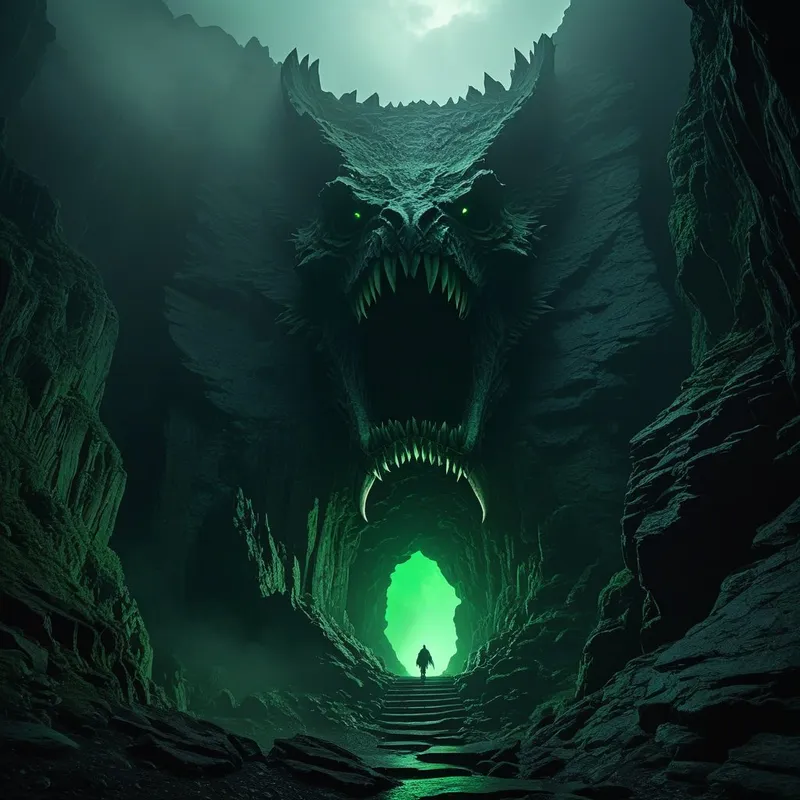
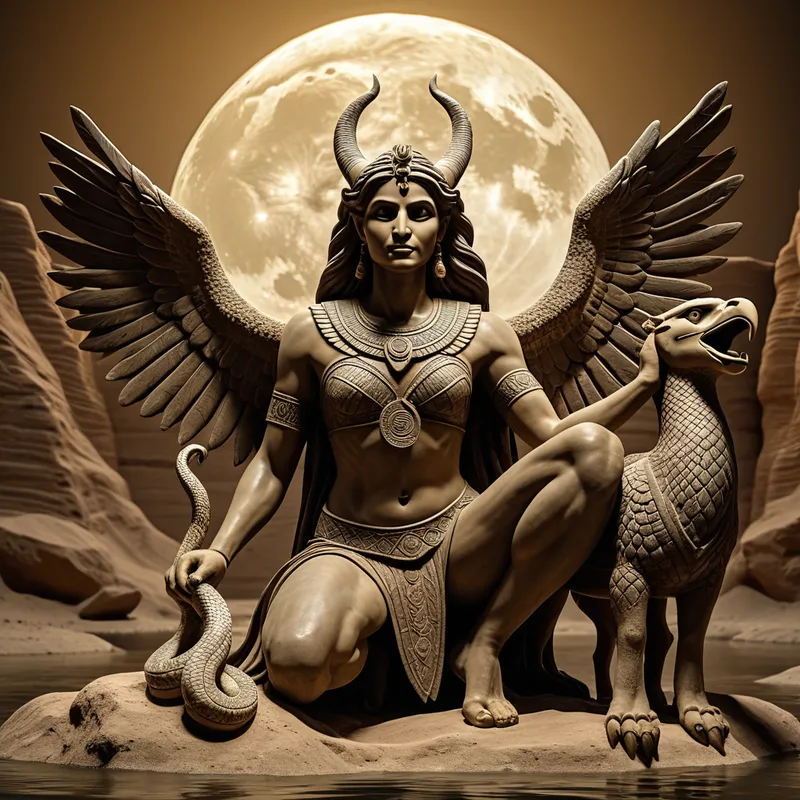
This universal firmware runs in myths of descent. In the Sumerian tale of Inanna, the Queen of Heaven must descend through seven gates to the underworld, stripped of every symbol of her power, to meet her dark sister, Ereshkigal. She is hung on a hook, a corpse. This is not a punishment, but a necessary dissolution. Her return, negotiated and hard-won, does not leave the underworld behind; she returns with a deeper, more terrible understanding of life and death, now integrated. Similarly, the hero’s journey into the "belly of the whale" is never about slaying a beast and leaving. It is about being digested by the unknown, the rejected, the shadowy depths of existence, and being remade. One does not conquer the shadow. One is reconstituted by it.
Symbolic Nodes
- Being Chased/Pursued: The most direct symbol of a disowned energy seeking reintegration. You are running from a part of yourself.
- Dark Figures/Silhouettes: Literal representations of the unseen, often featureless because their content is specific to the dreamer.
- Forgotten or Locked Rooms: Compartments of the psyche where aspects of the self are stored and abandoned.
- Twins/Doppelgängers: The double represents the split between the conscious identity and its hidden counterpart.
- Filth, Waste, Vermin: Symbols of what the conscious mind has deemed disgusting, worthless, or "beneath" it—often holding immense transformative potential (the prima materia of alchemy).
- Wild Animals: Instinctual, untamed energies that have not been domesticated by the persona.
Archetypal Resonance
The energy of the shadow dream resonates most powerfully with The Orphan Archetype, specifically in its journey from the Shadow Orphan toward its integrated strength. The Shadow Orphan is the perpetual victim, marinating in self-pity and betrayal, believing the world has cast it out. This is the initial, painful resonance of the shadow—the feeling of being abandoned by one's own wholeness. Yet, the core of the Orphan is the realist, the survivor. The alchemical potential here is the realization that you are not abandoned by your psyche, but that you have abandoned parts of your psyche. The journey is from victimhood ("Why is this happening to me?") to sovereign survivorship ("This is happening within me, and I must learn its language"). The Orphan's ultimate gift is empathetic realism, earned only by facing the desolate, inner landscape without illusion and discovering the resilient self that lives there.
The Alchemical Process
The transmutation of shadow is not a gentle refinement; it is a pyrolysis—a change brought about by intense heat in the absence of oxygen. The "heat" is the conscious, sustained attention turned toward what you have spent a lifetime avoiding. The "absence of oxygen" is the removal of the old stories, the judgments, the persona's justifications that once kept this material suppressed. You must allow the psychic substance to cook in its own truth. This is the nigredo, the blackening. You feel the grief of your own self-betrayal, the terror of your own power, the shame of your own needs. The transformation occurs when you stop trying to fix, forgive, or spiritualize this material, and instead simply witness it with unwavering curiosity. In that crucible of non-judgmental awareness, the black mass begins to reveal its hidden spectra. Rage reveals itself as thwarted justice. Jealousy becomes a map of unlived desire. Numbness cracks to expose an ocean of grief. The leaden weight of the shadow slowly, molecule by molecule, reveals its latent gold: authentic power, grounded compassion, and creative vitality.

The Integration Protocol
Question 1: When you feel that somatic echo of unease or dread, where in your body does it settle? If that sensation had a voice, what single, raw sentence would it speak—without censorship or justification?
Question 2: Recall a recent moment of intense, perhaps disproportionate, irritation or judgment toward someone else. What quality in them triggered you? Can you trace a line from your judgment of their trait to a place where you disown or punish that same trait within yourself?
Question 3: What is one strength or capacity you secretly admire but would never openly claim for yourself, for fear of seeming arrogant, threatening, or "too much"?
Action 1 (Somatic Anchoring): Next time the shadow's gravity pulls, do not retreat into thought. Place your hand on the part of your body where the feeling is most dense. Breathe into that space for three full cycles. Your only task is to feel the sensation as pure sensation—its temperature, texture, movement—without needing to change it or tell a story about it.
Action 2 (Unstructured Dialog): Set a timer for 10 minutes. Write a letter from the perspective of the figure, creature, or atmosphere from your shadow dream. Let it speak to "you," the dreamer. Do not edit, correct, or argue. Use your non-dominant hand if it helps bypass the inner critic. The goal is not a coherent narrative, but to allow the exiled voice a channel.
Action 3 (Ritual Reclamation): Choose a simple object—a stone, a piece of wood, a coin. This object now represents a single, disowned quality you identified (e.g., "righteous anger," "primal need," "wild creativity"). For one week, carry this object with you. Each time you touch it, silently acknowledge, "This, too, belongs." At week's end, place it somewhere in your living space where you will see it, a small monument to integrated territory.
Final Validation
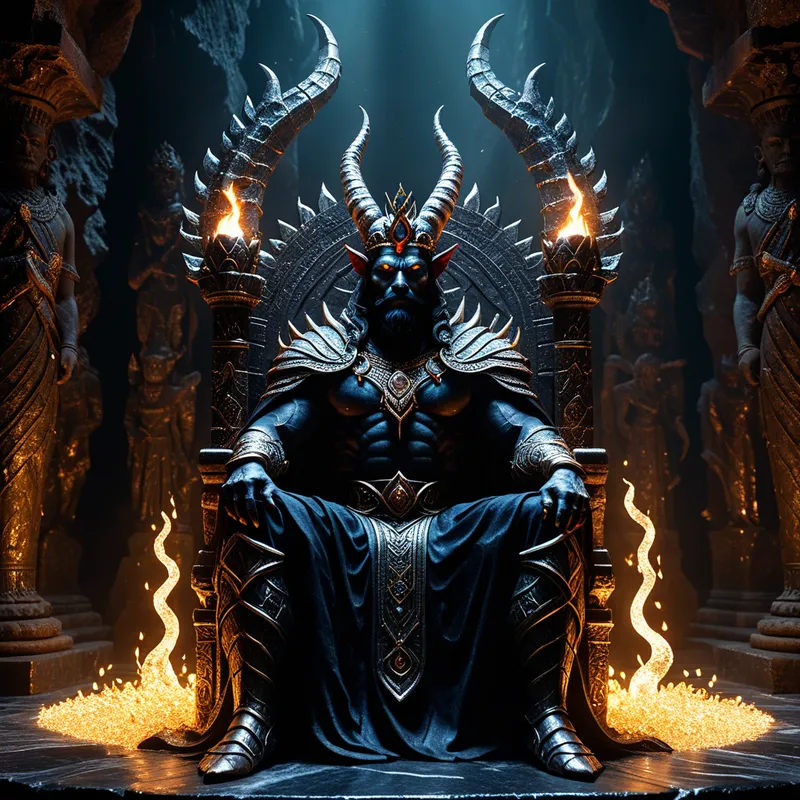
This work is not for the faint of heart. It demands a courage that feels like vertigo, a willingness to stand at the edge of your own known world and peer into the interior abyss. The path of shadow is often lonely, for it is traveled in the most intimate company of all—the self you have yet to fully meet. Yet, within that terrifying communion lies the genesis of true sovereignty. You are not integrating darkness to become a lighter person; you are integrating your fragments to become a denser, more real, and unshakably whole one. The shadow does not hide your monster. It guards your forgotten throne.