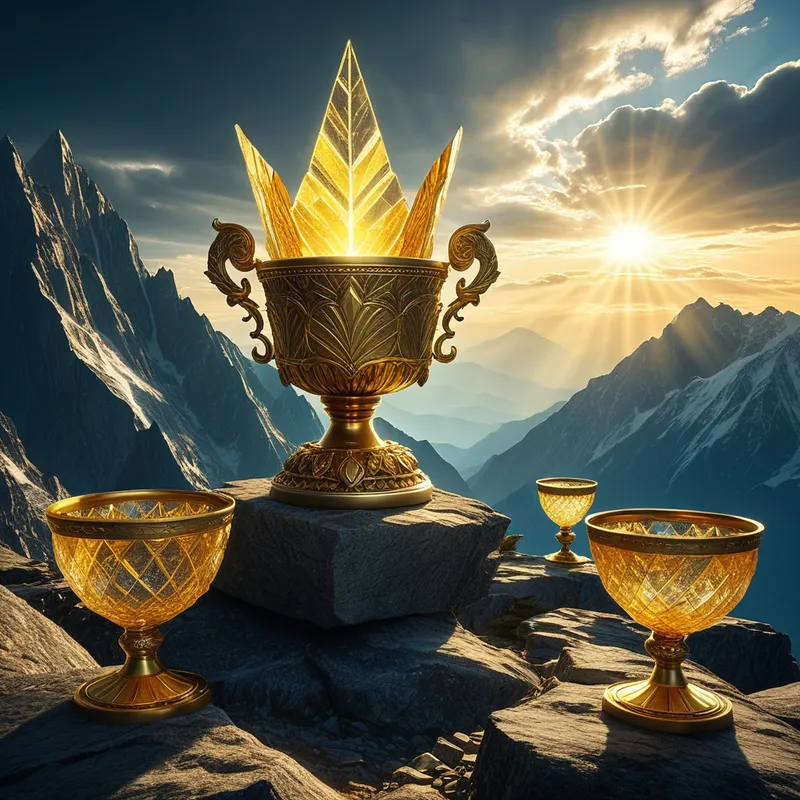
Nectar of the Gods Myth Meaning & Symbolism
The divine sustenance of Olympus, Nectar confers immortality and divine essence, forever separating the eternal gods from mortal humanity.
The Tale of Nectar of the Gods
Hear now the story of the substance that defines the very boundary of being. Before the age of heroes, before the first city was built, there was only the churning chaos of the Titans and the raw, unformed earth. From this struggle, the Olympians arose, claiming the high seat of the world. But to rule an eternal cosmos, they required an eternal substance. Not the coarse bread and sour wine of toiling humanity, but the essence of life itself, refined and perfected.
On the sun-drenched peaks of Mount Olympus, where the air is not air but aether, the golden tables of the gods are never bare. Here, the divine cupbearer, the radiant youth Ganymede, moves with a grace no mortal limb could know. In his hands, he carries not a simple pitcher, but the very wellspring of divinity. From it, he pours the Nectar</ab title>. It flows like captured sunlight, thicker than wine, sweeter than the first honey of spring, and it carries the scent of ambrosia—the food of the gods—in its golden wake.
To drink it is to feel the cosmos stabilize within your veins. The weariness of ages sloughs away. The faint, cold whisper of mortality that haunts every living thing is silenced forever. It is the taste of permanence, of identity made absolute. The gods sip, and their laughter rings with the certainty of beings who will never know decay, never be forgotten. Their wounds, should any weapon dare to pierce their divine flesh, heal without scar. Their strength is as constant as the northern star.
But below, in the shadow of the mountain, humanity labors. They drink water that quenches but does not sustain. They eat bread that fills but does not immortalize. They feel the slow, inevitable drain of time. The scent of Nectar sometimes drifts down on a rare western breeze, a haunting, bittersweet perfume that stirs a deep, aching longing in the chest—a memory of a wholeness they have never known, a promise just beyond the veil of the possible. It is the ultimate divide: above, the eternal symposium; below, the fleeting feast. The golden cup is the unbreachable wall between the divine and the mortal, the everlasting and the ephemeral.
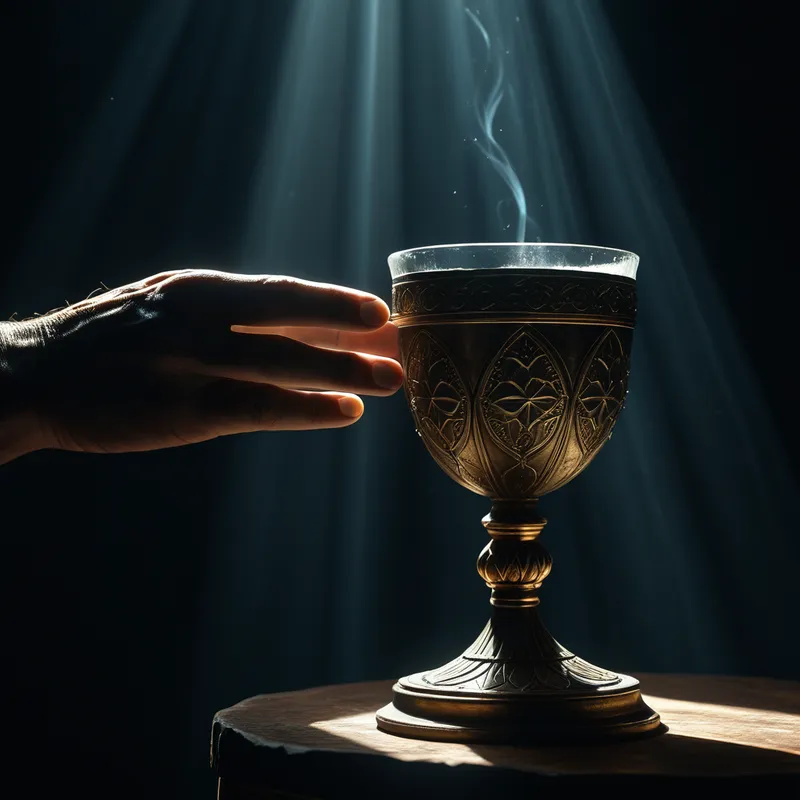
Cultural Origins & Context
The myth of Nectar is woven into the very fabric of Greek religious thought, less a single story than a foundational assumption. It appears not in one grand epic, but is scattered like golden dust across the works of Homer and Hesiod. In the Iliad, the gods use Nectar and ambrosia to cleanse themselves and to heal their injuries. It is the ambient reality of the divine sphere.
This concept served a critical societal function: it rationalized and sanctified the cosmic hierarchy. The gods were not merely powerful beings; they were ontologically different, sustained by a different order of substance. This provided a theological explanation for their immortality and their separation from the human realm. The myth was passed down through ritual, poetry, and the visual arts on pottery and in temples, reinforcing the world order. To offer libations of wine to the gods was a symbolic act—offering the best of the mortal realm in hopeful exchange for a whisper of that divine favor, a fleeting communion across the great divide.
Symbolic Architecture
Nectar is the ultimate symbol of qualitative difference. It is not simply "better food"; it is the substance of a different mode of existence. Psychologically, it represents the unattainable ideal, the core fantasy of a state of perfection beyond the compromises and corruptions of earthly life.
Nectar symbolizes the psychic desire for a self that is complete, unchanging, and eternally vital—a consciousness untouched by doubt, trauma, or time.
Its consumption by the gods underscores the archetype of the Cosmic Ruler. They do not earn their immortality; it is their inherent nature, sustained by their native sustenance. For humans, Nectar represents the ultimate Taboo. To consume it is to commit the ultimate act of hubris, to blur the lines of a cosmos built on separation. It is the desire for deification, for a transcendence that annihilates one's given nature. The vessel, often Ganymede or Hebe, symbolizes the mediating principle—the necessary agent who manages the flow of this potent essence, ensuring it remains within its proper domain.
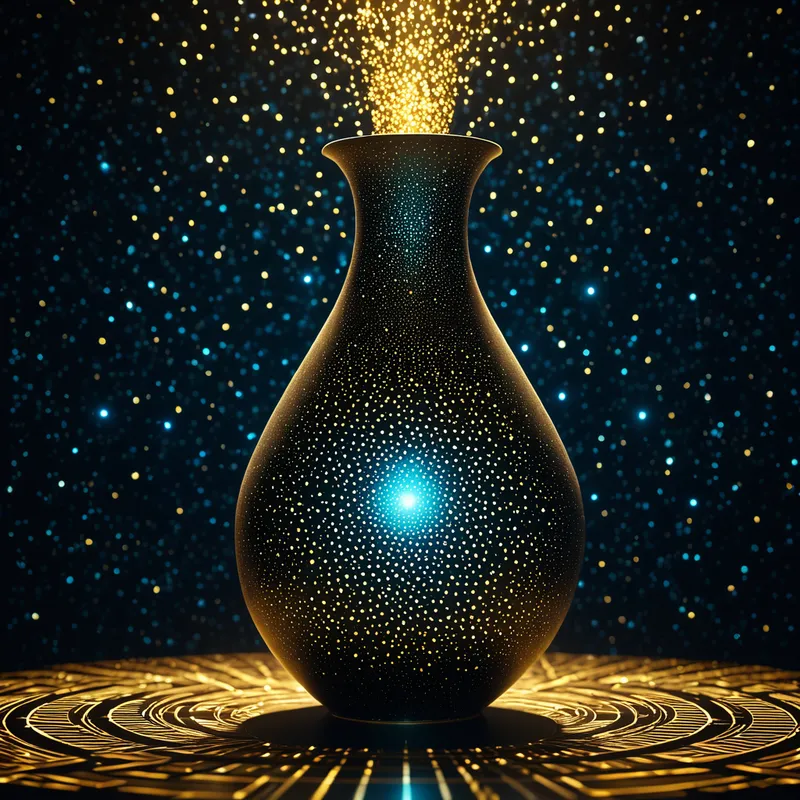
The Dreamer's Resonance
When the Nectar of the Gods appears in modern dreams, it rarely comes as a golden goblet on Olympus. It manifests as the inexplicably potent elixir in a back-alley bar, the glowing vial in a forgotten laboratory drawer, or the simple glass of water that promises to erase all anxiety. The dreamer is often alone with it, gripped by a profound conflict.
The somatic experience is one of intense craving coupled with deep fear. The body knows it is encountering something that will fundamentally alter its composition. This dream signals a psyche grappling with a desire for radical transformation or escape. It may appear during life transitions, spiritual crises, or when facing mortality. The longing for the Nectar is the longing to shed a painful or limited identity—to become someone new, untouchable, and whole. The fear is the intuition that such a transformation requires a death of the current self. The dream poses the essential question: What part of your mortal experience are you seeking to immortalize, and what part are you willing to sacrifice to taste that divinity?

Alchemical Translation
The myth models the alchemical process of psychic transmutation, or individuation, not as a theft of divine property, but as an internal distillation. We cannot steal the gods' Nectar, but we can learn the secret of its making within the vessel of our own soul.
The mortal condition—with its suffering, decay, and limitation—is the prima materia, the base matter. The process begins with the acknowledgment of our thirst, our "divine discontent." The labor of life—our relationships, failures, creative acts, and periods of introspection—becomes the slow fire of the alchemical furnace. We are not consuming a pre-made elixir; we are refining the raw experiences of a mortal life: grief into compassion, passion into purpose, time-bound memory into timeless wisdom.
The alchemical goal is not to become a god on Olympus, but to become fully, authentically human—to transform the lead of mortal suffering into the gold of individual meaning, creating an internal "nectar" of self-realization.
This self-made Nectar is the integrated consciousness. It does not grant physical immortality, but it confers a different kind of permanence: the achievement of a personality that is cohesive, resilient, and connected to something transcendent within itself. The "gods" who hoard the Nectar can be seen as those unconscious, autonomous complexes within us that claim to hold the only source of vitality. The individuation journey is the act of deposing these inner tyrants, not to steal their treasure, but to discover that the capacity to produce it has been within us all along, waiting for the right heat, the right pressure, and the courage to drink from our own crafted cup.
Associated Symbols
Explore related symbols from the CaleaDream lexicon: