The Architecture of the Soul: Dreaming of Hierarchy
The Somatic Echo
Before you see the ladder, the throne, or the locked door, you feel it. It is a pressure in the sternum, a weight of invisible chains. It is the stiffening of the spine in a room where you are meant to be small, or the hollow, floating disorientation of standing on a dais you never asked to ascend. It is the clench of the jaw holding back a truth, or the tremor in the hands that comes not from fear, but from a suppressed authority waiting to be claimed. Hierarchy in dreams is first a felt sense—a somatic map of where power resides, flows, or is dammed up within you. It is the body’s ancient, pre-verbal knowledge of its place in a system, long before the mind constructs the story of boss, parent, society, or god.
The Dreamer's Log
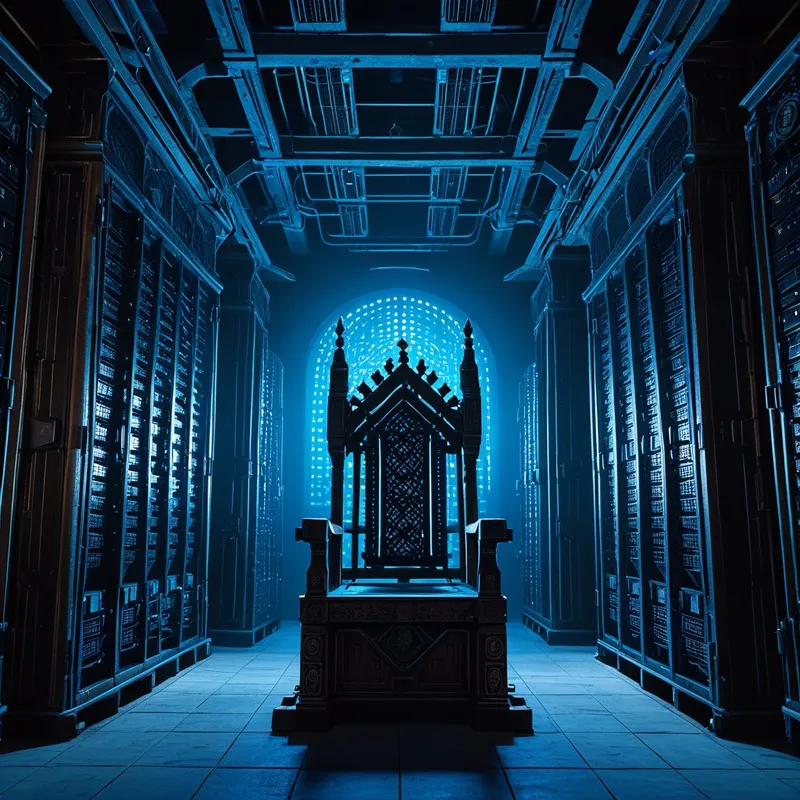
The dream is always the same: you are in a vast, subterranean server farm, a cathedral of blinking lights and low, resonant hums. You are not an administrator, but a janitor, tasked with cleaning the dust from the endless racks. You know, with a certainty that aches, that the central server—the one that controls everything—is housed in a sealed chamber at the heart of the complex. You have the key, a cold, intricate piece of metal that burns in your palm, but the protocol forbids you from using it.
This dream is not about external IT policies; it is the psyche’s stark portrait of a Self holding the sovereign key to its own core intelligence, while an internalized protocol of unworthiness keeps it locked away, performing only maintenance on the periphery of its own vastness.
The False Lead
Do not mistake this theme for mere social anxiety or a bad day at the office. The dream of hierarchy is not primarily about your place in a corporate org chart or a familial pecking order. Those are its costumes, its contemporary sets. The core drama is structural, archetypal. It is about the fundamental ordering principle of your inner world. A dream of being powerless is not a prediction of failure; it is a diagnostic image of a disowned aspect of your own authority. Conversely, a dream of tyrannical rule is not a fantasy of domination, but a warning of an inner governance that has become rigid, cut off from the heart, ruling through fear rather than wisdom. The terror or the grandiosity is a secondary symptom. The primary event is the revelation of an internal architecture.
Psychological Architecture
To work with hierarchy is to engage in the most profound shadow work: the audit of inner governance. Who, or what, sits on the throne of your psyche? Is it a critical parent, a wounded child playing king, a relentless taskmaster, or a silenced poet? We contain multitudes, and in an unintegrated system, these parts form a hidden cabinet, a shadow government vying for control. The Individuation process, in this light, is not about becoming a monolithic “self.” It is about moving from a fractured oligarchy—where exiled orphans, rebellious saboteurs, and martyr caregivers stage constant coups—toward a conscious sovereignty. Here, the Ruler archetype is not a singular dictator, but a mature, embodied awareness that can listen to all its citizens (the caregiver’s compassion, the rebel’s fire, the sage’s insight) and make decisions from a place of wholeness, not from the tyranny of one dominant, traumatized part.
Mythic Resonance
We see this eternal restructuring in the myth of Theseus and the Minotaur. The labyrinth is not just a maze; it is the ultimate hierarchical structure, designed by a tyrant (King Minos) to contain and hide his shame (the monstrous offspring of his own broken vow). The young, unproven Theseus must descend into this oppressive architecture, navigate its confusing, soul-crushing pathways, and confront the beast at its center—the raw, untamed, and imprisoned power. His victory is not merely a slaying. It is the dismantling of an entire system of control. He rewires the hierarchy by replacing fear with agency, using the thread of connection (Ariadne’s clue) to reclaim his path and liberate his people from the top-down tyranny of sacrifice. The myth is a blueprint for entering our own psychic labyrinths, where the Minotaur is not an enemy to be destroyed, but a disowned power to be integrated, changing the very structure that housed it.
Symbolic Nodes
- Ladders, Staircases, Elevators: The vertical axis of ascent and descent, marking shifts in perceived status, consciousness, or access.
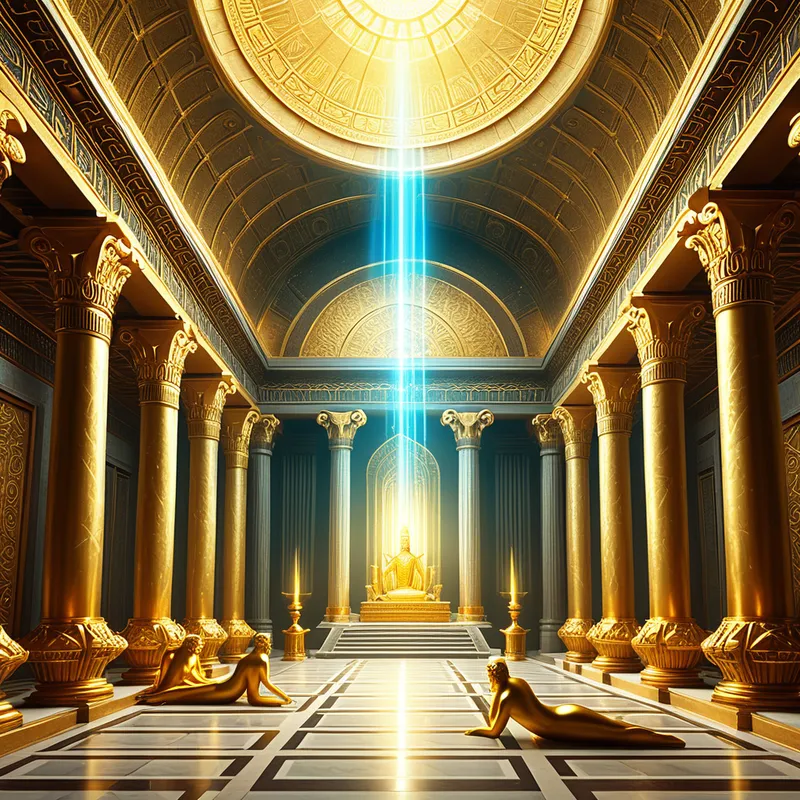
- Thrones, Desks, Judge’s Benches: Seats of authority, either vacant (potential), occupied (current inner rule), or contested.
- Uniforms, Crowns, Badges: The costumes of role and rank, often feeling too large, too small, or like a disguise.
- Locked Doors/Gates, VIP Passes, Secret Handshakes: Mechanisms of inclusion and exclusion, permission and prohibition.
- Towers, Basements, Penthouse Suites: The geography of hierarchy—where are you positioned? Isolated at the top, buried in the foundation, or looking up from the bottom?
- Queues, Waiting Rooms, Audition Lines: The experience of being processed, judged, and made to wait for validation from an external system.
Archetypal Resonance
The core energy of the hierarchy dream is the struggle for, and the maturation of, authentic governance. This is the pure domain of The Ruler Archetype. Its shadow—the Tyrant or Control-Freak—manifests in the dream’s somatic echo as the crushing weight of rigid order, the fear of chaos that strangles spontaneity. The active Ruler, however, is felt as the solid ground of self-possession, the calm spine of integrity that can hold complexity without collapsing into tyranny or anarchy. The alchemical potential here is immense: to transmute the inner tyrant’s fear-based control into the Ruler’s capacity for wise, compassionate order—to build an inner kingdom where all parts of the self are heard, valued, and guided toward a harmonious purpose, rather than ruled by an iron fist.
The Alchemical Process
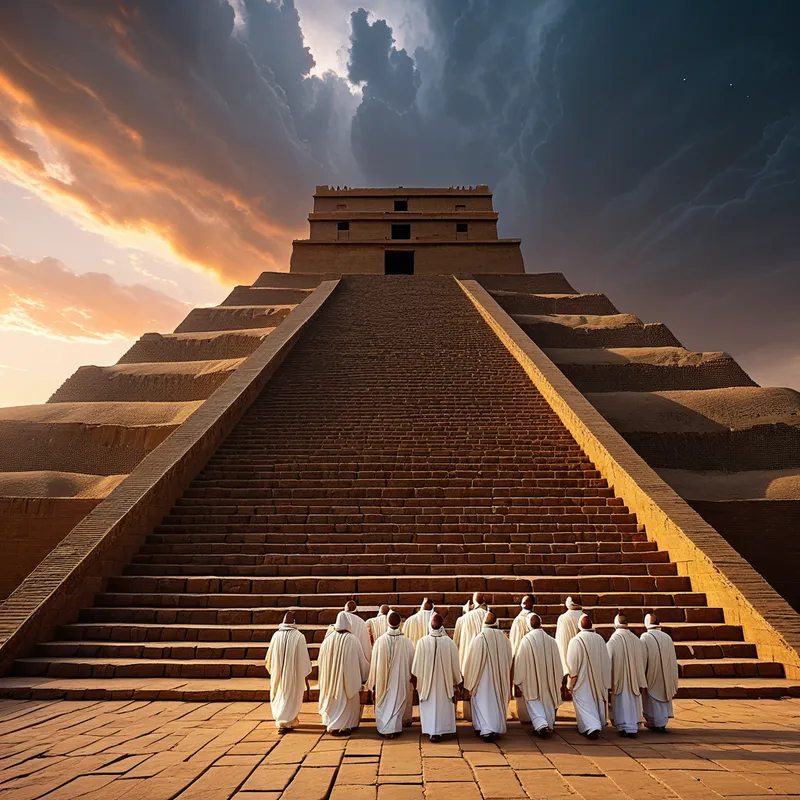
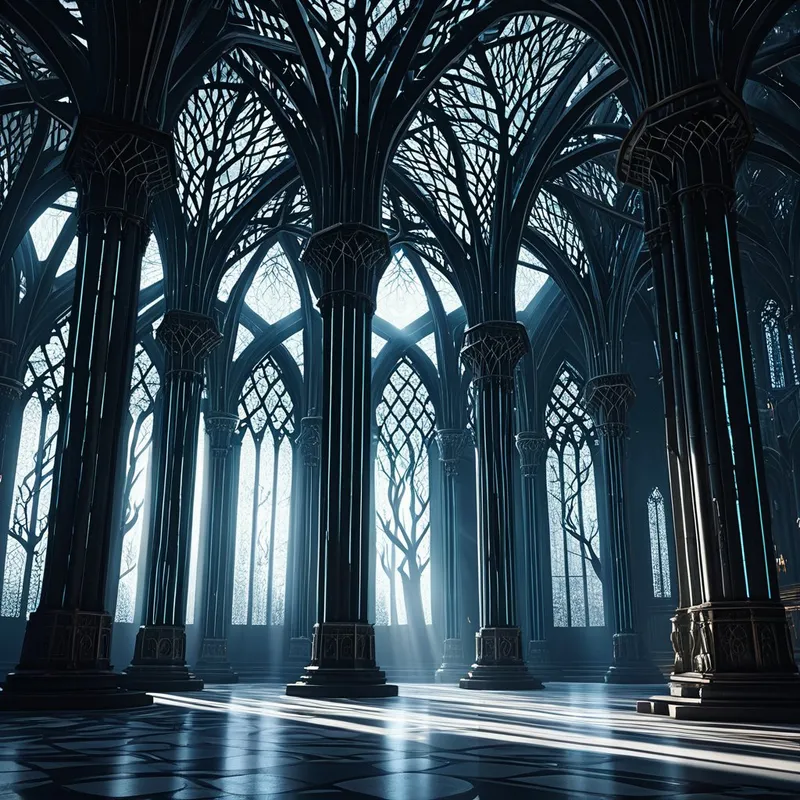
The transmutation of hierarchical terror into sovereignty requires the Pressure of Conscious Collapse. This is the intense, often painful heat of allowing your internal government to fail. It is the moment when the inner tyrant’s commands ring hollow, when the orphan’s victim-story loses its grip, when the rebel’s burning of structures leaves only ash, not freedom. This pressure feels like a loss of all order—a psychic dissolution. In this liminal state, you do not rush to rebuild the old pyramid. You must endure the chaos, the grief for the lost illusion of control, the terror of the formless. From this nigredo, this blackening, the new architecture can emerge. It is not imposed from above, but grows organically from the ground of your deepest values. The old, brittle hierarchy of “shoulds” and inherited protocols dissolves, and in its place, a living, responsive latticework of authentic authority begins to crystallize—an order born of integration, not domination.
The Integration Protocol
Question 1: In the dream, where was the seat of ultimate authority? Was it occupied, empty, or were you forbidden from approaching it? What quality of consciousness (e.g., critical, fearful, wise, absent) did that seat radiate?
Question 2: Which part of you felt most active in the dream’s hierarchy? The obedient servant, the resentful underling, the anxious middle-manager, the oblivious ruler, or the hidden saboteur? Can you feel that part in your body now?
Question 3: If your inner world were a kingdom, what is its primary, unspoken law? What one law, if compassionately repealed, would liberate the most energy in your life?
Action 1 (Somatic Cartography): For one day, track the somatic echoes of hierarchy in your waking life. Notice without judgment when your shoulders slump in a meeting (a descent), when your breath shortens speaking to an authority figure (a constriction), or when your chest expands stating a boundary (an ascent). Simply map the bodily landscape of power.
Action 2 (Unsent Protocol Letter): Write a formal, detailed letter from your psyche’s current “governing body” to your conscious self. Use official language. What are its policies on risk, joy, rest, and creativity? What are its sanctions? Then, write a compassionate, firm response from your emerging sovereign awareness, drafting a new, more humane charter.
Action 3 (Ritual of Keys): Find or designate a physical key. At dusk, hold it and contemplate one “locked chamber” within yourself—a talent, a grief, a passion you’ve kept offline. Speak aloud the old protocol that sealed it. Then, walk to a door, window, or even a box, and use the key to physically unlock or open it, stating a simple, new permission. Let the act be a neural command to your inner architecture.
Final Validation
To dream of hierarchy is to feel the immense, often painful, weight of your own inner structures. It is to confront the cages you inherited and the thrones you have been too afraid to claim. This is not small work. It asks you to become the architect, the demolition expert, and the benevolent monarch of your own soul. Yet within this daunting task lies your greatest liberation: the slow, sure knowledge that the only hierarchy that ultimately binds or frees you is the one you consent to within. The key was always in your hand. The protocol was always yours to rewrite. Begin not by storming the throne room, but by listening to the whispers in the basement and the winds at the tower’s peak. Your wholeness is waiting to assume its rightful governance.