Cinderella's Carriage Myth Meaning & Symbolism
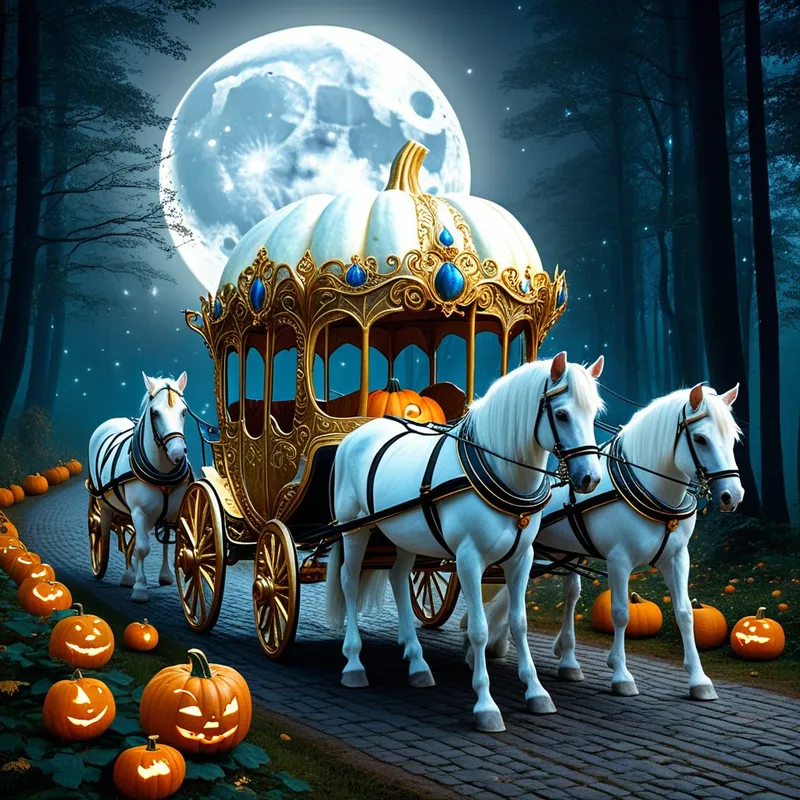
A magical transformation at the threshold of a royal ball, where a pumpkin becomes a gilded carriage, granting a fleeting passage from obscurity to destiny.
The Tale of Cinderella's Carriage
Listen, and let the hearth-fire whisper of a time when magic was a breath away from despair. In a house of cold stone and colder hearts, there lived a girl whose name was spoken only with scorn: Cinderella. Her world was the ashes of the hearth, her companions the mice in the walls, her gown the soot that clung to her skin. While her stepsisters preened in silks for the King’s Ball, she was left with naught but tears and a hollow pumpkin from the garden.
But the world is woven with unseen threads. As twilight bled into indigo, an old woman appeared at the hearth—not a beggar, but a being of ancient, knowing eyes. She was the Godmother. “Child,” she said, her voice like wind through dry leaves, “you shall go to the ball.”
With a touch, the hollow pumpkin groaned and shimmered, its orange flesh transmuting into a sphere of flawless, gilded crystal. From its heart spilled light, forming a carriage of breathtaking splendor. The mice, with a squeak of wonder, grew strong and tall, their fur becoming the sleek coats of proud horses. A lizard from the stone became a coachman in livery, and the girl’s rags dissolved into a gown woven from moonlight and stardust. On her feet, shoes of glass, fragile and clear as a promise.
“Remember,” the Godmother’s voice turned grave, a note of iron in its kindness, “the magic holds only until midnight. When the clock tolls the twelfth hour, all will be as it was.”
The carriage bore her through the whispering forest, a beacon of impossible grace. At the palace, she was a mystery, a vision. She danced with the Prince, and for a few stolen hours, the girl of ashes was a queen of light. But as the feast reached its zenith, a deep, resonant bong shook the air. Midnight.
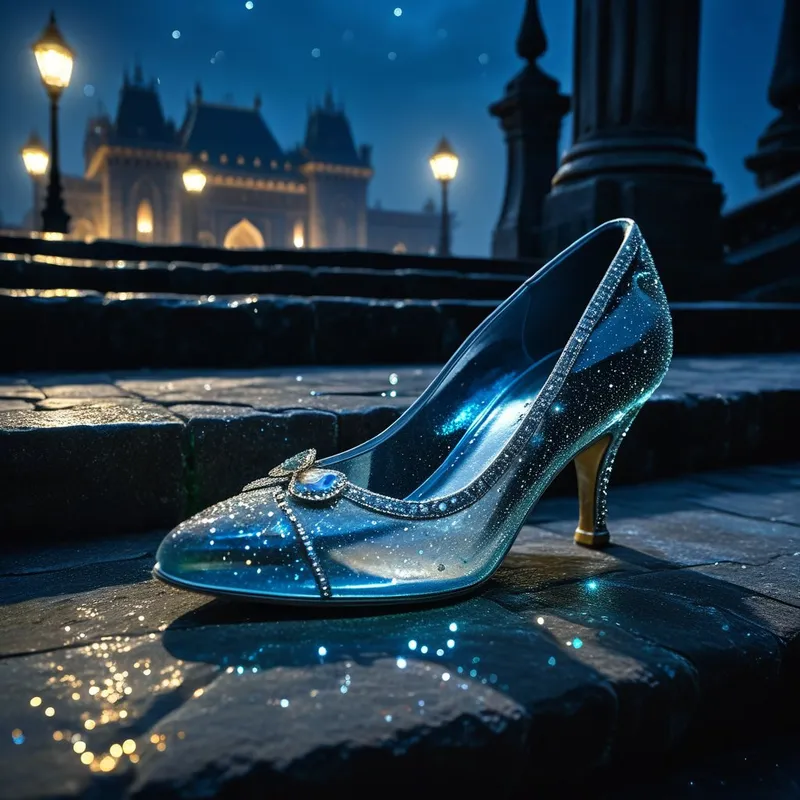
The spell shattered not with a bang, but a sigh. The crystal carriage blurred, its lines softening back into the round, humble shape of a pumpkin, rolling into the dark. The horses shrunk, scampering into the undergrowth. The gown melted into her old dress. In her frantic flight, one glass slipper was left behind on the palace stair—a single, perfect proof that the miracle had been real.
Cultural Origins & Context
The tale of the carriage is a deep tributary of the vast Cinderella story river, found in hundreds of variants across continents, from China’s Ye Xian to Egypt’s Rhodopis. In the European tradition crystallized by Charles Perrault, the pumpkin carriage is a distinctly literary embellishment, a flourish of French salon culture that replaced more visceral, shamanic transformations found in older oral versions (where help often came from a magical tree or a mother’s spirit in the form of a animal).
Its societal function was multifaceted. For the pre-modern listener, often a child or a laborer, it was a fantastical validation of hope against brutal circumstance. For the aristocratic audiences of Perrault’s time, it was a charming allegory for the transformative power of grace, manners, and external beauty—a “makeover” myth. Yet beneath this polish, it carried the older, folkloric truth: that aid comes from the margins (the hearth, the garden, the old crone) and that all worldly transformations are bound by time and natural law. It was a story told to soothe, to inspire, and to subtly warn about the precariousness of fortune.
Symbolic Architecture
The carriage is not merely a vehicle; it is the myth’s central alchemical vessel. The pumpkin, grown in the dirt, symbolises potential lying in the mundane and despised. It is the Self in its latent, unformed state.
The carriage is the luminous, temporary form the soul assumes when it dares to journey toward its destiny. It is the crafted persona that carries the authentic self across the threshold of the world.
The transformation, orchestrated by the Godmother, represents an intervention from the deeper psyche—the Self organizing resources (mice, lizard, pumpkin) that the ego (Cinderella) considered worthless. The glass slippers are perhaps the most potent symbol: they represent a perfect, yet fragile, fit between one’s true nature and one’s role in the world. They are crystalline clarity of identity, easily lost in the panic of the temporal.
Midnight is the inescapable law of Chronos. It insists that no state, no matter how glorious, is permanent. The return to ashes is not a punishment, but a necessary dissolution, forcing the integration of the experience into the core identity, lest one be trapped forever in the glittering, but false, persona of the ball.
The Dreamer's Resonance
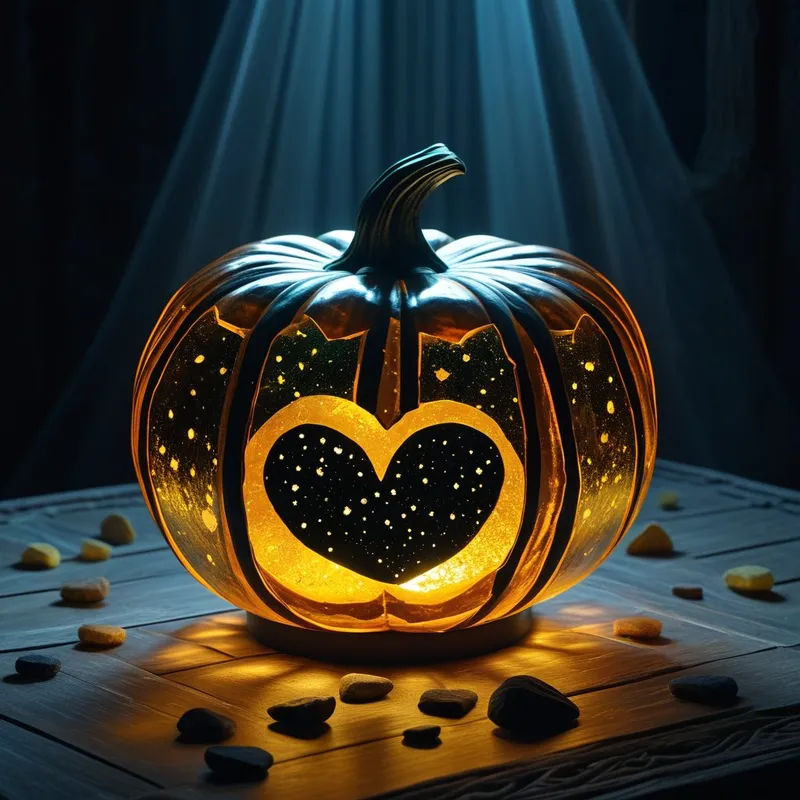
When this myth pattern stirs in modern dreams, it often signals a profound moment of liminality. To dream of a magnificent carriage may indicate the dreamer’s psyche is constructing a new, empowered identity to navigate a coming challenge (a new job, relationship, or creative venture). It is a symbol of supported transition.
Conversely, dreaming of the carriage turning back into a pumpkin at a critical moment speaks to a deep fear of exposure, of being found “unworthy” after a taste of success. The somatic experience is often one of sudden sinking, a loss of buoyancy. To dream of searching for a lost glass slipper is to yearn for that perfect alignment of soul and purpose, or to be engaged in the process of reclaiming one’s authentic self after a period of adaptation or compromise. The dream is the psyche’s ball, and the carriage is the vehicle it builds to get us there.
Alchemical Translation
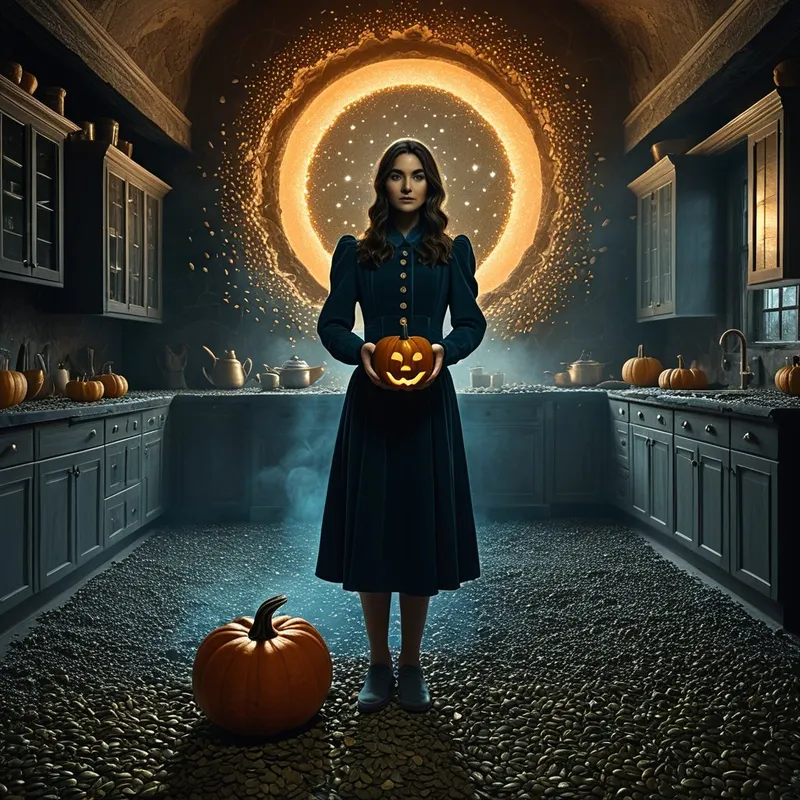
The myth models the complete cycle of individuation. The starting point is the nigredo: the ashes, the state of depression and worthlessness at the hearth. The Godmother is the catalyst, the spark of insight from the unconscious that initiates the albedo, the whitening. This is the planning, the gathering of inner resources (recognizing one’s “mice” as potential strengths).
The transformation itself is the citrinitas, the yellowing: the glorious, radiant emergence of a new, more capable personality structure—the carriage. The ball represents conscious engagement with the world in this new form, a test drive of the integrated psyche.
Midnight is the crucial rubedo, the reddening. It is not failure, but the fiery ordeal of integration. The glorious form must dissolve so its essence can be absorbed.
The return is not regression, but a return with the prize: the experience of the ball, the memory of the dance, and the enduring symbol of the slipper. The Prince’s search with the slipper is the world now seeking the authentic individual who has been tempered by this full cycle of inflation, dissolution, and humility. The final marriage is not to a prince, but to one’s own destiny, now approached not from the ashes of despair, but from the sober, hard-won knowledge of one’s true and fragile shape. The pumpkin is forever changed, for it has known itself as a carriage.
Associated Symbols
Explore related symbols from the CaleaDream lexicon: