Berserker Myth Meaning & Symbolism
A warrior, touched by the bear spirit, channels divine rage in battle, becoming an unstoppable force of nature before collapsing into vulnerable humanity.
The Tale of Berserker
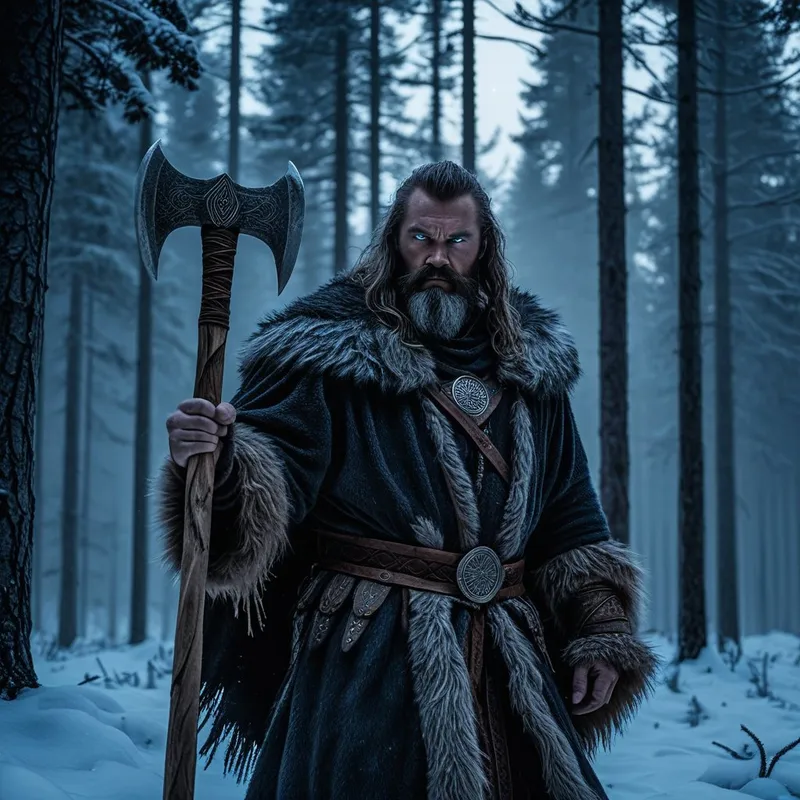
Hear now, a tale not of gentle gods, but of the fire that walks in the shape of men. It begins in the deep, silent heart of the northern woods, where the snow drinks sound and the pines stand as sentinels to older things. Here, in the hush before the storm of iron, a man prepares. He is not a king, nor a famed champion—yet. He is a vessel, soon to be filled.
He casts aside his tunic, baring skin to the bite of the wind. The air smells of pine resin and coming blood. Around him, twelve others do the same, their breaths pluming in the frigid dark. They are the chosen of Odin, but tonight they call upon a different power. They call upon the björn, the shaggy mountain-king, and upon úlfr, the grey shadow of the forest.
No horn sounds. No chant begins. Instead, they begin to move. A slow, rhythmic sway that becomes a tremble. A low hum builds in a warrior’s chest, rising to a guttural growl. His eyes, fixed on the distant glow of enemy campfires, lose their human focus. They glaze, reflecting not the world, but a storm within. The tremble becomes a violent shudder. He gnaws at the rim of his painted shield, the taste of wood and iron flooding his mouth. The world narrows to a tunnel of red haze.
Then, the breaking. A roar tears from his throat, a sound that holds no language, only pure, annihilating will. It is answered by eleven others, a chorus of fury that shakes the snow from branches. His muscles cord and swell, seeming to strain against his very skin. He feels no cold. He feels no fear. He is a flood, a landslide, a force. The bear-spirit has answered. He is berserkergangr—the going berserk.
When they crash into the enemy line, it is not as men. It is as a natural disaster. Swords and axes flash, but they feel no bites. Blows that would shatter bone are shrugged off like rain. They fight with a terrible, ecstatic joy, a laughter that is a cousin to madness. They are the living weapon of Odin, the frenzy he gifts to those who would open the gates of their own reason and let the oldest powers walk through.
But the gift is a loan. As the last foe falls and the silence returns, heavier now, the fire recedes. The bear-spirit withdraws its claws from his soul. The trembling returns, but now it is the shudder of exhaustion. The glorious strength pours out of him, leaving him hollow, weak as a newborn pup. He collapses, not in triumph, but in utter depletion, his mighty body now a frail, sleeping thing, to be carried home by his brothers. The god has used his body, and now it is merely a man’s again, aching and mortal.
Cultural Origins & Context
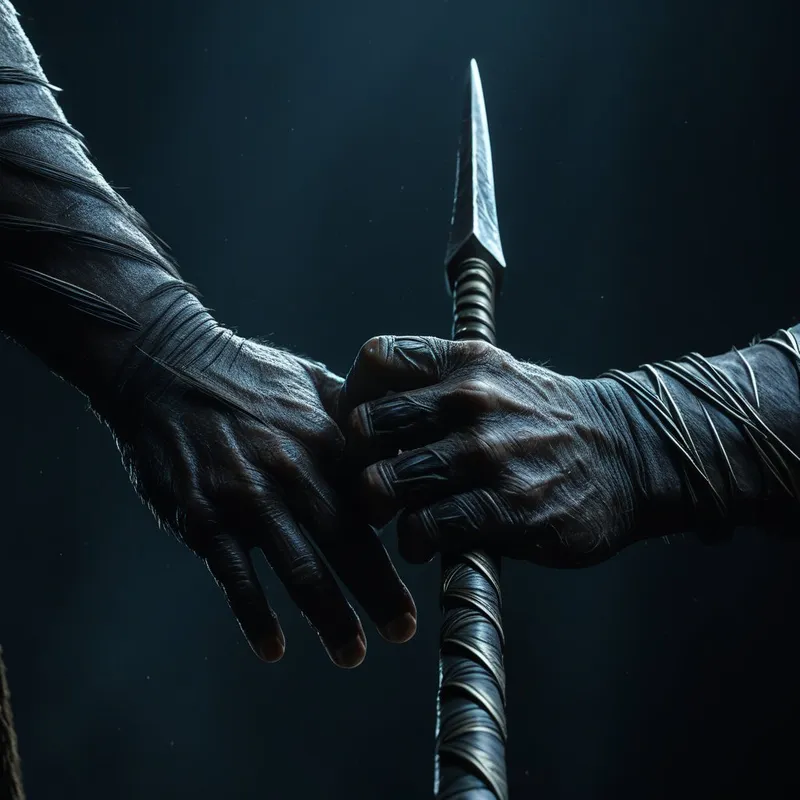
The Berserker was not merely a literary trope, but a documented social and religious phenomenon within the Viking Age. Historical accounts, like those in the Ynglinga Saga, describe them as Óðinns menn who fought without armor, "mad as dogs or wolves," and immune to iron and fire in their frenzy. They likely belonged to elite warrior brotherhoods, cults dedicated to Odin, the god of ecstasy, poetry, and death.
Their function was shock and awe—to break enemy formations with a display of supernatural terror. This state, the berserkergangr, was induced through ritualistic practices: isolation, rhythmic chanting (possibly the origin of the "bear-sark" or bear-shirt name), ingestion of psychoactive substances like henbane or amanita muscaria mushrooms, and intense psychosomatic conditioning. They were the sacred madmen of their society, occupying a liminal space between human and beast, warrior and monster, revered for their power yet potentially feared for the uncontrollable chaos they embodied. Their stories were told in halls not just as battle-tales, but as cautionary myths about the price of touching divine power.
Symbolic Architecture
At its core, the Berserker myth is a powerful map of possession and the shadow. The warrior does not become a bear; he is possessed by the bear-spirit. This is a critical distinction. It represents a total, temporary surrender of the conscious ego (the hamr) to a raw, archetypal force from the unconscious—the animal Self.
The Berserker does not control fury; he becomes the vessel through which Fury experiences the world.
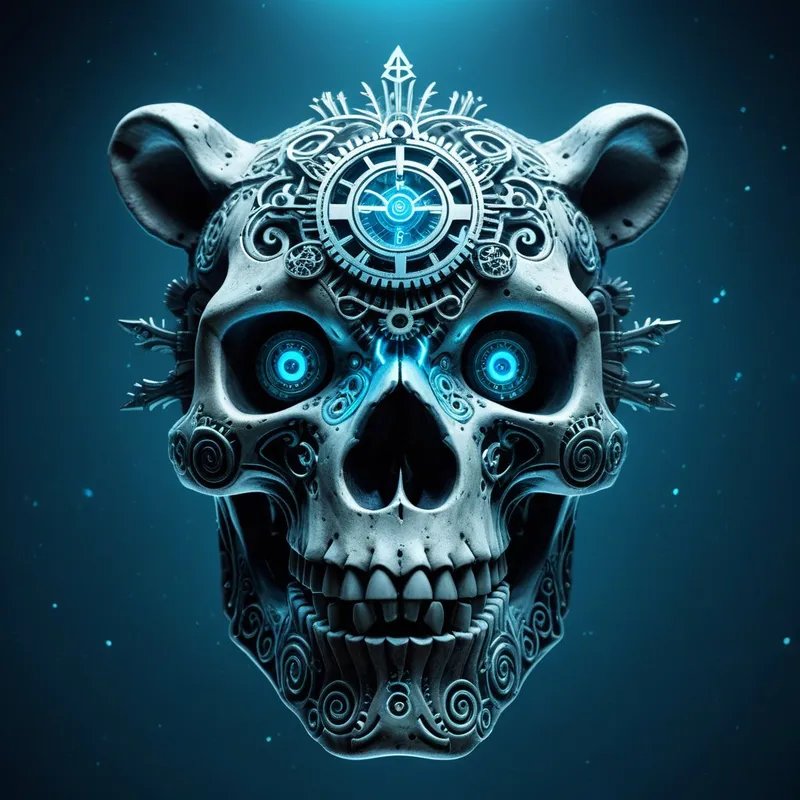
The bear and wolf are not random animals. They are perfect symbols of the untamed, instinctual psyche—the shadow in its most potent, physical form. The myth dramatizes what happens when the walls between the civilized self and the primal self are deliberately demolished. The "immunity to fire and iron" symbolizes the transcendence of ordinary human limits and fears when one is identified with a numinous, archetypal energy. However, the inevitable collapse—the profound weakness and sleep—is the myth’s wise acknowledgment of the cost. The ego cannot host a god indefinitely without being consumed. The state is a sacred, but unsustainable, paradox: ultimate power born from ultimate surrender, followed by a necessary dissolution.
The Dreamer's Resonance
When this myth stirs in the modern dreamer, it rarely appears as a Viking warrior. It manifests as dreams of overwhelming, inexplicable rage; of losing control in a social or professional setting; of growing claws or fangs; or of being chased or confronted by a bear or wolf. Somatic sensations often accompany these dreams—a feeling of overheating, a pounding heart, a clenched jaw upon waking.
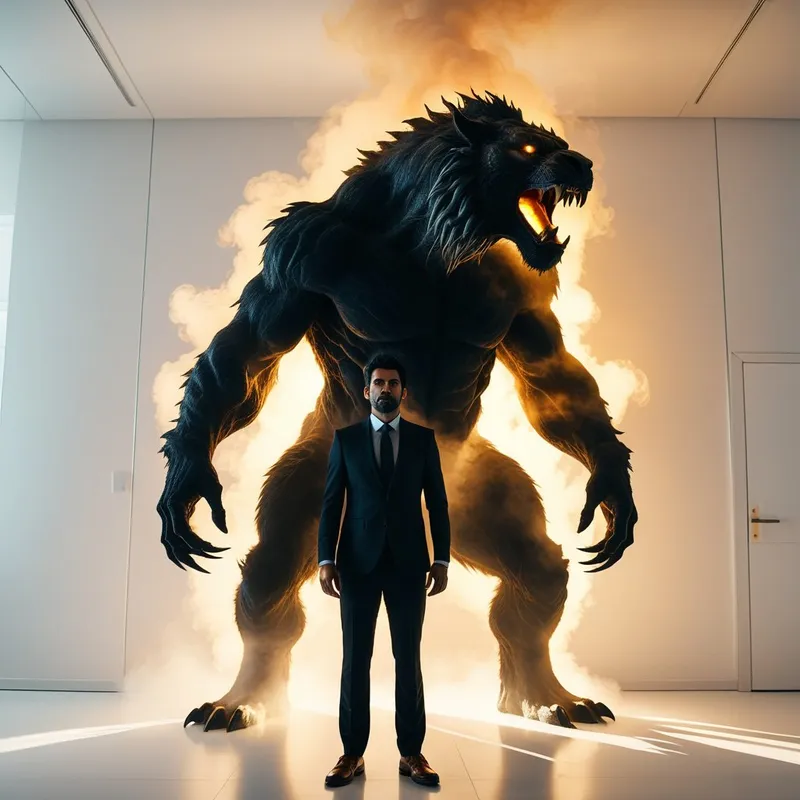
This is the psyche signaling that a Berserker-state is brewing unconsciously. It indicates a reservoir of instinctual energy—anger, passion, raw vitality—that has been too long caged by the demands of a civilized persona. The "going berserk" in a dream is not a prescription, but a symptom. It shows a part of the self that feels it must become monstrous to be heard, that must break something (often relationships, careers, or one's own health) to express its pent-up force. The dream is an invitation to acknowledge this inner "bear" before it stages a hostile takeover of the conscious life.
Alchemical Translation
The individuation process modeled by the Berserker is not about becoming the frenzied state, but about achieving a conscious relationship with the power that fuels it. The ancient warrior’s path was one of total, periodic possession. The modern alchemical task is one of integration.
The first step is recognition: to consciously feel the rising tremor of that primal energy in moments of frustration or passion, instead of reflexively suppressing it. The second is ritual containment: to create modern "shields to gnaw on"—safe, symbolic outlets like intense physical exercise, creative expression, or conscious rage work—where the energy can be channeled without causing literal destruction.
The goal is not to banish the inner bear, but to build a hearth where it can sit by the fire, its power acknowledged and respected, rather than feared and barricaded away.
This is the alchemical translation: from berserkergangr (the going berserk) to conscious embodiment. It means developing the strength of ego to "host" these powerful forces without being dissolved by them, to draw upon the bear's strength for perseverance or the wolf's ferocity for protection, while remaining the master of one's own hall. The final triumph is not the battle-frenzy, but the profound peace and wholeness that comes when no part of the self—not the gentle farmer nor the furious beast—has to be exiled into the cold. The warrior integrates his shadow, and in doing so, becomes truly, fully human.
Associated Symbols
Explore related symbols from the CaleaDream lexicon: