Aukele the Daring One Myth Meaning & Symbolism
A hero descends to the underworld of Milu to steal the Water of Life, facing gods and his own kin to restore vitality to the world.
The Tale of Aukele the Daring One
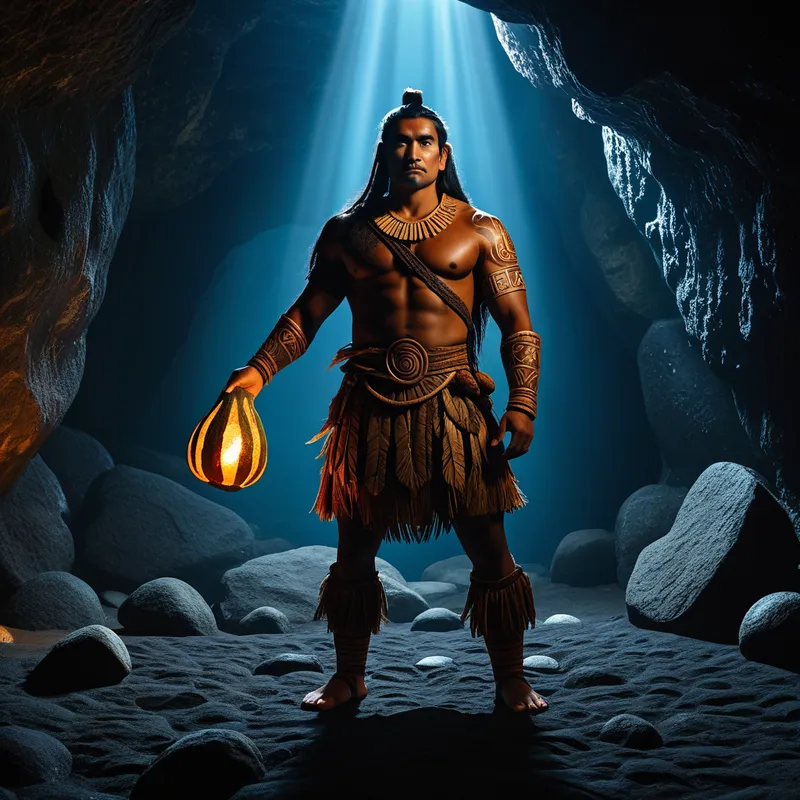
Listen. The world above was parched, a whisper away from dust. The great chiefs slept a sleep of thirst, their strength leached by an invisible sun. In the land of Kahiki, there was one who did not sleep. Aukele. He was the youngest, the one who asked questions that made the elders frown. He heard the lament of the land in the rustle of dry leaves, a plea carried on the wind from the very mouth of the sea.
His brothers, eleven in number, saw only his daring as impudence. When the great canoe was built for a voyage of desperation, they conspired. “Let the questioner be the bailer,” they said, condemning him to the dank, watery hold. But the ocean knew. The waves themselves whispered secrets to Aukele through the hull. He learned of Ka Wai Ola, the fabled water that pulsed in the heart of Milu, the dark land below the world. To go there was to forfeit breath, to dance with the ʻuhane who had shed their skin.
When the brothers, driven by storm and folly, were dashed upon the shores of that very land, their courage turned to ash. They stood at the pit, the entrance to Milu, and trembled. Aukele did not tremble. He took the strong cord of olonā, tied it about his waist, and gave the end to his brothers. “Lower me,” he said, his voice the sound of stone settling in a deep stream. “And do not let go.”
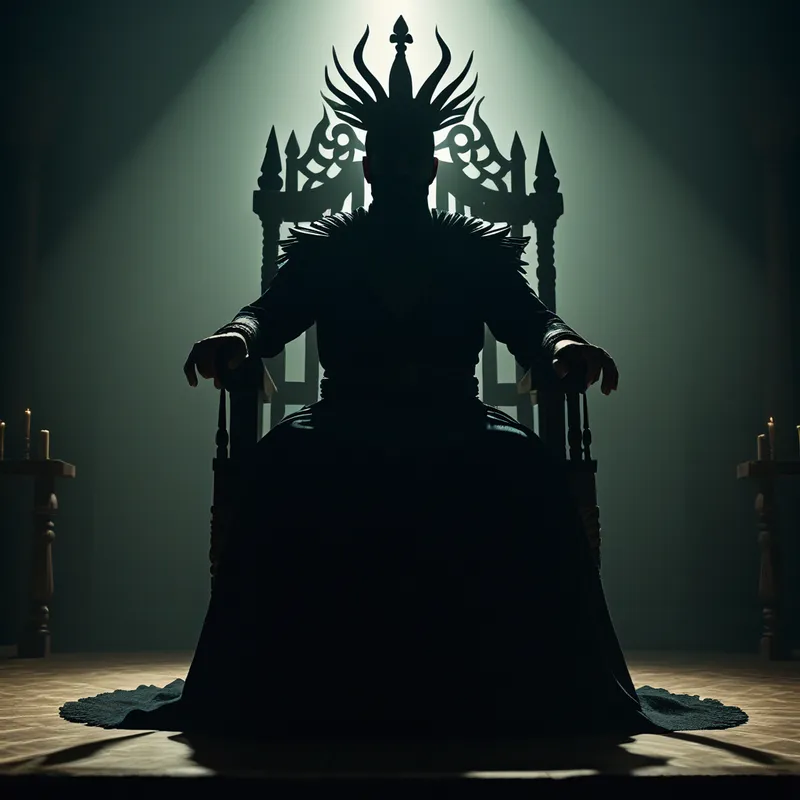
Down he went, into the perpetual twilight. The air was cold and smelled of wet earth and distant decay. He passed the first house, where spirits played konane on stone boards, their clicks the only sound. He passed the second, where they danced, their movements soundless and eternal. His heart was a drum in the silence. He found the house of Milu himself. The god-king was a presence of immense shadow, surrounded by his spectral court. Death sat on that throne, and it was bored.
Aukele knew he could not steal like a thief in the night. He must win the prize in open sight. When challenged, he did not reach for a weapon. He began to move. He danced the hula, not the dance of entertainment, but the sacred hula of old, the one that tells the stories of creation, of the birth of the islands from the fiery womb of Papa. His body became the story. He was the volcano erupting, the palm bending in the wind, the fisherman casting his net. In that land of stillness, he brought the memory of life.
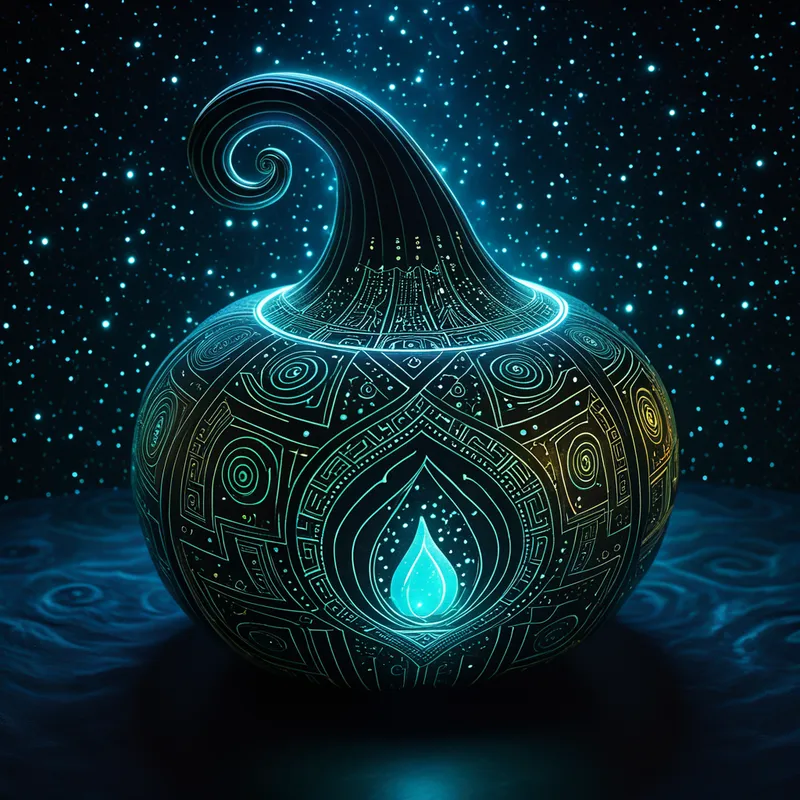
Milu was captivated. In that dance, he saw the world he ruled but could no longer feel. “You have pleased me,” the shadow-king rumbled. “Ask for a gift.” Aukele’s gaze went to the great gourd, the ipu, that sat by the throne. It glowed with a soft, internal light. “The water in that gourd,” Aukele said, his voice steady. “To remember the taste of your realm.”
The gift was given. But the journey back was the true trial. His brothers, fearful and petty, hauled him up only partway, then let the rope go slack, leaving him dangling in the abyss. Betrayal is a colder chill than the underworld’s air. Yet Aukele did not fall. He called upon the wisdom of the deep. He poured a few precious drops of the Ka Wai Ola onto the cord. It grew, strengthened, became a living vine that bore him upward, back to the world of light. He emerged, not with vengeance in his heart, but with the power of renewal in his hands. With the water, he awakened the sleeping chiefs. The world drank, and breathed again.
Cultural Origins & Context
The myth of Aukele is part of the vast, interconnected body of Hawaiian oral literature known as moʻolelo. These stories were not mere entertainment; they were the vessels of history, genealogy (kumulipo), ethics, and practical knowledge. The tale of Aukele is classified as a kaʻao, a heroic narrative that blends the historical with the mythological.
It was traditionally recited by kāhuna and skilled storytellers, often during the Makahiki season, a time of peace, harvest, and renewal. The story served multiple societal functions. It reinforced the value of akamai over brute force, illustrated the dangers of envy and betrayal among kin (a critical lesson in a society built on complex familial alliances), and, most importantly, it ritually enacted the eternal cycle of life, death, and rebirth. The hero’s descent and return mirrored the journey of the sun, the growth cycles of kalo (taro), and the very process of gaining mana through ordeal.
Symbolic Architecture
At its core, Aukele’s journey is a master map of the psyche’s descent into the unconscious—the personal and collective Milu. The eleven brothers represent the conscious ego’s collective attitudes: conventional, risk-averse, and ultimately betraying of the unique calling of the Self. Aukele, the twelfth, is the nascent consciousness willing to be lowered into the unknown.
The treasure is never in the light; it is forged in the confrontation with what the light has forgotten.
The underworld is not a place of punishment, but of potential. Its inhabitants are not tormented, but suspended in repetitive, unconscious patterns (playing games, dancing silently). Milu is the archetypal ruler of this inner realm, a personification of the depressive, static power of the unconscious that hoards vitality. Aukele’s weapon is not a spear, but sacred movement—the hula. This signifies that the way to engage the deepest, most numinous layers of the psyche is not through analysis alone, but through embodied expression, through making the unconscious conscious by giving it form and story.
The betrayal by the brothers is a crucial alchemical stage. It is the moment the ego, frightened by what is emerging, attempts to abort the process. The miraculous revival of the cord by the Ka Wai Ola symbolizes a profound truth: the energy gained from the depths itself provides the means for full integration. The resource for salvation is contained within the ordeal.
The Dreamer's Resonance
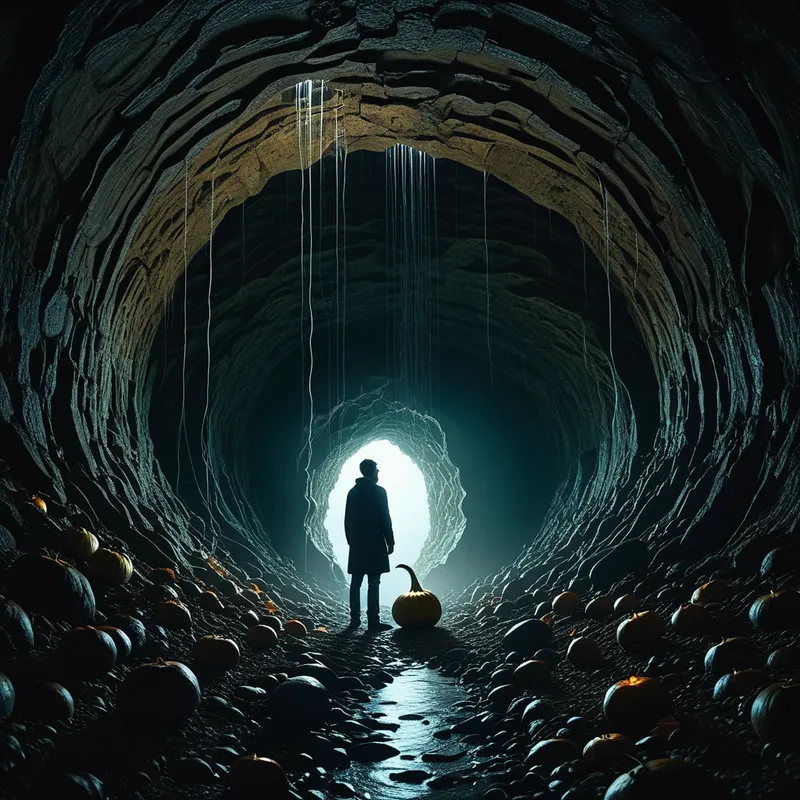
When this myth stirs in the modern dreamer, it announces a profound interior shift. To dream of a deep, earth-scented pit or cave you feel compelled to enter is to feel the call of your personal Milu. It is a summons to confront what has been buried: a creative potential, a forgotten trauma, a dormant passion.
Dreams of being betrayed or abandoned by family or colleagues as you undertake a difficult, solitary task mirror Aukele’s dangling moment. The somatic sensation is one of suspension—literal vertigo in the dream, or a feeling of being “in limbo” upon waking. This is the psyche’s representation of the critical transition phase, where old supports (ego attitudes) have failed, but the new, self-generated strength from the depths has not yet fully manifested. The dream may also present a vessel—a cup, a bowl, a gourd—that is cracked, overflowing, or glowing. This is the nascent, often fragile, feeling of having retrieved something vital from the inner journey, a new source of emotional or spiritual energy that feels both precious and unstable.
Alchemical Translation
The myth of Aukele is a precise model of Jungian individuation. The hero’s journey is inward. The first stage is nigredo: the “blackening,” represented by the betrayal and the descent into the dark land. This is the necessary dissolution of the old, naive conscious standpoint.
The dance before Milu is the albedo, the “whitening.” It is the stage of illumination and dialogue with the unconscious. Aukele does not fight the shadow-king; he honors him by presenting the full spectrum of life. This is the ego consciously relating to the archetypal powers of the unconscious, not as a slave or an enemy, but as a storyteller. The granting of the Ka Wai Ola is the symbolic conception of the Self.
The ultimate theft is an act of conscious reception; the treasure must be given by the darkness itself.
The ascent, fueled by the water’s power on the cord, is the rubedo, the “reddening” or return with the elixir. The retrieved substance is now used to animate what was dormant—the sleeping chiefs, the parched land of the psyche. This is integration. The vitality once locked in the underworld of repression, compulsion, or depression is liberated and becomes the animating principle of one’s conscious life. The hero is no longer just Aukele the daring one; he becomes Aukele the healer, the one who has drunk from the well of the deep Self and can now offer that water to the world.
Associated Symbols
Explore related symbols from the CaleaDream lexicon:
- Cave — The entrance to Milu, representing the portal to the unconscious, the womb of the earth where profound introspection and confrontation with shadow begin.
- Water — Specifically the Ka Wai Ola, symbolizing the life-giving essence of the unconscious, the fluid intelligence, emotional renewal, and psychic energy retrieved through ordeal.
- Journey — The central narrative structure of descent, ordeal, and return, mapping the essential process of psychological growth and the quest for wholeness.
- Betrayal — The brothers' abandonment of Aukele, representing the ego's fear and resistance to the transformative process, the necessary crisis that forces reliance on inner resources.
- Dance — Aukele's hula, the sacred movement that wins the prize; it symbolizes embodied wisdom, the expression of soul that communicates with deep archetypal forces where words fail.
- Cup — The ipu gourd, the vessel that holds the transformative elixir, representing the psyche's capacity to receive, contain, and integrate profound insights.
- Rebirth — The awakening of the sleeping chiefs by the water, symbolizing the revitalization of dormant aspects of the personality and the renewal of one's life force.
- Hero — Aukele himself, embodying the archetype that answers the call to venture into the unknown for a boon that serves something greater than the self.
- Shadow — The realm of Milu and its ruler, personifying the repressed, unknown, or feared contents of the personal and collective unconscious.
- Rope — The cord of olonā, representing the fragile but sacred connection to consciousness during the descent, which is transformed and strengthened by the very substance it seeks.
- Light — The glow of the Water of Life in the darkness, symbolizing consciousness, insight, and the illuminating power gained from engaging the depths.