The Dream of Performance: From Stage Fright to Sovereign Voice
The Somatic Echo
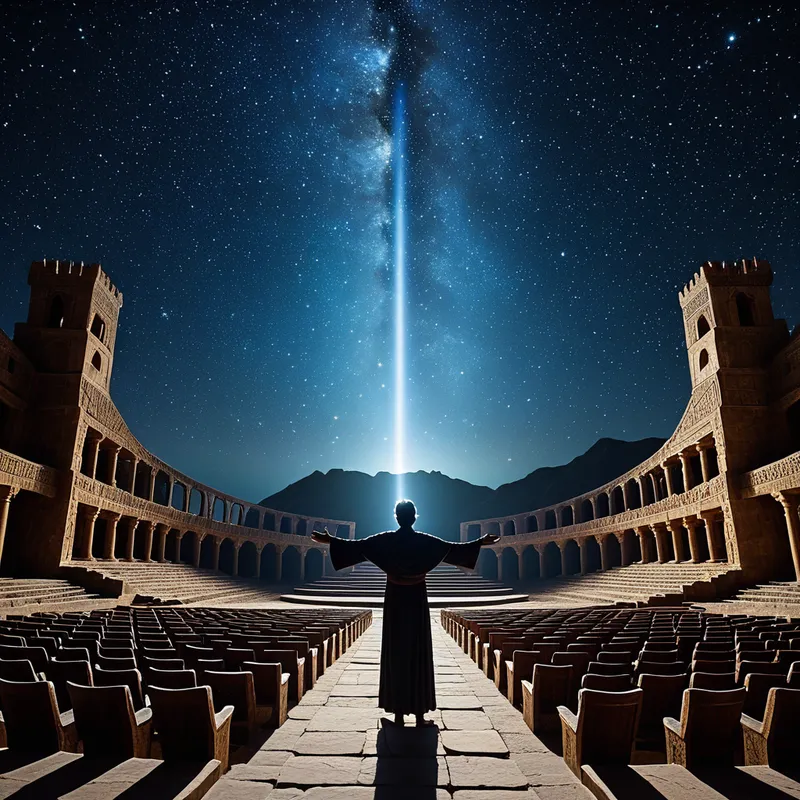
It begins not as a thought, but as a tightening. A cinching of the solar plexus, a cold, metallic taste at the back of the tongue. The breath becomes shallow, held hostage in the upper chest. Muscles along the jaw and shoulders brace, preparing for an impact that never comes from outside. This is the body’s ancient pre-show ritual, a somatic echo of an audience that exists only in the architecture of the mind. It is the feeling of being watched by a thousand invisible eyes, of being measured against a score you never agreed to play. The stage is internal, the lights are always on, and the critic is already in the front row, taking notes with a pen made of your own bone.
The Dreamer's Log (Case Vignette)
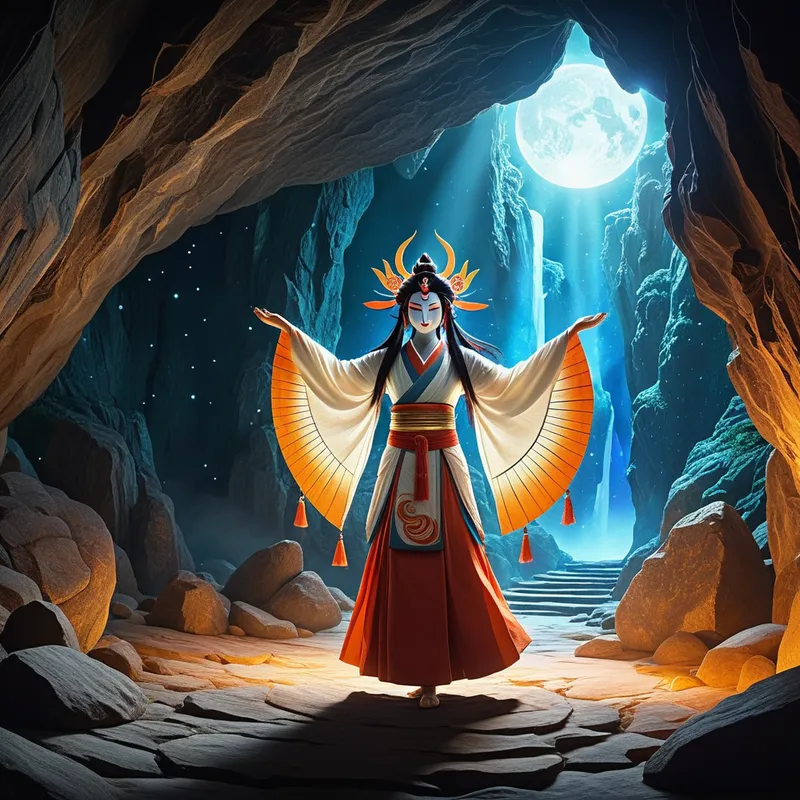
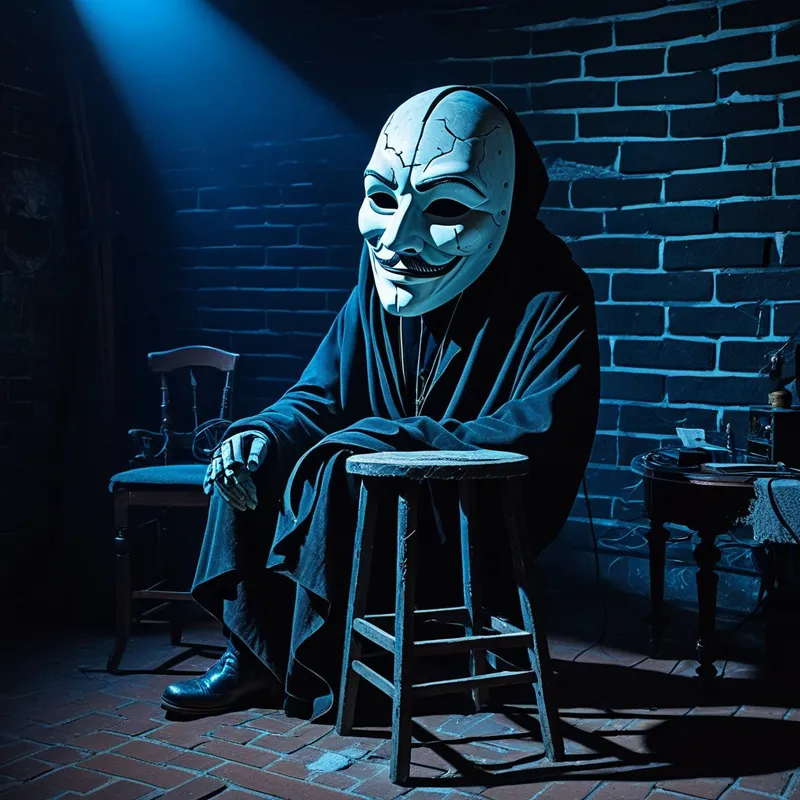
You are backstage in a theatre you don’t recognize, holding a script written in a language of shifting symbols. The curtain is about to rise, but you realize you are not in costume; you are wearing the clothes you slept in. A frantic search for your mask reveals only a cracked, porcelain face staring back from a dusty table. The audience’s murmur swells into a roar, and you know you must go on, utterly exposed.
This is the alchemical moment where the persona cracks, forcing the raw, unmasked self to meet the collective gaze.
The False Lead
This theme is not about mere social anxiety or a fear of public speaking. To reduce it to stage fright is to mistake the symptom for the disease. It is not a warning of impending failure in the outer world. The dream is not a prophecy of a botched presentation or a failed exam. It is, more profoundly, an internal referendum. The performance is always for an internalized audience—the accumulated expectations of parents, culture, past selves, and future ghosts. The terror is not of forgetting your lines, but of discovering you never had any of your own to begin with.
Psychological Architecture
Beneath the spotlight of the performance dream lies the shadow work of individuation—the process of separating your authentic voice from the chorus of expectations that has been singing through you. We are born into a world that hands us scripts: be good, be successful, be likable, be strong. These scripts become internalized parts, a cast of characters we employ to secure love and safety. The Performer is one such part, a skilled and anxious manager of impressions.
The dream of performance failure is the collapse of this managerial system. It is the Performer part going offline, overwhelmed. In that collapse, in the horror of facing the crowd unmasked, something else is born: the possibility of the Artist. The Artist does not perform for the audience; it speaks through the performance, using form to express a truth that originates in the depths. The shift from Performer to Artist is the core of the psychological architecture here. It requires dismantling the internal proscenium arch and listening for the voice that exists before the applause, after the boos, and in the vast silence between them.
Mythic Resonance
We see this eternal drama in the myth of Psyche and her impossible tasks. Aphrodite, the embodiment of collective, idealized beauty (the internalized audience), sets Psyche a series of performances: sort a mountain of seeds, gather golden wool from deadly rams, fetch water from a forbidden river. Psyche’s initial attempts, driven by pure terror of failure, lead to despair. Her transmutation begins only when she stops performing for the divine critic and instead surrenders, allowing the natural world—the ants, the river reed—to aid her. She moves from a solo performance under duress to a collaborative, authentic dialogue with the world. The task is not conquered through will alone, but through a fundamental shift in relationship to it.
Symbolic Nodes
- The Stage: The constructed arena of the ego, where the persona is displayed.
- Forgotten Lines/Script: A disconnect from the internalized program; the awakening of spontaneity.
- The Wrong Costume or Nudity: The terrifying exposure of the authentic self beneath the social mask.
- A Critical or Absent Audience: The internalized judgment of the superego, or the profound loneliness of feeling unseen in one’s truth.
- A Broken Instrument/Mask: The forced deconstruction of the tool of performance, creating the space for a new, more genuine expression.
Archetypal Resonance
The energy at the core of the performance dream is that of The Shadow Ruler. Not the sovereign who governs from authentic authority, but the Tyrant who rules through fear of exposure and a desperate need for control over perception. This Shadow Ruler is the internal director screaming in the wings, the critic who withholds approval to maintain power. Its somatic echo is the rigid, armoured body of command, all tension and no breath. Its alchemical potential lies in its dissolution, for when the tyrannical need to control the performance breaks down, the true, sovereign voice—the integrated Ruler—can finally speak from a place of calm, unassailable authority. The tyranny is over the self; the sovereignty is of the self.
The Alchemical Process
The transmutation here is from Lead of Approval-Seeking to Gold of Creative Sovereignty. The necessary heat is the unbearable warmth of the spotlight when you have nothing prepared. It is the pressure of standing in the silence, feeling the expectation thick as fog, and choosing not to deliver the old, rehearsed lines.
This is the Nigredo, the blackening: the moment of utter failure, the missed cue, the humiliating stumble. It feels like death. In that darkness, the old performer-identity dissolves. The Albedo, the whitening, is the revelation in the silence that follows. You are still here. The audience—internal and external—has not annihilated you. From this blankness, the Citrinitas, the yellowing, emerges as a new question: “If I am not here to perform for them, why am I here? What wants to be expressed through me?” The final Rubedo, the reddening, is the embodied act of expressing that answer, not as a performance for an outcome, but as a creation born of necessity. The stage becomes a sacred space, not a tribunal.
The Integration Protocol
Question 1: Who, specifically, is in the audience of your dream? Name the faces, the voices, the eras of your life they represent. What are they holding in their hands—scorecards, roses, or blindfolds?
Question 2: If your dream-stage were not a place of judgment, but a place of transmission, what single, essential feeling or truth would you most need to broadcast from it, even if no one understood?
Question 3: Where in your waking life are you still reading from a script written by someone else? Where is the gap between your rehearsed lines and the raw, unspoken text of your heart?
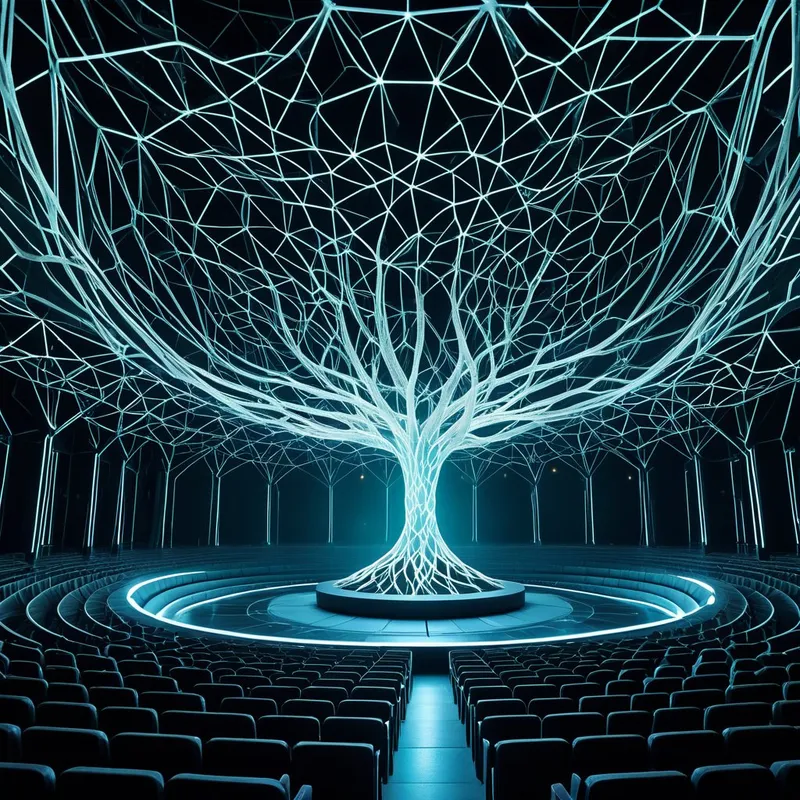
Action 1 (The Silent Audience): Sit in meditation and vividly imagine your internal audience filing into their seats. One by one, with deep respect, hand each of them a soft, black blindfold. Watch them put them on. Sit in the profound silence of the theatre when it is empty of all eyes but your own.
Action 2 (Script Burning): Take 10 minutes of unstructured, stream-of-consciousness writing. Write the script you feel forced to perform in any area of your life. Do not censor. At the end, physically tear it up, burn it (safely), or bury it. Perform this as a literal, small ritual of dissolution.
Action 3 (The Imperfect Broadcast): Create a small, intentional "performance" with the sole goal of imperfect authenticity. Sing a song alone in your car with full feeling, dance in your kitchen with no steps, or speak your true opinion in a conversation without editing it for palatability. The goal is not quality, but the felt sense of expression without an internal critic's review.
Final Validation
The terror of the performance dream is real. It is the vertigo of the soul standing at the edge of its own becoming, looking down into the abyss between who you were told to be and who you actually are. That fear is not a sign of weakness, but a measure of the stakes. To integrate this dream is not to become a flawless performer, immune to judgment. It is to quietly step off the stage of other people’s expectations and into the studio of your own spirit. There, you are no longer an actor auditioning for a part. You are the playwright, the director, and the sole, appreciative audience for the first, rough draft of a truth that is finally, blessedly, your own. The house lights come up. You see the seats are empty. And you begin.