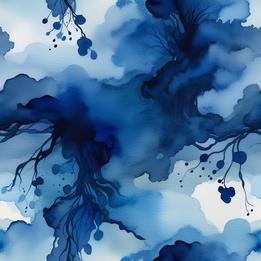
Wispy Watercolor
Soft and transient, this symbol evokes the fluidity of emotions and the ephemeral nature of thoughts and feelings.
Wispy Watercolor Dream Meaning
Soft and transient, this symbol evokes the fluidity of emotions and the ephemeral nature of thoughts and feelings.
Interpretive Themes
Ephemeral Beauty
highWispy watercolors capture moments that evoke a sense of beautiful fragility.
Emotional Expression
highWatercolor's softness symbolizes tender feelings that are often hard to articulate.
Memory and Nostalgia
mediumWispy qualities depict fading memories, representing how they shift and shift.
Change and Transformation
highThe blending nature of watercolor signifies transformation and the fluid dynamics of personal growth.
Vulnerability
highExposing the intimate process of creating with watercolor denotes an openness to vulnerability.
Mythological Resonance
Psyche
GreekThe soul personified as a beautiful maiden whose emotions are as fluid and changing as water, representing the ephemeral nature of human feeling.
Mizu no Kokoro (Mind Like Water)
JapaneseThe Zen concept of a mind that reflects reality perfectly without distortion, clear yet responsive like undisturbed water.
Cultural Lenses
East Asian Perspective
View Context →Watercolor techniques like 'sumi-e' emphasize simplicity and nature. Used in traditional art forms that celebrate the ephemeral beauty of life. [Japanese] Reflects a Zen philosophy in expressing emotions.
European Perspective
View Context →The use of natural pigments to create flowing, soft artworks nabers traditional storytelling. In festivals, watercolors depict narratives of local legends. [Celtic] Creates a linkage between the past and the present.
European Perspective
View Context →Watercolor saw a significant flourish in the 18th and 19th centuries. Art exhibitions often showcase watercolor artworks that reflect personal emotions. [Western] Often used as a healing tool in artistic therapy.
African Perspective
View Context →The application of vibrant watercolors in murals and textiles speaks to cultural stories. In communal settings, watercolor art engages audiences in narratives. Involves depicting life cycles and communal experiences.
East Asian Perspective
View Context →Watercolors are traditionally applied in creating religious themes and scenes. Used in festivals to depict stories of gods and mythology. [South Asian] [Hindu] Illustrates devotion and the beauty of life’s fleeting moments.
Historical Authorities
Want a deeper analysis?
Get a personalized interpretation of your entire dream including this symbol.
Interpret My DreamThe Oracle's Prediction
Combine multiple symbolsAn emotional breakthrough in a significant relationship will occur.
Timeframe
Seasonal (~3 Months)
Intensity
Deep
Common Appearances & Contexts
| Context | Emotion | Interpretation |
|---|---|---|
| Context Painting with watercolors | Emotion Joy | Interpretation Indicates creative exploration and a desire to express feelings freely. |
| Context Watching watercolor paint dissolve | Emotion Surrender | Interpretation Represents acceptance of change and relinquishing control over life's unpredictability. |
| Context Creating a watercolor landscape | Emotion Calm | Interpretation Evokes a sense of peace and connection with nature's beauty. |
| Context Drowning in watercolors | Emotion Overwhelmed | Interpretation Highlights feeling engulfed by emotions and the chaos of experiences. |
| Context Receiving a watercolor gift | Emotion Appreciation | Interpretation Represents deep connection and shared emotional experiences that bring joy. |
| Context Watching watercolors mix | Emotion Curiosity | Interpretation Symbolizes interest in how experiences can blend and shape identities. |
| Context Wandering through a watercolor dreamscape | Emotion Wonder | Interpretation Reflects exploration of one's inner world and the beauty of imagination. |
| Context Creating a messy watercolor piece | Emotion Embarrassment | Interpretation Represents fear of vulnerability and imperfection in emotional expression. |
| Context Seeing an unfinished watercolor painting | Emotion Longing | Interpretation Signifies unfulfilled potential and the desire to complete emotional journeys. |
| Context Fading watercolor artworks | Emotion Sadness | Interpretation Represents the inevitable passage of time affecting beauty and cherished moments. |
Interpret Your Full Dream
Beyond this symbol, every dream carries a unique story. Share your dream for a personalized AI-powered interpretation.