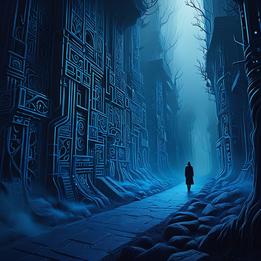
Typography
The art of arranging type to make written language legible and visually appealing. In dreams, it often represents communication, identity, and the structure of thought.
Typography Dream Meaning
The art of arranging type to make written language legible and visually appealing. In dreams, it often represents communication, identity, and the structure of thought.
Interpretive Themes
Mythological Resonance
Hermes
GreekGod of communication and boundaries, inventor of writing who carried messages between worlds.
Runes
NorseSacred alphabetic symbols believed to hold magical power when properly arranged and understood.
Cultural Lenses
Jungian Perspective
View Context →Typography represents the persona—the mask we present to the world. Different fonts symbolize various archetypal expressions, while the act of typesetting reflects the individuation process of organizing unconscious contents into conscious form.
Freudian Perspective
View Context →Letters and their arrangement symbolize phallic and vaginal imagery. The spacing between letters represents sexual tension, while font styles reveal repressed desires about self-presentation and social acceptance.
Gestalt Perspective
View Context →The whole typographic composition represents the self. Individual letters are meaningless without context—the dreamer must examine how typographic elements relate to create meaning about their current life situation and unfinished business.
Cognitive Perspective
View Context →Typography in dreams reflects information processing. Font clarity indicates cognitive load, while layout problems symbolize working memory issues. The brain uses typographic metaphors to represent how we organize and retrieve mental content.
Evolutionary Perspective
View Context →Typography represents modern extensions of pattern recognition and social signaling. Clear fonts indicate trustworthy communication, while decorative typefaces serve as status displays, echoing ancestral needs for reliable information and social hierarchy.
East Asian Perspective
View Context →In Chinese and Japanese traditions, calligraphy (shodō/shūfǎ) represents spiritual discipline. Dream typography reflects qi flow—balanced characters indicate harmony, while distorted ones suggest blocked energy. Modern digital type maintains this spiritual connection to written form.
Middle Eastern Perspective
View Context →Arabic calligraphy (khatt) is sacred, representing divine revelation. Dream typography connects to Quranic illumination traditions—geometric patterns symbolize cosmic order, while flowing scripts represent spiritual grace. Modern typography maintains this sacred geometry in secular contexts.
European Perspective
View Context →From Gutenberg to Bauhaus, typography represents intellectual revolution. Dream letters reference printing history—blackletter fonts suggest tradition, while sans-serif indicates modernity. The dream reflects tensions between classical education and contemporary communication.
African Perspective
View Context →Nsibidi and other indigenous scripts represent secret knowledge. Dream typography connects to adinkra symbols—geometric patterns encoding proverbs. Modern typefaces in dreams may represent cultural preservation or assimilation pressures in post-colonial contexts.
Latin American Perspective
View Context →Mesoamerican glyphs and colonial manuscripts create layered symbolism. Dream typography reflects syncretism—pre-Columbian pictograms merging with Latin alphabet. Modern graffiti fonts in dreams represent political resistance and cultural identity reclamation.
Modern Western Perspective
View Context →Typography represents personal branding in digital culture. Dream fonts reflect social media personas—clean sans-serif for professionalism, script fonts for authenticity. The dream examines tensions between curated identity and authentic self-expression in algorithmic societies.
Global/Universal Perspective
View Context →Across cultures, typography represents humanity's transition from oral to literate consciousness. Dream letters symbolize the technology of thought itself—how we externalize and structure mental content. This universal experience transcends specific cultural implementations of writing systems.
Historical Authorities
Want a deeper analysis?
Get a personalized interpretation of your entire dream including this symbol.
Interpret My DreamThe Oracle's Prediction
Combine multiple symbolsA significant communication or presentation opportunity.
Timeframe
Seasonal (~3 Months)
Intensity
Deep
Common Appearances & Contexts
| Context | Emotion | Interpretation |
|---|---|---|
| Context Designing a font | Emotion Creative | Interpretation Crafting unique identity. |
| Context Illegible text | Emotion Frustrated | Interpretation Communication breakdown. |
| Context Changing font size | Emotion Anxious | Interpretation Adjusting self-presentation. |
| Context Bold typography | Emotion Confident | Interpretation Asserting strong message. |
| Context Fading letters | Emotion Nostalgic | Interpretation Memory loss. |
| Context Animated text | Emotion Playful | Interpretation Dynamic communication. |
| Context Handwritten type | Emotion Personal | Interpretation Authentic expression. |
| Context Corporate fonts | Emotion Constrained | Interpretation Institutional conformity. |
| Context Broken typeface | Emotion Distressed | Interpretation Fragmented identity. |
| Context Golden letters | Emotion Awed | Interpretation Valuable truth. |
| Context Moving typography | Emotion Unsettled | Interpretation Unstable thoughts. |
| Context Perfect alignment | Emotion Satisfied | Interpretation Mental order achieved. |
Interpret Your Full Dream
Beyond this symbol, every dream carries a unique story. Share your dream for a personalized AI-powered interpretation.