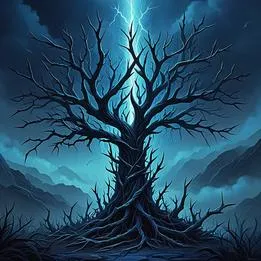
Thorn Dream Meaning
A symbol of pain, protection, and hidden beauty, representing obstacles that guard growth or cause suffering.
Common Appearances & Contexts
| Context | Emotion | Interpretation |
|---|---|---|
| Pricking finger | Surprise | Sudden, sharp awakening. |
| Removing thorns | Relief | Overcoming a persistent problem. |
| Thorn crown | Suffering | Martyrdom or heavy burden. |
| Thorn barrier | Frustration | Blocked progress or access. |
| Thorn in side | Irritation | Chronic annoyance or pain. |
| Thorn tattoo | Resilience | Embracing past pain. |
| Thorn necklace | Protection | Warding off harm. |
| Thorn path | Determination | Painful but necessary journey. |
| Thornless rose | Vulnerability | Beauty without defense. |
| Thorn weapon | Aggression | Using pain as defense. |
| Thorn garden | Isolation | Self-imposed barriers. |
| Healing thorn | Hope | Pain leading to cure. |
Interpretive Themes
Suffering & Sacrifice
highThorns cause pain but may shield something valuable.
Hidden Danger
highThorns often surprise, representing unexpected challenges.
Protective Boundaries
mediumThorns guard roses, symbolizing necessary defenses.
Growth Through Pain
mediumPain from thorns can stimulate awareness or change.
Beauty & Pain Duality
lowThorns on roses show life's mixed nature.
Cultural Lenses
Jungian Perspective
View Context →Represents the shadow self or painful aspects of the psyche that must be integrated for wholeness, often appearing in dreams as symbols of unconscious conflicts or defensive mechanisms.
Freudian Perspective
View Context →Symbolizes repressed sexual anxiety or phallic imagery representing penetration fears, with thorns often indicating subconscious conflicts about intimacy, aggression, or bodily harm.
Gestalt Perspective
View Context →Represents unfinished business or 'stuck points' in personal growth, where the dreamer projects their own painful experiences or defensive attitudes onto the thorn symbol.
Cognitive Perspective
View Context →Reflects mental schemas about obstacles or threats, where thorns represent cognitive distortions about danger or the brain's way of processing real or perceived painful experiences.
Evolutionary Perspective
View Context →Rooted in primal avoidance of physical harm, thorns trigger ancient threat detection systems, representing evolved responses to environmental dangers or social boundaries.
Global/Universal Perspective
View Context →Cross-culturally recognized as a symbol of pain, protection, and sacrifice, appearing in myths worldwide from the Crown of Thorns to protective hedges in folk traditions.
Middle Eastern Perspective
View Context →In Abrahamic traditions, thorns represent divine punishment (Genesis) and Christ's suffering, while in Islamic art they symbolize earthly trials and the need for spiritual protection.
European Perspective
View Context →In Celtic and Norse traditions, thorns protect sacred spaces; in medieval Europe, they symbolized martyrdom and the painful path to salvation in Christian iconography.
East Asian Perspective
View Context →In Chinese symbolism, thorns represent obstacles to harmony; in Japanese culture, they're associated with bushido's acceptance of pain and cherry blossoms' fleeting beauty with hidden dangers.
African Perspective
View Context →In many African traditions, thorns are used in protective rituals and initiation ceremonies, symbolizing both the pain of transition and the boundaries that define community safety.
Latin American Perspective
View Context →In Mesoamerican cultures, thorns were used in bloodletting rituals; in modern contexts, they represent the painful legacy of colonization and resilient cultural survival.
Modern Western Perspective
View Context →Often appears in psychology as metaphor for emotional pain, in self-help as 'growth through adversity,' and in media as symbols of dangerous beauty or protective boundaries.
Interpret Your Full Dream
Beyond this symbol, every dream carries a unique story. Share your dream for a personalized AI-powered interpretation.