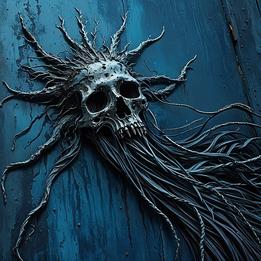
Tarnish
A process of corrosion or discoloration, often on metal surfaces, symbolizing decay, neglect, or the loss of original purity or value.
Tarnish Dream Meaning
A process of corrosion or discoloration, often on metal surfaces, symbolizing decay, neglect, or the loss of original purity or value.
Interpretive Themes
Cultural Lenses
Jungian Perspective
View Context →Shadow material surfacing; the tarnish represents repressed aspects of the psyche coming to light, requiring integration rather than polishing away. Individuation process involves acknowledging these 'imperfections'.
Freudian Perspective
View Context →Superego's judgment on id impulses; tarnish symbolizes moral contamination from repressed desires, particularly sexual or aggressive urges deemed unacceptable by societal norms.
Gestalt Perspective
View Context →Unfinished business manifesting; the tarnish represents unresolved conflicts or neglected aspects of self that demand attention in the present moment for wholeness.
Cognitive Perspective
View Context →Cognitive distortion made visible; tarnish represents negative thought patterns or core beliefs that have 'corroded' one's perception of reality, requiring cognitive restructuring.
Evolutionary Perspective
View Context →Resource degradation warning; tarnish triggers ancestral concerns about tool/weapon maintenance failure or social status erosion, activating threat detection systems for survival advantage.
East Asian Perspective
View Context →In Taoist/Buddhist contexts, tarnish represents natural wu-wei process—neither good nor bad. In Confucian thought, it signals neglect of ritual propriety (li) requiring corrective action.
European Perspective
View Context →Medieval alchemical process of nigredo (blackening) preceding transformation; Victorian era moral taint; Romantic era symbol of melancholy beauty in decay.
Middle Eastern Perspective
View Context →In Islamic thought, tarnish on silver represents nafs (ego) obscuring the heart's purity; in Zoroastrianism, symbolizes Angra Mainyu's corruption of Ahura Mazda's perfect creation.
African Perspective
View Context →In many traditions, tarnish on ritual objects indicates spiritual neglect requiring cleansing ceremonies; in Ubuntu philosophy, represents damaged communal harmony needing restoration.
Modern Western Perspective
View Context →Capitalist metaphor for depreciating assets; therapeutic symbol of emotional baggage; environmental concern about pollution's corrosive effects on nature and society.
Global/Universal Perspective
View Context →Cross-cultural memento mori—reminder of impermanence; nearly all traditions recognize tarnish as metaphor for moral/ spiritual corrosion requiring conscious maintenance.
South Asian Perspective
View Context →In Hindu philosophy, tarnish represents avidya (ignorance) obscuring atman's brilliance; in Ayurveda, indicates ama (toxins) accumulation requiring purification for holistic health.
Want a deeper analysis?
Get a personalized interpretation of your entire dream including this symbol.
Interpret My DreamCommon Appearances & Contexts
| Context | Emotion | Interpretation |
|---|---|---|
| Context Tarnished heirloom | Emotion Guilt | Interpretation Neglected family legacy. |
| Context Polishing tarnish | Emotion Hope | Interpretation Restoration is possible. |
| Context Tarnish spreading | Emotion Anxiety | Interpretation Fear of corruption. |
| Context Ignoring tarnish | Emotion Apathy | Interpretation Accepting deterioration. |
| Context Tarnished medal | Emotion Shame | Interpretation Past glory faded. |
| Context Tarnish on mirror | Emotion Confusion | Interpretation Self-image distorted. |
| Context Removing tarnish | Emotion Pride | Interpretation Reclaiming true self. |
| Context Tarnished jewelry | Emotion Sadness | Interpretation Love grown dull. |
| Context Tarnish as beautiful | Emotion Acceptance | Interpretation Aging with grace. |
| Context Tarnish on tools | Emotion Frustration | Interpretation Skills neglected. |
| Context Preventing tarnish | Emotion Vigilance | Interpretation Protecting what matters. |
| Context Tarnish as patina | Emotion Wisdom | Interpretation Value in aging. |
Interpret Your Full Dream
Beyond this symbol, every dream carries a unique story. Share your dream for a personalized AI-powered interpretation.