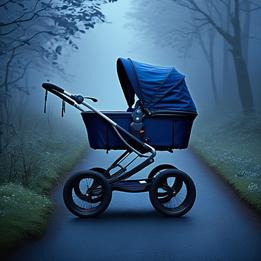
Stroller
A stroller symbolizes nurturing, care, and the journey of parenthood. It represents the responsibilities and joys that come with guiding someone through life.
Stroller Dream Meaning
A stroller symbolizes nurturing, care, and the journey of parenthood. It represents the responsibilities and joys that come with guiding someone through life.
Interpretive Themes
Nurturing
highA stroller reflects the responsibility of caring for another being.
Growth
highSymbolizes the journey of fostering development in a child or self.
Responsibility
highRepresents the weight of responsibilities that accompany caring for another.
Transition
mediumCan symbolize life's transitions, such as parenthood or maturity.
Connection
mediumRepresents emotional ties and the importance of relationships.
Mythological Resonance
Demeter
GreekThe goddess who nurtured the growth of grain and fiercely protected her daughter Persephone, embodying maternal care and cyclical journeys.
Hathor
EgyptianThe celestial cow goddess who nourished humanity with her milk, representing divine sustenance and protective love.
Cultural Lenses
European Perspective
View Context →In many European countries, strollers reflect cultural norms of outdoor parenting. Families stroll through towns or parks, illustrating community and connection. Parents often integrate traditional strolls into lifestyle choices.
East Asian Perspective
View Context →Strollers are increasingly embraced in urban areas as representations of modern parenting. Public spaces often filled with families using strollers. [Asian Cultures] Highlights the blend of tradition and modernity in family life.
African Perspective
View Context →Strollers carry cultural significance within family gatherings and community interactions. Often used in family events and celebrations reflecting the importance of familial bonds. [African American] Reflects the value placed on childhood and the nurturing environment.
Historical Authorities
Want a deeper analysis?
Get a personalized interpretation of your entire dream including this symbol.
Interpret My DreamThe Oracle's Prediction
Combine multiple symbolsA deepening of care or a new nurturing bond will emerge.
Timeframe
Seasonal (~3 Months)
Intensity
Deep
Common Appearances & Contexts
| Context | Emotion | Interpretation |
|---|---|---|
| Context Pushing a stroller in a park | Emotion Content | Interpretation Indicates satisfaction with nurturing roles and responsibilities. |
| Context Struggling to push the stroller uphill | Emotion Overwhelmed | Interpretation Represents challenges faced in caregiving or life responsibilities. |
| Context Strolling through a busy street | Emotion Anxious | Interpretation Conveys feelings of stress in managing multiple roles. |
| Context Seeing an empty stroller | Emotion Lonely | Interpretation May signify feelings of emptiness or longing for connection. |
| Context Choosing a new stroller | Emotion Excited | Interpretation Symbolizes anticipation for upcoming responsibilities and changes. |
| Context Stroller breaking down | Emotion Frustrated | Interpretation Represents fears of inadequacy in fulfilling responsibilities. |
| Context Watching others push strollers | Emotion Jealous | Interpretation Indicates feelings related to personal aspirations and comparisons. |
| Context Riding in a stroller as an adult | Emotion Childlike | Interpretation May symbolize a desire to return to a simpler, carefree state of being. |
| Context Decorating a stroller | Emotion Joyful | Interpretation Reflects positive anticipation about future responsibilities. |
| Context Strolling with a partner | Emotion Connected | Interpretation Signifies teamwork and shared responsibilities in relationships. |
| Context Chasing after a runaway stroller | Emotion Panicked | Interpretation Represents deep-seated fears of losing control in care or relationships. |
| Context Stroller filled with unexpected items | Emotion Surprised | Interpretation Indicates unexpected changes or responsibilities ahead. |
| Context Walking in slow motion with a stroller | Emotion Reflective | Interpretation Symbolizes the importance of slowing down to appreciate life's journey. |
| Context Talking to a child while pushing the stroller | Emotion Nurturing | Interpretation Reflects deep connection and commitment to guiding another life. |
| Context Emptying the stroller | Emotion Relieved | Interpretation Represents the release of burdens or emotions carried during nurturing. |
| Context Stroller transformed into a vehicle | Emotion Creative | Interpretation Symbolizes innovative approaches to nurturing and responsibilities. |
Interpret Your Full Dream
Beyond this symbol, every dream carries a unique story. Share your dream for a personalized AI-powered interpretation.