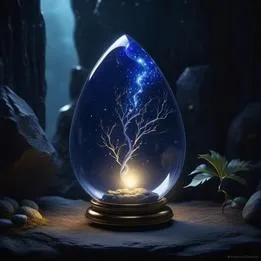
Spirit
The Oracle's Essence
Spirit symbolizes the essence of life, vitality, and the spiritual journey of the individual.
Interpretive Themes
✧ Archetypal Essence
Magician
Dominant Influence ( 90%)
The Magician works with invisible forces, but may confuse spiritual seeking with avoidance.
The Light
The Magician works with invisible forces, but may confuse spiritual seeking with avoidance.
The Shadow
The Magician works with invisible forces, but may confuse spiritual seeking with avoidance.
Modern Visibility
In contemporary terms, spirit encompasses one's emotional well-being and connection to the larger universe.
◈ Mythological Resonance
Reference Myth Meaning & Symbolism
Global/Universal traditionExplore the profound myth of Reference, the cosmic librarian who holds the universe's memory. Discover its psychological meaning for modern identity and the search for truth.
Bi Discs Myth Meaning & Symbolism
Chinese traditionThe Bi is a conduit for the soul (Hun), facilitating its journey and representing the refined, enduring aspect of being.
Clootie Wells Myth Meaning & Symbolism
Celtic traditionThe unnamed, animating presence of the well and the land that accepts the offering and facilitates the transfer of illness from person to place.
North Star/Polaris Myth Meaning & Symbolism
Multiple traditionIt embodies the guiding spirit or higher self that remains constant despite the changes and trials of the earthly, material life.
Alcheringa the Dream Time Myth Meaning & Symbolism
Aboriginal Australian traditionThe enduring presence and consciousness of the Ancestral Beings within the land, symbolizing the animated, sacred nature of all creation.
Agloolik Spirit Under the Ice Myth Meaning & Symbolism
Inuit traditionThe essential force or consciousness of Agloolik, representing the animating intelligence within the depths of the self and the world.
Ahura Mazda Myth Meaning & Symbolism
Persian traditionDenotes the immaterial, divine essence of Ahura Mazda and the Amesha Spentas, as well as the fundamental choice between the Holy Spirit (Spenta Mainyu) and the Destructive Spirit.
Aba-Khatun Earth Goddess Myth Meaning & Symbolism
Siberian traditionThe animating kut of Aba-Khatun that becomes the eezi of all places, representing the soul infused within matter and the sacredness inherent in the natural world.
Aar Aiyy Light Spirits Myth Meaning & Symbolism
Siberian traditionThe essential nature of the Aar Aiyy as celestial beings, denoting the non-material, animating principle that seeks embodiment.
Aipaloovik Evil Sea Spirit Myth Meaning & Symbolism
Inuit traditionThe myth revolves around engagement with the spirit world, depicting the necessary and dangerous dialogue between human consciousness and the autonomous, powerful entities of the unseen.
Aranda Creation Stories Myth Meaning & Symbolism
Aboriginal Australian traditionThe essential, immortal power of the Inapatua that persists within the landscape, symbolizing the enduring archetypal energy within every aspect of the created self.
Anhanga Spirit of the Forest Myth Meaning & Symbolism
Amazonian traditionRepresents the non-material, conscious essence of a place or being; Anhanga is the specific spirit of the forest's autonomy and moral law.
Ariun Gal Sacred Fire Myth Meaning & Symbolism
Mongolian traditionThe intangible essence carried by the fire; the animating principle of life, culture, and connection to the divine that becomes accessible to humanity through the mythic act.
Ausangate Mountain God Myth Meaning & Symbolism
Incan traditionThe animating principle of the Apu, the divine consciousness that chooses relationship and flow over isolated permanence.
Baron Samedi Myth Meaning & Symbolism
African Diaspora traditionHe embodies the ancestral spirit that is irreverent, demanding, and intimately connected to the community's relationship with its past and its mortality.
Aziza Forest Spirits Myth Meaning & Symbolism
West African traditionThe essential, non-material intelligence and animating force within all things, represented by the Aziza as benevolent guides from the unseen world.
Batak Creation Myth Myth Meaning & Symbolism
Indonesian traditionThe animating breath given to the first humans, representing the infusion of conscious awareness and divine essence into the formed material world.
Beriah the World of Creation Myth Meaning & Symbolism
Kabbalistic traditionThe essential quality of Beriah; it is the world of pure spirit-intellect, where beings are defined by their essence and function rather than material form.
Barong and Rangda Myth Meaning & Symbolism
Indonesian traditionBoth Barong and Rangda are spiritual entities, reminding us that the psyche's deepest struggles have a transpersonal, sacred dimension.
Bathala Myth Meaning & Symbolism
Filipino traditionThe kaluluwa breathed into the first humans, symbolizing the divine spark of consciousness and individual soul.
Bannik Myth Meaning & Symbolism
Slavic traditionBannik is a genius loci, a spirit of place, reminding us that profound psychological work often requires acknowledging and engaging with the specific "spirit" or energy of our inner landscapes.
Birrul the Owl Myth Meaning & Symbolism
Aboriginal Australian traditionBirrul is an ancestral spirit, a personification of a fundamental force of nature and psyche, reminding us that the world is ensouled and communicative.
Bogd Khan Mountain Myth Meaning & Symbolism
Mongolian traditionThe animating consciousness of the land, representing the numinous, alive quality of the unconscious psyche that demands relationship, not domination.
Buga the Creator Evenki Myth Meaning & Symbolism
Siberian traditionThe animating presence of Buga and the driving force behind the creative longing and the collaborative pact.
Book of Enoch Angel Wars Myth Meaning & Symbolism
Hebrew traditionThe disembodied Nephilim, representing haunting, autonomous complexes that persist long after the initial psychic conflict has passed.
Bora Initiation Ceremony Origin Myth Meaning & Symbolism
Aboriginal Australian traditionThe invisible but palpable force of the Dreaming that animates the ceremony, the knowledge passed down, and the transformed state of the initiate.
Burkhan Khaldun Sacred Mountain Myth Meaning & Symbolism
Mongolian traditionThe ejen of the mountain, representing the numinous, conscious intelligence inherent in the deep structures of the psyche and the natural world.
Bunjil the Wedge Tailed Eagle Myth Meaning & Symbolism
Aboriginal Australian traditionThe breath Bunjil gives to the clay figures, representing the animating life force and the connection to the sacred that distinguishes mere existence from being.
Chod Ritual Myth Meaning & Symbolism
Tibetan Buddhist traditionThe unseen guests at the feast, representing both externalized projections and internal archetypal forces that inhabit the liminal spaces of the mind.
Cheoyong Mask Dance Spirit Myth Meaning & Symbolism
Korean traditionRepresents the autonomous, often disruptive complex from the unconscious that must be engaged relationally, not destroyed.
Chukwu Creator God Igbo Myth Meaning & Symbolism
African traditionRepresents the Mmụọ, the myriad life forces and ancestral spirits that populate the cosmos, born from the marriage of sun and earth, inhabiting the liminal spaces.
Daramulan Sky Being Myth Meaning & Symbolism
Aboriginal Australian traditionThe essential nature of Daramulan as a Sky Being, representing the non-material dimension of existence, ancestral presence, and the guiding force of consciousness.
Drekavac Myth Meaning & Symbolism
Slavic traditionThe disembodied essence of unresolved experience, trapped between states and seeking resolution or release through acknowledgment.
Diwata Myth Meaning & Symbolism
Filipino traditionThe essential nature of the Diwata as an animating consciousness within all things, challenging the division between the material and the immaterial.
Dvorovoi Myth Meaning & Symbolism
Slavic traditionThe Dvorovoi is the quintessential land-wight, a localized spirit embodying the consciousness and mood of a specific, human-adjacent place.
Engkanto Myth Meaning & Symbolism
Filipino traditionThe essential nature of the Engkanto, representing autonomous psychic energy that exists beyond personal control, both alluring and formidable.
Ezili Dantor Myth Meaning & Symbolism
African Diaspora traditionThe indomitable, ancestral will that survived the Middle Passage and coalesced into her form, representing the intangible force of cultural and personal resilience.
Gayomart the First Mortal Myth Meaning & Symbolism
Persian traditionThe essential, luminous nature of Gayomart, representing the divine component within humanity that yearns for the original light while being tasked to work within the material world.
Harpoon of the Sea Spirit Myth Meaning & Symbolism
Inuit traditionThe animating essence (inua) within all beings, central to the myth's worldview where animals, the sea, and tools all possess conscious spirit.
Ibeji the Divine Twins Myth Meaning & Symbolism
Yoruba traditionThe essential, immortal essence of a being that persists beyond physical form, which is honored and engaged with through ritual and memory.
Inua Spirit Within All Things Myth Meaning & Symbolism
Inuit traditionThe core concept of inua itself, representing the conscious, sentient essence inherent in every facet of existence, from a pebble to a person.
Jibril the Archangel Myth Meaning & Symbolism
Islamic traditionThe essential nature of Jibril as Ruh al-Qudus (the Holy Spirit), the animating, life-giving breath of divine inspiration.
Kahoali'i God of Death Myth Meaning & Symbolism
Hawaiian traditionThe essential self that is liberated by the ritual, freed from its physical and egoistic anchors to continue its evolution.
Jurema the Sacred Tree Myth Meaning & Symbolism
Amazonian traditionThe realm Jurema connects to, representing the invisible forces, ancestors, and consciousness that animate the material world.
Kay Khosrow the Mystic King Myth Meaning & Symbolism
Persian traditionThe ultimate destination and essence of Kay Khosrow's quest, the non-material reality into which his conscious being dissolves and unites.
Keelut Evil Earth Spirit Myth Meaning & Symbolism
Inuit traditionThe Keelut's essential nature as a non-corporeal entity of malice, representing psychic energy that has taken on an autonomous, personified form.
Khuvsgul Lake Spirit Myth Meaning & Symbolism
Mongolian traditionThe core entity of the myth, representing a consciousness that transcends physical form to become an immanent, life-giving presence.
Khormusta Tengri of the Mongol Siberian Myth Meaning & Symbolism
Siberian traditionThe essential nature of all tengri, representing the myriad autonomous complexes and energies that populate the inner world.
Khangarid the Eagle Myth Meaning & Symbolism
Mongolian traditionThe essential nature of Khangarid as a non-corporeal, intelligent force of protection and connection, binding the material world to the unseen.
Kikimora Myth Meaning & Symbolism
Slavic traditionShe embodies the animistic belief in conscious, responsive forces within the household, reflecting the soul's perception of its own environment as alive and interactive.
Kinabalu Spirit Myth Meaning & Symbolism
Filipino traditionThe eternal consciousness of the rebel, now merged with the mountain, representing a soul fixed in a state of perpetual watchfulness and responsibility.
Leak Myth Meaning & Symbolism
Indonesian traditionThe myth blurs the line between human and spirit, showing how a human spirit can corrupt itself into a malevolent entity through choice and practice.
Laka Goddess of the Hula Myth Meaning & Symbolism
Hawaiian traditionThe animating life force (mana) that flows through the forest, into Laka, and through the dancer, connecting all realms of existence.
Lake Manasarovar Myth Meaning & Symbolism
Tibetan Buddhist traditionThe divine consciousness (Brahma's manas) from which the lake is born, representing the transcendent source of mind and the sacred within nature.
Mande Creation Myth Meaning & Symbolism
West African traditionThe essence of Faro, the animating, intelligent force that inhabits and orders the natural world, particularly the waters and the life they sustain.
Mangkukulam Myth Meaning & Symbolism
Filipino traditionThe animating force, the diwata or ancestral presence, that provides the hidden knowledge and tests the resolve of the one who seeks transformative power.
Maman Brigitte Myth Meaning & Symbolism
African Diaspora traditionThe essential force of the ancestors and the lwa, whom Maman Brigitte protects and mediates, emphasizing the ongoing, active presence of the non-corporeal world.
Manaia Guardian Spirit Myth Meaning & Symbolism
Maori traditionThe essential nature of the Manaia as a non-corporeal entity that operates between worlds, embodying the concept of ancestral and protective spiritual presence.
Marama the Moon Myth Meaning & Symbolism
Maori traditionThe eternal wairua that Marama guides, representing the aspect of self that transcends physical death and undergoes transformation.
Mavka Myth Meaning & Symbolism
Slavic traditionThe disembodied essence of a being, caught between states, representing unresolved emotional energy and memory that haunts the present.
Mimi Spirits Myth Meaning & Symbolism
Aboriginal Australian traditionThe Mimi are the quintessential spirit teachers, representing non-corporeal intelligence that guides and instructs humanity from a dimension just beyond the physical.
Mirine the Blue Dragon Myth Meaning & Symbolism
Korean traditionThe essential, conscious being of Mirine that persists through and animates her transformation from dragon to river.
Mayahuel Goddess of Maguey Myth Meaning & Symbolism
Aztec traditionEmbodied by Ehecatl-Quetzalcoatl as the wind; the animating, creative, and mobile force that instigates the journey from potential to actualized, embodied form.
Musubi Creative Spirit Myth Meaning & Symbolism
Shinto traditionThe fundamental essence of Musubi itself, representing the invisible, generative energy that binds and creates all things, the breath of life and connection.
Muramura Spirit Ancestors Myth Meaning & Symbolism
Aboriginal Australian traditionThe essential, creative life-force of the Muramura that persists within the land after their physical transformation; the animating principle of the world.
Mwari Creator God Shona Myth Meaning & Symbolism
African traditionThe essence of life (hunhu) breathed into humanity by Mwari, and the realm of the ancestors (Vadzimu), representing the invisible connective tissue between the divine, the human, and the natural world.
Namorrodor the Night Spirit Myth Meaning & Symbolism
Aboriginal Australian traditionNamorrodor exists as a malevolent spirit, reflecting the belief in non-corporeal forces that interact with the human world, embodying specific principles or dangers.
Nachman of Breslov and the Lost Princess Myth Meaning & Symbolism
Jewish traditionThe animating force of the quest, the viceroy's loyalty and longing, and the invisible presence of the divine that motivates the entire search from within.
Namsan Mountain Spirit of Seoul Myth Meaning & Symbolism
Korean traditionThe animating, conscious presence within the natural world and the psyche; the genius loci or indwelling soul of a place or a person's deepest nature.
Nezha the Child God Myth Meaning & Symbolism
Taoist traditionThe indestructible essence of Nezha that survives bodily death, representing the eternal core of the individual beyond all physical and social forms.
Nenets Creation Myth Myth Meaning & Symbolism
Siberian traditionThe essence of Num and the animating force he seeks to impart to the world, representing the non-material principle of life and consciousness.
Nuliajuk Myth Meaning & Symbolism
Inuit traditionThe non-physical essence, represented by the shaman's traveling soul, that can navigate between worlds to perform healing.
Numi-Torum Sky God Khanty Myth Meaning & Symbolism
Siberian traditionThe myriad children of Numi-Torum, the animating forces of nature and the psyche, which require acknowledgment and ritual relationship.
Nuno sa Punso Myth Meaning & Symbolism
Filipino traditionThe essential nature of the Nuno as an invisible, animating force within a specific place, representing the unique genius loci or the soul of a particular aspect of the self.
Okomfo Anokye Myth Meaning & Symbolism
West African traditionThe intangible Sunsum contained within the Golden Stool, representing the animating essence and collective destiny of a people, more important than any individual ruler.
Olorun and the Creation of the Earth Myth Meaning & Symbolism
Yoruba traditionThe divine breath and consciousness of Olorun that animates the entire process, representing the non-material force that guides and empowers creation.
Ovoo Spirit Mound Myth Meaning & Symbolism
Mongolian traditionThe animating presence of the land that awakens through reciprocity, representing the autonomous, guiding intelligence of the unconscious.
Oro Society Ritual Myth Meaning & Symbolism
Yoruba traditionOro is a powerful ancestral spirit, a manifestation of collective will and wisdom acting as an executive force in the material world.
Oxossi Hunter God Brazil Myth Meaning & Symbolism
African Diaspora traditionThe animating force of the forest and the hunter, representing the connection to the invisible world and the true nature of the quest as a spiritual one.
Ososi Myth Meaning & Symbolism
Yoruba traditionThe animating force of the wilderness that Ososi communes with, representing the numinous, living intelligence of the unconscious that guides the seeker.
Oya River Spirit Myth Meaning & Symbolism
West African traditionOya as the conscious, powerful intelligence within the natural force, a deity who governs transformation rather than being a mindless element.
Paikea and the Whale Myth Meaning & Symbolism
Maori traditionThe animating life force, invoked through Paikea’s karakia and embodied in the whale’s breath and living presence.
Polevoi Myth Meaning & Symbolism
Slavic traditionPolevoi himself is a nature spirit, embodying the autonomous, animating force of a specific place or aspect of the psyche that demands recognition.
Poutini and Waitaiki Myth Meaning & Symbolism
Maori traditionThe essence of Waitaiki that infuses the pounamu, representing the immortal part of the self that can survive even the most radical changes in form.
Pundjel the Creator Deity Myth Meaning & Symbolism
Aboriginal Australian traditionThe essential, non-material essence breathed into the clay, representing the irreducible core of consciousness and identity that transcends physical form.
Rod Myth Meaning & Symbolism
Slavic traditionThe divine breath (Rod) instilled in creation, representing the animating life force, the soul, and the connection to the divine source.
Rata and the Canoe Myth Meaning & Symbolism
Maori traditionThe Tūrehu forest spirits embody the autonomous, animating forces of the natural world and the psyche that insist on recognition and reciprocity.
Samshin Goddess of Birth Myth Meaning & Symbolism
Korean traditionThe mother’s essence that becomes part of the home, and the numinous presence of Samshin, representing the non-material, guiding force in creation and care.
Sarimanok Myth Meaning & Symbolism
Filipino traditionIt is a manifestation of the animating spirit of the world, a direct envoy from the realm of the diwata and ancestors.
Santelmo Fire Spirit Myth Meaning & Symbolism
Filipino traditionThe essential nature of Santelmo, a consciousness caught between states, embodying the soul's anguish when denied peaceful transition.
Shona Spirit Mediums Myth Meaning & Symbolism
African traditionThe fundamental force of consciousness and agency that transcends individual life, seeking expression and connection through chosen vessels.
Sopona Myth Meaning & Symbolism
Yoruba traditionRepresents the divine, non-material essence of Sopona himself, a force of nature that transcends mere physical illness and operates on a cosmological and psychological plane.
Stribog Myth Meaning & Symbolism
Slavic traditionStribog as the personification of the animating life force (pneuma), the invisible essence that moves through all things and connects them.
Tagamaling Forest Spirit Myth Meaning & Symbolism
Filipino traditionThe animating consciousness of a place or force, here embodied as the Tagamaling, representing the sacred intelligence inherent in nature.
Tala the Star Goddess Myth Meaning & Symbolism
Filipino traditionThe souls that Tala guides, representing the non-material essence of the individual that requires connection to a larger, cosmic order.
Suleiman and the Wind Myth Meaning & Symbolism
Arabian traditionThe essential nature of the Wind; the breath of life (Ruh), the connecting principle that seeks expression and relationship beyond mere function.
Takemikazuchi Myth Meaning & Symbolism
Shinto traditionThe myriad kami of the land, representing the multitude of semi-autonomous complexes, talents, and instincts within the personal unconscious.
Takhi Wild Horse Spirit
Mongolian traditionThe non-corporeal essence of life and consciousness; the Takhi’s ultimate transformation from physical herd to eternal wind embodies the spirit’s refusal to be materialized.
Tekkeitsertok God of Deer Myth Meaning & Symbolism
Inuit traditionThe immortal essence of the caribou and the conscious presence in all things; the intermediary that carries the message of respect back to the source, ensuring continuity.
Temu the Evenki Creator Myth Meaning & Symbolism
Siberian traditionThe animating essence released from the serpent, representing the myriad conscious forces (stars, winds, spirits) that inhabit the created world.
The Acuara Healing Spirits Myth Meaning & Symbolism
Amazonian traditionThe essential nature of the Acuara, representing the invisible, intelligent life-force within nature that responds to reverence and authentic human feeling.
The Arab Horse Legend Myth Meaning & Symbolism
Arabian traditionThe essential, non-material essence from which the horse is created, distinguishing it as a being of soul rather than mere flesh.
The Apus Mountain Spirits Myth Meaning & Symbolism
Incan traditionRepresents the animating, conscious intelligence within seemingly inert matter, the core teaching that the world and the psyche are alive and responsive.
The Bunyip Myth Meaning & Symbolism
Aboriginal Australian traditionThe Bunyip as a non-human intelligence, a spiritual entity that embodies the wild, ancient consciousness of a place.
The Bogomil Heresy Myth Meaning & Symbolism
Gnostic traditionThe divine pneuma trapped within matter, the ultimate object of the quest for liberation and return.
The Buryat Creation Myth Myth Meaning & Symbolism
Siberian traditionThe divine breath of the Tengri that animates the inert mud, representing the transcendent, ordering principle that turns potential into actuality.
The Chameleon and the Lizard Myth Meaning & Symbolism
African traditionThe originating source of the message, representing the unconscious Self or the cosmic order from which our fundamental nature and potential emanate.
The Cathar Dualist Creation Myth Meaning & Symbolism
Gnostic traditionThe animating principle from the true God, opposed to matter; the breath of the Pleroma trapped within the clay of earthly existence.
The Chi Personal Spirit Igbo Myth Meaning & Symbolism
African traditionThe essential, non-material essence of being; the Chi is the ultimate personalization of this universal force, a spirit assigned to a single soul.
The Death Canoe Myth Meaning & Symbolism
Amazonian traditionThe essential, indestructible essence of the being that undertakes the voyage, which persists after the dissolution of the personal self.
The Cosmic Elk Khanty Myth Meaning & Symbolism
Siberian traditionThe animating presence of the Elk that disperses into all creation, denoting the immanent sacredness within every element of the natural world.
The Creation of Mankind Myth Meaning & Symbolism
Babylonian traditionThe animating force within the blood of Kingu, representing the transcendent, conscious element within the human composite that chafes against its mortal, servile frame.
The Crow Creator Koryak Myth Meaning & Symbolism
Siberian traditionThe hoarding entity of the Upper World, representing a complex or archetype that possesses but does not share life-giving energy, requiring confrontation and integration.
The Creation Chant Kumulipo Myth Meaning & Symbolism
Hawaiian traditionThe animating force that moves through all generations and forms in the chant, connecting the coral to the chief in one breath.
The Dayak Creation Myth Myth Meaning & Symbolism
Indonesian traditionThe animating presence within the waters and the tree, the sacred intention behind creation, representing the non-material essence that precedes and informs all form.
The Clever Men Karadji Myth Meaning & Symbolism
Aboriginal Australian traditionThe essential kurunpa that is lost and retrieved, symbolizing the vital life force, soul, or core energy of an individual.
The Dibuk Spirit Myth Meaning & Symbolism
Jewish traditionThe Dibuk is the quintessential troubled spirit, representing a soul fragment that has lost its way, embodying the psychological truth that unresolved psychic energy becomes an autonomous entity.
The Emu in the Sky
Aboriginal Australian traditionThe animating force of the Emu; it is not a dead constellation but a living spiritual entity that continues to guide, teach, and connect the people to the Dreaming.
The Eagle and the Shaman
Siberian traditionThe myriad non-human entities of the Upper, Middle, and Lower Worlds, representing the autonomous complexes and archetypal forces of the collective unconscious.
The Dreamtime Creation Myth Meaning & Symbolism
Aboriginal Australian traditionThe essential, timeless substance of the Dreaming and the Ancestral Beings, representing the eternal aspect of the psyche that precedes and survives individual form.
The Double-Hulled Canoe Navigation Myth Myth Meaning & Symbolism
Hawaiian traditionThe ancestral wisdom and invisible guiding force that informs the navigator’s art, connecting the individual to a lineage greater than themselves.
The Exegesis of the Soul Myth Meaning & Symbolism
Gnostic traditionSynonymous with Pneuma, the irreducible divine essence within that is the agent of remembrance and the catalyst for the entire transformative process.
The Drum Dance Origin Myth Meaning & Symbolism
Inuit traditionThe essence of the lost son, which cannot return in its old form but can be translated into a gift (drum/dance) for the living.
The Dybbuk Possessing Spirit Myth Meaning & Symbolism
Hebrew traditionThe core entity of the myth, representing a disembodied consciousness that has lost its way, embodying the pure state of unresolved psychic energy seeking resolution.
The Duppy Spirit Jamaica Myth Meaning & Symbolism
African Diaspora traditionThe Duppy is the quintessential unsettled spirit, representing psychic energy that has not found its proper place in the order of the conscious self or the ancestral world.
The First Day of Creation Myth Meaning & Symbolism
Hebrew traditionThe wind or spirit of <abbr title="The divine, the creator">Elohim</abbr> hovering over the deep signifies the imminent, brooding potential for creation, the first stirring of intention within the formless void.
The First Kayak Myth Meaning & Symbolism
Inuit traditionThe animating force of memory, love, and intention that is woven into a new creation, ensuring it is more than mere material.
The Flood Myth of Mongolia Myth Meaning & Symbolism
Mongolian traditionThe animating force of the hero's sacrifice and the sacred presence that comes to inhabit the mountain-sanctuary thereafter.
The First Rain African Myth Meaning & Symbolism
African traditionThe vapor into which the hero transforms, representing the sublimated essence that bridges the underworld and the sky, matter and blessing.
The Flying Africans Myth Meaning & Symbolism
African Diaspora traditionThe indestructible, essential self that cannot be enslaved, which possesses the innate capacity for flight and transcendence.
The First Shaman Myth Meaning & Symbolism
Mongolian traditionThe invisible, animating force of all things; the shaman's allies and the essential energy they learn to negotiate with and channel.
The Fravashis Guardian Spirits Myth Meaning & Symbolism
Persian traditionThe essential nature of the Fravashi as a non-corporeal, divine essence that exists prior to and alongside physical manifestation.
The Greenstone Pounamu Legend Myth Meaning & Symbolism
Maori traditionPoutini as a water spirit, and Waitaiki's human spirit transmuted into stone; speaks to the non-material essence that persists through and guides radical change.
The Great Flood Aboriginal Myth Meaning & Symbolism
Aboriginal Australian traditionThe ancestral consciousness that guides the transformation, representing the transcendent aspect of the Self that orchestrates renewal from a higher perspective.
The Great Inuit Flood Myth Meaning & Symbolism
Inuit traditionThe animating force of the animals born from Sedna, representing the transformed energy of trauma that becomes available to the conscious self.
The Great Zimbabwe Mystery Myth Meaning & Symbolism
African traditionThe animating force of Mwari and the Vadzimu; the connective breath between the living, the dead, the land, and the stone, which withdraws but never vanishes.
The Hawaiian Underworld Po Myth Meaning & Symbolism
Hawaiian traditionThe non-physical essence of the traveler and the inhabitants of Po, emphasizing the myth's focus on the soul's journey beyond the material.
The Ibbur Righteous Attachment Spirit Myth Meaning & Symbolism
Jewish traditionThe core entity of the myth, representing a discarnate consciousness of high purpose that seeks alignment with a living soul to complete a sacred work.
The Iron Shaman
Siberian traditionThe intangible essence that the new iron vessel is designed to carry, highlighting that the goal of hardening is to better contain and channel softness and power.
The Jaguar Shaman
Amazonian traditionThe animating intelligence of all things, which the shaman learns to perceive, communicate with, and mediate for the benefit of the community.
The Legend of Lohi'au Myth Meaning & Symbolism
Hawaiian traditionThe uhane or ʻuhane, the spirit that travels, loves, and is rescued from Milu, representing the essential core of identity that survives transformation.
The Legend of the Pohutukawa Myth Meaning & Symbolism
Maori traditionThe wairua that survives physical death and becomes the essential ingredient in the tree's creation, mingling human love with natural form.
The Loa Ceremony
African Diaspora traditionThe essential nature of the Loa themselves, representing the personified, accessible forces of nature, emotion, and destiny that interact with humanity.
The Lus Savdag Water Spirits Myth Meaning & Symbolism
Mongolian traditionThe essential nature of the Lus Savdag, representing the animate intelligence and sovereign will inherent in the natural world and the deep psyche, which demands relationship.
The Marindi Dog Myth Meaning & Symbolism
Aboriginal Australian traditionThe immortal essence of the dog that survives physical death, symbolizing the core psychic energy that cannot be destroyed, only changed in form.
The Maroons and Nanny of the Maroons Myth Meaning & Symbolism
African Diaspora traditionThe indomitable, ancestral life-force that cannot be enslaved, which guides, protects, and empowers the community through ritual, dream, and intuition.
The Middle Passage and Ancestor Spirits
African Diaspora traditionThe irreducible essence of being that survives physical destruction and becomes the active, guiding force within the mythic landscape.
The Night of Power Sufi Myth Meaning & Symbolism
Sufi traditionThe animating breath and divine presence, embodied by Jibril, which carries the imperative to consciousness and awakens the soul from its slumber.
The Origin of the Larch Tree Myth Meaning & Symbolism
Siberian traditionThe animating force within all things, which facilitates the metamorphosis from human sorrow to arboreal soul.
The Origin of Coffee Arabian Myth Meaning & Symbolism
Arabian traditionThe intangible essence invoked by the brew, representing the divine presence, heightened awareness, or the animating force of the unconscious.
The Origin of the Walrus Myth Meaning & Symbolism
Inuit traditionThe enduring consciousness or inua that persists through radical change, moving from human to animal form while retaining its essential core.
The Origin of Ayahuasca Myth Meaning & Symbolism
Amazonian traditionThe animating principle of the celestial father and the essential quality accessed through the brew, representing the non-material dimension of existence.
The Origin of Throat Singing Myth Meaning & Symbolism
Mongolian traditionThe animating, intelligent presence within nature and the self, representing the direct experience of the sacred and the guide from the unconscious.
The Origin of Throat Singing Siberian Myth Meaning & Symbolism
Siberian traditionThe animating, intelligent presence within the landscape (the Ezhin), symbolizing the objective, autonomous reality of the archetypal forces within the unconscious.
The Origin of the World Gnostic Myth Meaning & Symbolism
Gnostic traditionThe divine spark, the Pneuma, trapped within the human form, representing the core of authentic Selfhood and the source of the longing for liberation.
The Origin of the Shaman
Siberian traditionThe divine force that initiates the transformation and the essential connection the shaman mediates, representing the autonomous, numinous power of the unconscious.
The Perfect Human Al-Insan al-Kamil Myth Meaning & Symbolism
Sufi traditionThe divine breath that animates the clay, the essential reality of the human that connects it directly to its source.
The Pneumatics Psychics and Hylics Myth Meaning & Symbolism
Gnostic traditionThe divine Pneuma itself, the immortal spark of the Pleroma trapped within the human form, seeking reunion.
The Quinkans Myth Meaning & Symbolism
Aboriginal Australian traditionThe Quinkan is a spirit being, a non-corporeal intelligence of place that embodies the conscious, moral agency of the landscape itself.
The Reindeer and the Sun Myth Meaning & Symbolism
Siberian traditionThe essential nature of the Reindeer and Wolves, reminding us that this drama occurs in the non-material, archetypal realm that underlies physical reality.
The River of No Return Myth Meaning & Symbolism
West African traditionThe essential self, the Egungun, that is the true traveler on the river, separate from the physical body.
The Selenga River Spirit Myth Meaning & Symbolism
Siberian traditionThe conscious, personified essence of the natural world and the psyche, demanding relationship and reciprocity from humanity.
The Sethians Creation Myth Myth Meaning & Symbolism
Gnostic traditionThe transcendent helper sent from the Pleroma; the guiding, transpersonal force that aids in the recollection and ascent of the soul.
The Sable and the Sky Myth Meaning & Symbolism
Siberian traditionThe animating force that seeks connection, which is both the yearning of the Sable and the essence that travels the newly formed bridge.
The Spirit of the Keris Myth Meaning & Symbolism
Indonesian traditionThe isi or essence invited into the blade, representing the raw, autonomous life-force of the unconscious that seeks conscious form and partnership.
The Stag Stone Legends Myth Meaning & Symbolism
Mongolian traditionThe essential, immortal essence of the stag that precedes stone and survives within it, representing the core Self that cannot be destroyed, only obscured or transmuted.
The Spirit Possession Ceremony Myth Meaning & Symbolism
African Diaspora traditionThe autonomous, archetypal force from the collective unconscious that temporarily inhabits the vessel, representing a direct encounter with the divine or the deep self.
The Throat Singing Origin Myth Meaning & Symbolism
Inuit traditionThe conscious, communicative essence of all things (inua), signifying the myth’s core theme of animistic communion and reciprocal relationship with the world.
The Throne of God Kursi Myth Meaning & Symbolism
Islamic traditionThe non-material essence that connects the human soul to the reality of the Throne, facilitating awe, submission, and recognition.
The Two Men Creation Myth
Aboriginal Australian traditionThe animating force of the Two Men, which transitions from mobile beings to the immanent presence within all features of the land.
The Tungus Flood Myth Meaning & Symbolism
Siberian traditionThe pervasive, animate intelligence of the world, which must be acknowledged and engaged with respectfully to maintain cosmic and psychic balance.
The Tokoloshi Zulu Spirit Myth Meaning & Symbolism
African traditionThe Tokoloshi embodies the raw, untamed spirit of the land and the unconscious, a force that must be engaged with respectfully to harness its power.
The Tuvan Creation Song Myth Meaning & Symbolism
Siberian traditionThe animating essence of the First Singer that dissolves into the creation, representing the sacred, connecting life force within all manifested things.
The Tupilaq Myth Meaning & Symbolism
Inuit traditionThe ambiguous life-force given to the creation, representing not true soul, but a fragment of will and intent divorced from conscience.
The World Tree Mongolian Myth Meaning & Symbolism
Mongolian traditionThe invisible force that animates the tree and travels upon it; represents the non-material essence of life, consciousness, and ancestral presence that flows through the axis of existence.
The World Tree Siberian Myth Meaning & Symbolism
Siberian traditionThe entire myth is an engagement with the spirit world, with the tree as the central channel through which spiritual communication and exchange occur.
The Yanomami Creation Myth Meaning & Symbolism
Amazonian traditionThe animating force of all things, from Omama's creative breath to the hekura spirits shamans commune with, dwelling in the liminal space between worlds.
The Yakut Creation Myth Myth Meaning & Symbolism
Siberian traditionThe entire myth is populated by conscious spirits (Ürüng Aiyy Toyon, Arsan Duolai, Aiyy), emphasizing an animistic universe where creation is an act of intentional spiritual will.
Tlalocan Paradise Myth Meaning & Symbolism
Aztec traditionThe soul itself, specifically chosen and transformed by its association with water, moving from a mortal state to an eternal, blessed existence.
Tokoyo the Eternal Land Myth Meaning & Symbolism
Shinto traditionThe ancestral kami and the luminous essence of the inhabitants of Tokoyo, representing the transpersonal, guiding aspects of the psyche that dwell in wholeness.
Tsam Ceremony Origin Myth Meaning & Symbolism
Mongolian traditionThe ambiguous nature of Lhamo, a non-corporeal force of influence that can be destructive or, once integrated, a source of potent energy.
Ulguen Creator God Altai Myth Meaning & Symbolism
Siberian traditionThe Kut, or divine breath, that Ulguen instills in the first humans, symbolizing animating life force, soul, and the infusion of purpose into form.
Tuurngait Myth Meaning & Symbolism
Inuit traditionThe Tuurngait are pure spirit—autonomous, animating forces of the world and the psyche that exist beyond material form.
Uenuku God of Rainbows Myth Meaning & Symbolism
Maori traditionThe essential nature of Hine-pūkohu-rangi and the destination of Uenuku's quest, representing the intangible, numinous aspect of existence that the soul yearns for.
Umai Goddess of Birth Myth Meaning & Symbolism
Mongolian traditionThe animating life-force, synonymous with the soul in this context, highlighting its non-material, celestial origin under Tengri's domain.
Unkulunkulu Zulu Creator Myth Meaning & Symbolism
African traditionThe essential nature of Unkulunkulu after his withdrawal, representing the ongoing, non-interfering presence of the foundational source in all aspects of creation.
Vodyanoy Myth Meaning & Symbolism
Slavic traditionThe Vodyanoy as a non-human consciousness inhabiting the natural world, representing the animistic perception of a universe alive with will.
Waiau Sacred Lake Myth Meaning & Symbolism
Hawaiian traditionThe ʻuhane that undergoes the cleansing ritual in the lake, representing the essential, non-physical core of the self that journeys towards wholeness.
Vodun and the Loa Myth Meaning & Symbolism
West African traditionThe essential nature of the Loa as non-material intelligences, representing the archetypal forces and autonomous complexes that inhabit the deep psyche.
Wandjina Spirit Beings Myth Meaning & Symbolism
Aboriginal Australian traditionThe essential, ancestral power of the Wandjina, which exists beyond physical form and infuses the land, art, and living tradition.
Wairua Spirit Myth Meaning & Symbolism
Maori traditionThe central entity of the myth, representing the essential, non-physical essence of a person that can become disconnected and must be consciously reclaimed.
Whatitiri Goddess of Thunder Myth Meaning & Symbolism
Maori traditionWhatitiri is a personification of a powerful natural spirit, reminding us that the forces of the world are not inert but are imbued with consciousness and emotion.
Wisanggeni Myth Meaning & Symbolism
Indonesian traditionThe essential, non-corporeal essence of Wisanggeni, his true nature as a being of will and fire, untethered from material or genealogical constraints.
Yaldabaoth Myth Meaning & Symbolism
Gnostic traditionThe pneuma, the breath of true life smuggled into the human form, representing the immortal core of being that is foreign to the material world.
Yoruba Diaspora in the Americas Myth Meaning & Symbolism
West African traditionThe indestructible essence, the emi, that cannot be enslaved or erased, which undertakes the journey and drives the process of metamorphosis and survival.
Zumbi of Palmares Myth Meaning & Symbolism
African Diaspora traditionThe indomitable, non-physical essence that survives physical destruction; the ancestral force that animates the resistance and becomes a guiding presence.
Atziluth the World of Emanation
Kabbalistic traditionThe essence of being prior to form, the breath of life that moves in the world of pure divine attributes.
Egungun Ancestor Masquerade
Yoruba traditionThe immaterial essence that animates the material form, crossing the threshold between worlds to communicate and commune.
High John the Conqueror
African Diaspora traditionThe animating, non-material essence of a being or force; the invisible dimension of power, intention, and consciousness.
Jangseung Guardian Totem Poles
Korean traditionThe invisible, animating force inherent in all things, the primary actor and audience in the drama of folk belief and shamanic practice.
Kami Nature Spirits
Shinto traditionThe essential, animating force of kami, a presence that inhabits and is inseparable from the material world, blurring the line between matter and soul.
Mangas Demon Monsters
Mongolian traditionThe essential, non-corporeal force of being, which in its corrupted or antagonistic form can manifest as a possessing or draining entity.
Ngatoroirangi and the Fires of Tongariro
Maori traditionThe immaterial, connecting essence that travels vast distances to answer a call, binding separate realms into a living whole.
Obatala Creates Humanity
Yoruba traditionThe emi, or breath of life, infused by Olodumare, representing consciousness, vitality, and the divine spark within the material form.
Ongon Spirit Vessels
Mongolian traditionThe essential, autonomous force invited to dwell within the ongon, representing the unseen animating energy of the world and the psyche.
Oya at the Marketplace of the Dead
Yoruba traditionThe essential, non-corporeal essence engaged in commerce in the afterlife, representing the core self beyond the physical form.
The 401 Orisha
Yoruba traditionThe essential life force and consciousness that animates all things, from the supreme creator to the smallest stone, mirroring the Ase present in every Orisha.
The Babaylan Shamans
Filipino traditionThe essential, animating force within all things, the unseen intelligence of the world with which the shaman dialogues.
The Bear Cult Rites
Siberian traditionThe immaterial essence of the bear, the object of the ritual exchange, representing the animating force of nature that humans seek to commune with and embody.
The Fish and the World Below
Siberian traditionThe non-material essence or consciousness that inhabits all things, the animating force with which one communes in altered states or sacred journeys.
The Hypostasis of the Archons
Gnostic traditionThe inviolable essence, the pneuma, that is the true self, in exile but never corrupted by its imprisonment.
The Merkabah Chariot Vision
Hebrew traditionThe animating wind or breath that directs all movement, the invisible force of will and life that unites creature and wheel.
The Nag Hammadi Texts
Gnostic traditionThe pneuma, the immortal divine fragment within the human being, distinct from the soul and the body.
The Origin of Tobacco Amazon
Amazonian traditionThe ultimate recipient and sender of communication facilitated by the plant, the unseen dimension of reality.
The Polar Bear Creator
Inuit traditionThe invisible, animating force that inhabits all things, connecting the material world to its sacred source and purpose.
The Shaman's Drum
Mongolian traditionThe essential interlocutors and inhabitants of the unseen realms with whom the shaman, via the drum, communicates and negotiates.
The Shaman's Soul Journey
Siberian traditionThe animating force in all things, the invisible population of the worlds with whom the shaman must negotiate, confront, and collaborate.
The Valley of Dry Bones Ezekiel
Hebrew traditionThe ultimate agent of restoration, the divine essence that returns to inhabit and vivify the rebuilt forms of individual and community.
Ulloriarsuaq Meteor Spirit
Inuit traditionThe essential nature of Ulloriarsuaq as an intelligent, non-corporeal consciousness born from a natural phenomenon.
Yetzirah the World of Formation
Kabbalistic traditionCorresponds directly to the Ruach, the level of soul associated with Yetzirah, encompassing emotion, intellect, and moral character.
Yuki-onna Snow Woman
Shinto traditionShe is a yūrei or nature kami, an embodiment of the animated, conscious force within the natural world.
Cultural Lenses
Jungian
Learn More →Spirit represents the psyche and unconscious aspects of self. Bridging the personal with the universal. Encounters with spirit reflect inner conflicts and resolutions.
East Asian
Learn More →Spirit reflects the essence of being and the path to enlightenment. Meditative practices for spiritual awakening. [Buddhist] Focuses on detachment and the transitory nature of life.
African
Learn More →Spirits are integral in storytelling and cultural practices. Rituals honor the spirits of ancestors. Spiritual experiences can reaffirm cultural identity.
Jungian
Learn More →In Jungian psychology, 'spirit' represents the unconscious mind's search for self-actualization and individuation.
North American
Learn More →Many Native American traditions view spirits as guides that provide wisdom and protection, symbolizing the interconnectedness of life.
South Asian
Learn More →In Hinduism, the spirit is associated with the Atman, the true self, highlighting the journey towards Moksha (liberation).
East Asian
Learn More →Taoism emphasizes harmony with the spirit as part of the natural order and connection with the cosmos.
Middle Eastern
Learn More →In Ancient Egyptian culture, the spirit (Ba) was seen as a crucial aspect of one’s being, continuing after death and influencing character.
African
Learn More →Many African cultures hold the belief that spirits of ancestors influence the living, embodying wisdom and guidance.
European
Learn More →Ancient Greeks viewed spirits (Pneuma) as essential life force, influencing health, emotions, and thought.
European
Learn More →In Christianity, the spirit is often associated with the Holy Spirit, representing divine presence and guidance.
✦ The Oracle's Prediction
A profound sense of connection to something greater will manifest.
Contextual Nuances
Encountering a spirit guide
Receiving wisdom or guidance from a higher self.
Communicating with spirits
Exploring deeper questions of existence.
Feeling a spirit's presence
A comforting realization of spiritual connection.
Seeing luminous light indicating spirit
A revelation or moment of clarity regarding one’s purpose.
Shamanic journeying
Exploration of one's spiritual path and past.
Integrative Mantra
"Affirmation"
Integration Ritual
Ritual Practice
Light a white candle in a dark room. Breathe deeply 7 times while watching the flame. On the last exhale, whisper one word that represents your essence onto the flame.
Questions for Reflection
- "What does spirit mean to me?"
- "How do I connect with my own spirit or life energy?"
Related Weavings
The Portal is Always Open
Every dream is a personalized dispatch from the deep. Don't let yours fade into static.
Interpret Full Dream