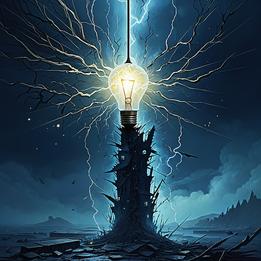
Shatter
Represents sudden, irreversible breakdown of structures, beliefs, or states of being, often signaling transformation through destruction.
Shatter Dream Meaning
Represents sudden, irreversible breakdown of structures, beliefs, or states of being, often signaling transformation through destruction.
Interpretive Themes
Cultural Lenses
Jungian Perspective
View Context →Represents disintegration of persona, necessary for individuation. The shattering of conscious attitudes allows unconscious contents to emerge, facilitating psychic wholeness through destruction of old structures.
Freudian Perspective
View Context →Symbolizes breakthrough of repressed material, often sexual or aggressive impulses. The shattering represents the id breaking through ego defenses, with fragments representing displaced desires.
Gestalt Perspective
View Context →Represents unfinished business becoming overwhelming. The shattering indicates a figure/ground reversal where background tensions suddenly dominate awareness, requiring immediate attention to fragmented parts.
Cognitive Perspective
View Context →Indicates catastrophic thinking patterns or schema disruption. The brain processes overwhelming information through fragmentation metaphors, representing cognitive overload or belief system collapse.
Evolutionary Perspective
View Context →Rooted in predator attacks or environmental disasters. The shattering response activates survival mechanisms, preparing for fight-or-flight when protective structures fail suddenly.
East Asian Perspective
View Context →In Taoist and Buddhist traditions, represents impermanence (anicca) and the breaking of attachments. The shattered object reveals emptiness (sunyata), with fragments representing interconnectedness of all things.
South Asian Perspective
View Context →In Hindu philosophy, represents Maya (illusion) breaking to reveal Brahman (ultimate reality). The shattering of worldly attachments leads to moksha (liberation), with fragments as lila (divine play).
Middle Eastern Perspective
View Context →In Islamic and pre-Islamic traditions, represents divine intervention breaking human arrogance (kibr). The shattered idol symbolizes tawhid (divine unity), with fragments as reminders of human fragility.
European Perspective
View Context →In Celtic and Norse traditions, represents ritual destruction for renewal. The shattered cauldron or weapon signifies transformation cycles, with fragments used in divination or protective magic.
African Perspective
View Context →In many traditions, represents breaking of curses or negative energy. The shattered object releases trapped forces, with fragments often buried or disposed ritually to prevent reassembly of harmful patterns.
Latin American Perspective
View Context →In Mesoamerican and contemporary traditions, represents breaking of colonial or oppressive structures. The shattered monument or symbol signifies cultural reclamation, with fragments used in altar construction.
Modern Western Perspective
View Context →Represents mental health breakdowns or societal collapse anxieties. The shattering metaphor describes burnout, trauma responses, or digital overload, with therapy focusing on reassembling fragments.
Want a deeper analysis?
Get a personalized interpretation of your entire dream including this symbol.
Interpret My DreamCommon Appearances & Contexts
| Context | Emotion | Interpretation |
|---|---|---|
| Context Mirror shattering | Emotion Fear | Interpretation Self-image crisis |
| Context Glass ceiling breaking | Emotion Liberation | Interpretation Breaking limitations |
| Context Bone shattering | Emotion Pain | Interpretation Structural collapse |
| Context Ice shattering | Emotion Release | Interpretation Emotional thawing |
| Context Earthquake cracking ground | Emotion Terror | Interpretation Foundation destroyed |
| Context Crystal vase breaking | Emotion Grief | Interpretation Beauty destroyed |
| Context Armor shattering | Emotion Vulnerability | Interpretation Defenses removed |
| Context Light bulb exploding | Emotion Shock | Interpretation Sudden insight |
| Context Dam breaking | Emotion Overwhelm | Interpretation Containment failure |
| Context Eggshell cracking | Emotion Anticipation | Interpretation New beginning |
| Context Chain links breaking | Emotion Freedom | Interpretation Bondage ended |
| Context Skull fracturing | Emotion Horror | Interpretation Mind breaking |
Interpret Your Full Dream
Beyond this symbol, every dream carries a unique story. Share your dream for a personalized AI-powered interpretation.