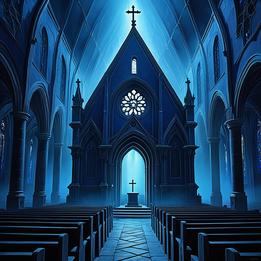
Renaissance Chapel
A Renaissance chapel signifies a revival of arts and spirituality, embodying both beauty and devotion.
Renaissance Chapel Dream Meaning
A Renaissance chapel signifies a revival of arts and spirituality, embodying both beauty and devotion.
Interpretive Themes
Artistic Expression
highRenaissance chapels are masterpieces showcasing the integration of art and faith.
Spiritual Renewal
highThese spaces highlight a period of intense faith exploration and reformation.
Creativity
mediumRenaissance chapels feature innovative designs that continue to inspire architects.
Illumination
highChapels symbolize the blend of ancient wisdom with modern spirituality.
Adaptability
mediumThese spaces often serve as venues for collective worship and cultural events.
Mythological Resonance
The Sistine Chapel
ChristianMichelangelo's ceiling frescoes transformed a papal chapel into a monumental testament to divine creation and human genius, bridging heaven and earth through art.
The Parthenon
GreekThough a temple, its classical rebirth during the Renaissance inspired chapels that sought to harmonize mathematical perfection with spiritual aspiration, echoing Athena's wisdom.
Cultural Lenses
European Perspective
View Context →Home to some of the most renowned chapels, such as the Sistine Chapel. Host to significant religious and cultural events. [Italian] Italian Renaissance chapels often feature frescoes by famous artists.
Latin American Perspective
View Context →Spanish colonial chapels served as centers of cultural exchange. Often played essential roles in social gatherings and festivities. [Hispanic] These chapels reflect a blend of indigenous and European artistic traditions.
Jungian Perspective
View Context →Symbolizes the journey of individuation through creative expression. Represents personal spiritual journeys. Jungian perspectives view chapels as sacred spaces where consciousness and creativity intersect.
Historical Authorities
Want a deeper analysis?
Get a personalized interpretation of your entire dream including this symbol.
Interpret My DreamThe Oracle's Prediction
Combine multiple symbolsA profound artistic or spiritual inspiration will emerge, leading to personal renewal.
Timeframe
Seasonal (~3 Months)
Intensity
Deep
Recognition for creative or intellectual work that blends tradition with innovation.
Timeframe
Lunation (~29 Days)
Intensity
Deep
Common Appearances & Contexts
| Context | Emotion | Interpretation |
|---|---|---|
| Context Attending a service in a chapel | Emotion Joy | Interpretation Indicates a sense of belonging and community in spiritual practices. |
| Context Seeing a beautifully painted chapel | Emotion Awe | Interpretation Reflects appreciation for the beauty and creativity in spirituality. |
| Context Exploring a hidden chapel | Emotion Curiosity | Interpretation Signifies a quest for new spiritual insights or personal discovery. |
| Context Listening to music in a chapel | Emotion Euphoria | Interpretation Symbolizes the power of music in connecting with the divine. |
| Context Renovating a chapel | Emotion Fulfillment | Interpretation Represents personal growth and the desire to contribute to one's community. |
| Context Witnessing a wedding in the chapel | Emotion Nostalgia | Interpretation Indicates desires for love and sacred connections in life. |
| Context Being lost in a large chapel | Emotion Confusion | Interpretation Could reflect feelings of being overwhelmed by spiritual choices. |
| Context Praying alone in a chapel | Emotion Introspection | Interpretation Indicates a search for personal meaning and connection with higher powers. |
| Context Viewing stained glass in a chapel | Emotion Admiration | Interpretation Symbolizes appreciation for the narratives conveyed through visual art. |
| Context Participating in a pilgrimage to a chapel | Emotion Anticipation | Interpretation Represents a journey toward spiritual understanding and connection. |
| Context Hearing echoes in an empty chapel | Emotion Melancholy | Interpretation Could signify feelings of loneliness or loss of faith. |
| Context Creating art inside a chapel | Emotion Creative energy | Interpretation Represents the merging of individual expression with communal spirituality. |
Interpret Your Full Dream
Beyond this symbol, every dream carries a unique story. Share your dream for a personalized AI-powered interpretation.