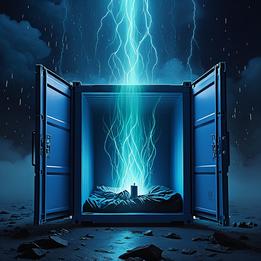
Receptacle
A container that holds, receives, or stores something, often symbolizing the capacity to accept, contain, or process experiences, emotions, or resources.
Receptacle Dream Meaning
A container that holds, receives, or stores something, often symbolizing the capacity to accept, contain, or process experiences, emotions, or resources.
Interpretive Themes
Cultural Lenses
Jungian Perspective
View Context →Represents the feminine principle, the womb, or the containing Self. Symbolizes the psyche's capacity to hold opposites and facilitate individuation through integration of unconscious contents.
Freudian Perspective
View Context →Often symbolizes female genitalia or womb, representing sexual desires, birth fantasies, or maternal longings. Empty receptacles may indicate castration anxiety or unfulfilled wishes.
Gestalt Perspective
View Context →Represents the dreamer's ability to contain experiences. The receptacle's condition reflects how one processes life events—whether openly receiving or rigidly restricting incoming stimuli.
Cognitive Perspective
View Context →Metaphor for memory storage or information processing systems. Reflects how the mind organizes, retains, or discards experiences and knowledge during sleep consolidation.
Evolutionary Perspective
View Context →Rooted in survival needs for food/water storage and safe containment. Symbolizes resource management instincts and protective behaviors essential for individual and group survival.
East Asian Perspective
View Context →In Chinese tradition, represents the concept of 'xu' (emptiness) as potential. Vessels like bronze dings symbolized state power, while tea bowls embodied spiritual receptivity in Zen practice.
South Asian Perspective
View Context →In Hinduism, the kalasha (pot) symbolizes abundance and the womb of creation. In Buddhism, the begging bowl represents humility and dependence on community for sustenance.
Middle Eastern Perspective
View Context →Ancient Mesopotamian vessels held offerings to gods. In Islamic tradition, water vessels symbolize purity and spiritual receptivity, while empty containers may represent spiritual longing.
European Perspective
View Context →Medieval reliquaries held sacred remains, while Renaissance urns symbolized mortality. Celtic cauldrons represented transformation and rebirth in mythological cycles.
African Perspective
View Context →Across cultures, vessels like Yoruba pots contain ancestral spirits, while Masai gourds hold life-sustaining milk. Containers often mediate between human and spiritual realms.
Latin American Perspective
View Context →Pre-Columbian vessels held ceremonial substances. In modern contexts, piñatas represent joyful receptacles, while Day of the Dead offerings use containers for ancestral communication.
Global/Universal Perspective
View Context →Found in all cultures as fundamental human technology. Universally represents containment, preservation, and the human need to organize, protect, and transform what we value.
Want a deeper analysis?
Get a personalized interpretation of your entire dream including this symbol.
Interpret My DreamCommon Appearances & Contexts
| Context | Emotion | Interpretation |
|---|---|---|
| Context Overflowing receptacle | Emotion Overwhelm | Interpretation Emotional capacity exceeded. |
| Context Empty receptacle | Emotion Longing | Interpretation Desire to be filled. |
| Context Broken receptacle | Emotion Loss | Interpretation Failed containment. |
| Context Gifting receptacle | Emotion Hope | Interpretation Offering acceptance. |
| Context Searching for receptacle | Emotion Anxiety | Interpretation Need for containment. |
| Context Cleaning receptacle | Emotion Renewal | Interpretation Emotional cleansing. |
| Context Hiding receptacle | Emotion Secrecy | Interpretation Concealing contents. |
| Context Sacred receptacle | Emotion Awe | Interpretation Divine container. |
| Context Multiple receptacles | Emotion Confusion | Interpretation Divided capacity. |
| Context Ancient receptacle | Emotion Nostalgia | Interpretation Past containment. |
| Context Transparent receptacle | Emotion Exposure | Interpretation Visible contents. |
| Context Locked receptacle | Emotion Frustration | Interpretation Inaccessible contents. |
Interpret Your Full Dream
Beyond this symbol, every dream carries a unique story. Share your dream for a personalized AI-powered interpretation.